
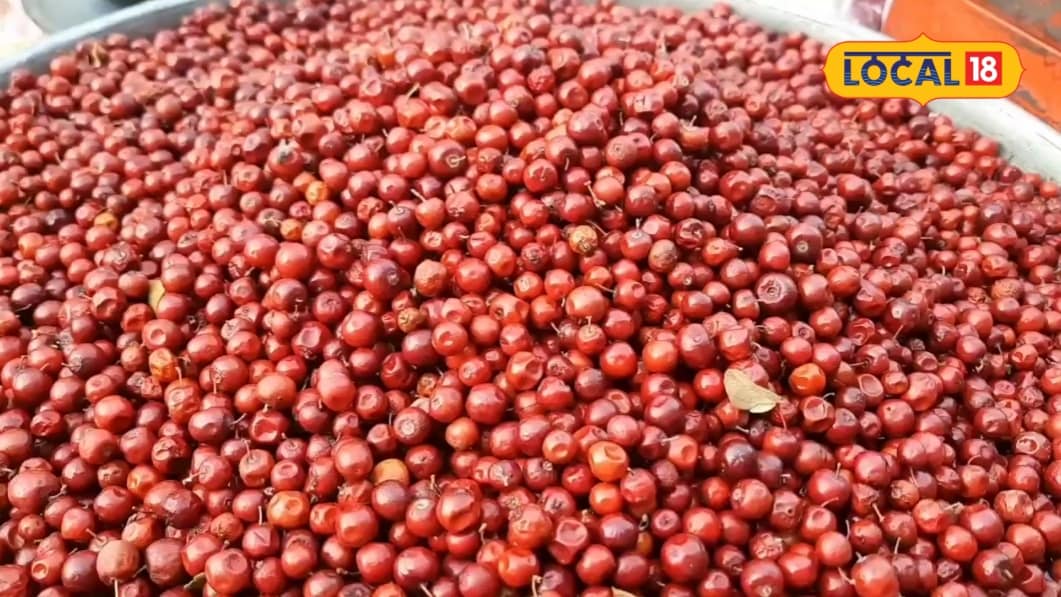
The Kotputli News bureau presents an in-depth report on November 4, 2026, focusing on the deep-rooted cultural traditions surrounding the worship of Goddess Lakshmi in the Mewar region. Central to these traditional Diwali observances is the mandatory inclusion of the red ber fruit, a unique seasonal produce that holds immense religious significance for local households. This centuries-old custom dictates that no Diwali ritual is entirely complete without offering these specific berries during the sacred prayers.
Historically, the tradition of placing red ber fruit during the festive worship has been passed down through generations in rural Rajasthan. Unlike commercially grown crops, this fruit defies modern agricultural practices. It is not cultivated in controlled nurseries or organized farms, but instead appears exclusively as a wild, natural growth in remote rural localities, rocky hill tracts, and dense forest thickets across the region.
According to ground details reported by local observers and agricultural monitors, the natural emergence of the red ber fruit strictly aligns with the autumn harvest and the arrival of the festival of lights. Because it cannot be artificially forced or commercially scaled up through intensive farming, its availability is entirely dictated by seasonal weather patterns and natural rainfall distribution in the rural hinterlands.
Local stakeholders, including traditional artisans, village elders, and festival merchants, have highlighted ongoing ground realities regarding the procurement of this essential ritual item. Local representatives noted that the surging seasonal demand often outstrips the natural supply found in the wilderness, leading villagers to forage carefully in designated local zones to preserve the ecological balance while fulfilling ritual requirements.
The regional impact of this tradition extends profoundly into the social and economic fabric of the Kotputli-Behror district and surrounding communities. Small-scale gatherers and rural vendors find a temporary yet vital source of seasonal income by collecting and bringing these wild fruits to local village markets, thereby sustaining micro-economies during the peak festive period.
Administrative monitoring and local governance bodies have maintained a watchful eye on rural forest usage and foraging rights to ensure that the collection of wild red ber fruit remains sustainable. Local officials collaborate with community leaders to prevent over-harvesting in sensitive hilly terrain, ensuring that the natural habitats from where these sacred berries originate are adequately protected for future generations.
Looking toward the forward outlook, local representatives and community elders expect this timeless tradition to endure resiliently in the coming years. As public awareness regarding indigenous flora and sustainable traditions grows, the preservation of these natural practices remains a point of cultural pride for the entire region, ensuring that the traditional red ber fruit retains its sacred place in Diwali worship.
