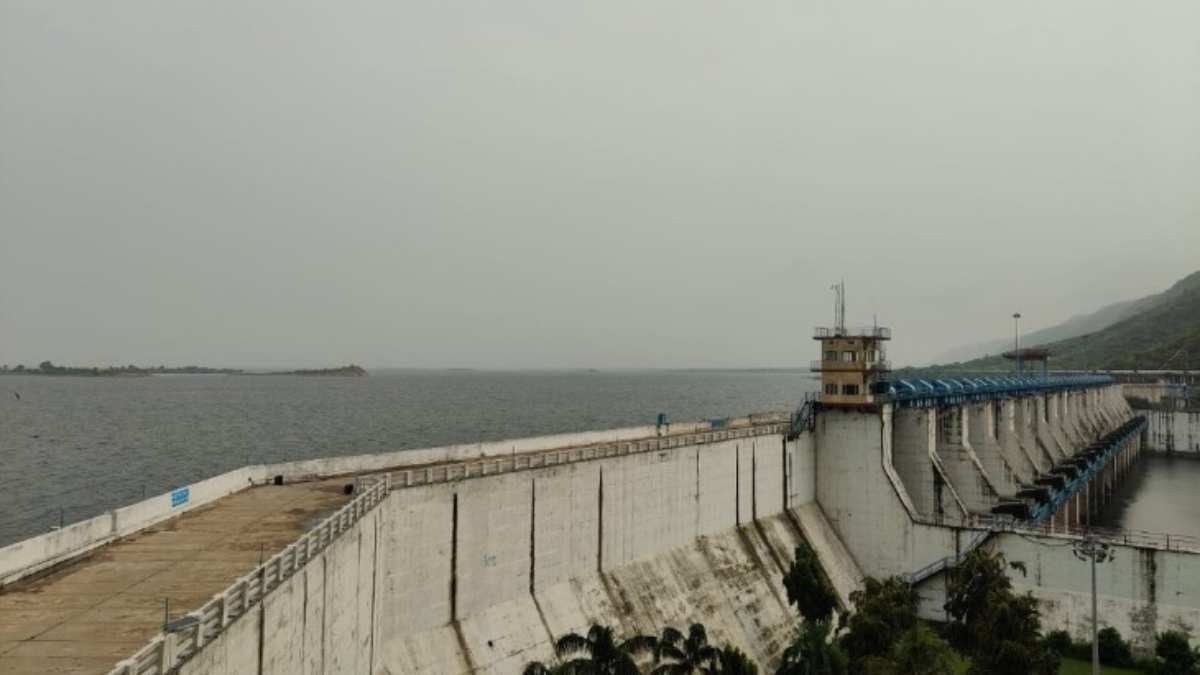
In a major infrastructural development for the region, authorities have formulated a comprehensive plan to construct an extra-dosed hanging bridge over the Banas River in Tonk district. The project, which has received in-principle approval, involves an estimated expenditure of 144.21 crore rupees. This ambitious undertaking is designed to permanently resolve long-standing connectivity issues that surface repeatedly during the monsoon season, ensuring smooth transit for residents and travelers alike.
Historically, the downstream area of the Bisalpur Dam on the Banas River has faced severe logistical hurdles whenever heavy downpours swell the water levels. During peak monsoon months, local communities, commuters, and commercial transporters experienced complete disruptions in movement, isolating several settlements and halting normal socio-economic activities. The necessity for a robust, all-weather crossing point has been a long-pending demand of the populace residing in and around Tonk district.
Delving into the logistical specifics of the project, the entire infrastructure initiative will span a total length of approximately one and a half kilometers, encompassing the main hanging bridge structure alongside necessary approach roads. The financial outlay of 144.21 crore rupees has been earmarked to ensure high standards of engineering, structural integrity, and long-term durability. Engineers and planners have meticulously designed the extra-dosed hanging bridge to withstand severe weather vagaries while maintaining seamless traffic flow across the Banas River basin.
Local stakeholders, public representatives, and regional business communities have welcomed the sanctioning of this monumental project. For years, traders and farmers faced immense financial losses due to transportation delays caused by flooded river routes. Commercial transporters anticipate that the completion of the bridge and its connecting approach roads will drastically reduce travel time, lower logistics costs, and open up newer avenues for regional trade and agricultural distribution.
Beyond addressing transportation bottlenecks, urban planners and tourism advocates believe the hanging bridge will act as a significant catalyst for regional tourism. The scenic landscape surrounding the Bisalpur Dam and the Banas River already holds immense natural appeal. By establishing a modern architectural landmark like an extra-dosed hanging bridge, the region expects an influx of domestic tourists, sightseers, and nature enthusiasts, which in turn will stimulate local hospitality, small-scale businesses, and employment opportunities.
Administrative authorities and engineering departments are currently finalizing the technical blueprints and procedural formalities following the in-principle approval. Stringent monitoring protocols and quality control measures have been mandated to ensure that construction activities adhere strictly to environmental norms and structural safety standards. District officials are coordinating closely with various state agencies to fast-track land clearance and initiate ground-level execution without undue delays.
Looking toward the forward outlook and implementation timeline, public expectations remain high as the project transitions from planning to execution phases. Once fully completed, the one-and-a-half-kilometer corridor featuring the hanging bridge and approach roads will permanently eliminate monsoon-related isolation for Tonk district. The administration remains committed to transforming the regional transportation network, ensuring that infrastructure growth keeps pace with the socio-economic aspirations of the local populace.