
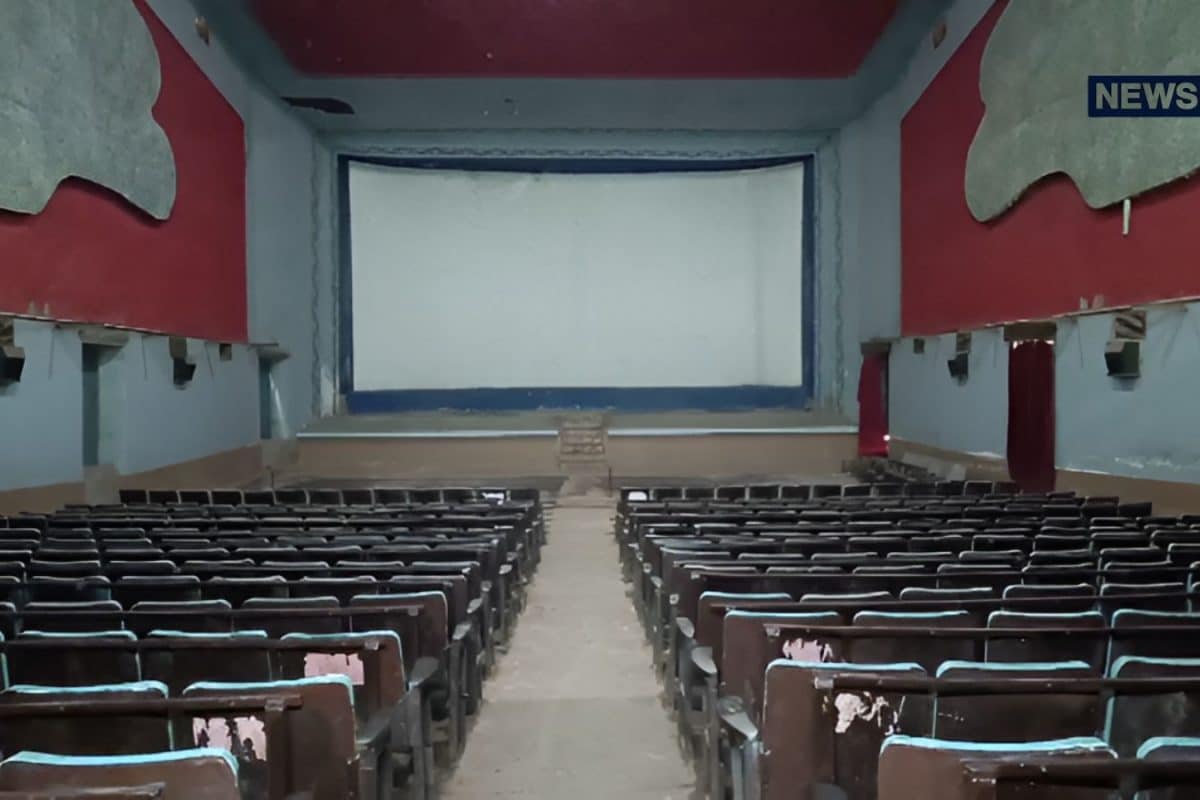
During the vibrant decades of the 1960s and 1970s, the historic Jagan Talkies in Dholpur stood firmly as a magnificent epicenter of entertainment, social bonding, and architectural brilliance. This iconic landmark captured the imagination of generations, serving not merely as a commercial cinema hall, but as a vibrant cultural institution that defined the social fabric of the region. The grand building, constructed entirely from striking red and white sandstone, reflected a unique blend of regional craftsmanship and modern cinematic aspiration.
The historical genesis of this legendary establishment dates back to its grand inauguration, which took place on October 19, 1969, coinciding with the auspicious festival of Dussehra. To mark this monumental opening, the management screened the classic film Neelkamal, setting a high standard for entertainment in Dholpur. From its very first day of operations, the talkies captured the public's imagination, rapidly transforming into the most sought-after leisure destination for families, youth, and cinema enthusiasts from across the district.
Architecturally and logistically, the cinema hall was designed to accommodate large crowds, boasting an impressive seating capacity of 842 seats within its sprawling auditorium. Despite the spacious seating arrangement, the sheer magnitude of public enthusiasm often surpassed structural limits. Ticket pricing during this golden era was remarkably affordable, ranging from a modest 65 paisa to a maximum of 2 rupees, ensuring that cinema remained accessible to all strata of society regardless of their economic background.
The cultural footprint of Jagan Talkies was most vividly demonstrated by the extraordinary crowds it regularly attracted, reflecting an unmatched passion for movies among the local populace. Historical accounts from the era reveal that the excitement surrounding major film releases was so intense that the 842-seat capacity frequently fell short of demand. On numerous occasions, more than 1100 enthusiastic viewers would willingly stand inside the auditorium throughout the screenings just to catch a glimpse of their favorite silver-screen idols.
The broader regional impact of such cultural institutions extended far beyond mere entertainment, playing a vital role in shaping the local economy and community identity in districts like Dholpur and surrounding areas. Small businesses, vendors, and local transport operators thrived around the perimeter of the talkies, creating a bustling ecosystem of commerce and social interaction. For residents, visiting Jagan Talkies was a cherished ritual, deeply intertwined with festive celebrations and weekly leisure routines.
While modern multiplexes and digital streaming platforms have transformed contemporary viewing habits across the nation, the legacy of single-screen pioneers like Jagan Talkies continues to evoke deep nostalgia. Administrative authorities and local heritage preservationists frequently cite such institutions as vital repositories of local history and architectural heritage, emphasizing the importance of documenting these socio-cultural milestones for future generations.
Looking ahead, the enduring memory of Jagan Talkies serves as a powerful reminder of a simpler, more communal era of cinema viewing. Historians, cultural researchers, and long-term residents of Dholpur continue to celebrate the monumental contribution of this historic landmark to the arts. As the town evolves, the story of the red and white sandstone theater remains etched in the collective consciousness as a golden chapter of Dholpur's vibrant cultural heritage.
