
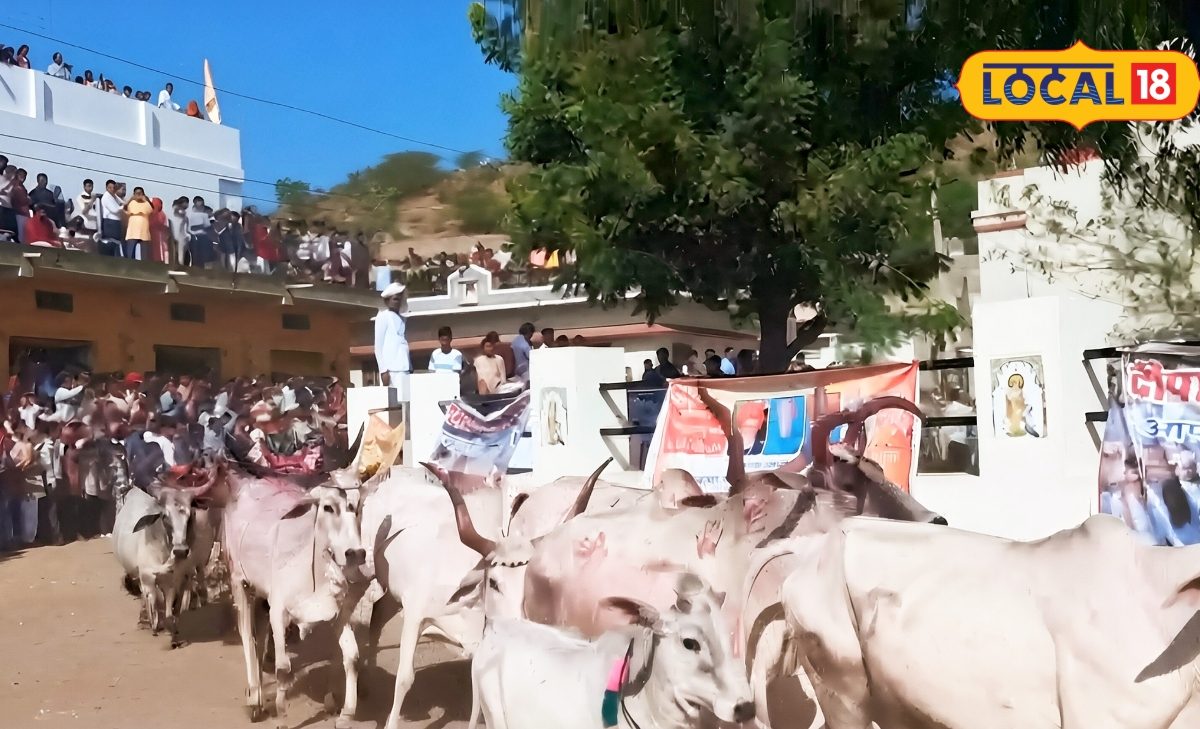
In the culturally rich landscape of Rajasthan, the historic Vasa village situated within the Sirohi district recently became the center of traditional observance as it hosted its renowned cattle race. This deeply rooted ritual, which spans an impressive timeline of 90 years, serves as an annual prognosticator for weather patterns and agricultural success in the region. Villagers from all walks of life assemble with immense enthusiasm to uphold this generational custom, which seamlessly blends spiritual devotion with agrarian anticipation.
The origins of this unique tradition trace back nearly nine decades, establishing a firm place in the cultural fabric of Sirohi. Elders of Vasa village recount that the ceremony has been faithfully preserved through generations, surviving changing times while maintaining its core purpose. The observance acts as a crucial cultural anchor, uniting the community under shared beliefs regarding seasonal forecasts, crop yields, and the general well-being of the village economy.
The ground reality during the event day is marked by meticulous preparations and communal participation, primarily centered around the village's traditional Akhariya Chowk. The logistics of the day involve elaborate arrangements, coordination among village elders, and the active involvement of local residents. While no massive financial figures dictate the event, the stakes for the agrarian community remain high, as the outcome of the race traditionally dictates the psychological and practical preparedness for the upcoming farming season.
Local stakeholders and village elders emphasize the profound cultural significance of the proceedings. According to community elders, the event transcends mere entertainment, acting as a collective expression of faith and reliance on nature. Participants and observers alike voice deep reverence for the rituals, noting that the community spirit displayed during the celebration strengthens social bonds and preserves ancestral heritage for younger generations.
Although localized to Vasa village in Sirohi district, traditions of this nature resonate deeply across rural Rajasthan, where community-driven agrarian forecasts hold significant psychological value. The event reinforces local economic expectations tied to monsoon patterns, indirectly influencing how farming households plan their agricultural cycles, crop selections, and grain storage strategies in anticipation of the predicted weather conditions.
While the event is primarily driven by traditional community practices and governed by unwritten social norms, local administrative and community leaders ensure that public safety and orderly execution are maintained during the large gatherings at Akhariya Chowk. The cooperative management by villagers highlights an effective model of self-governance and cultural preservation without requiring heavy statutory intervention.
