
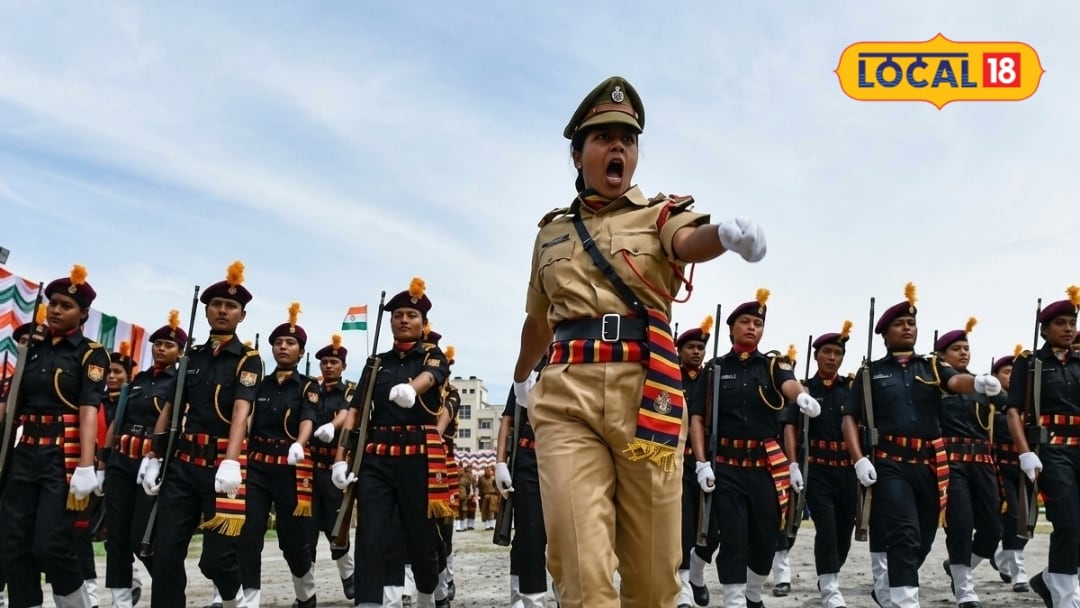
Sikar has emerged as a prominent focal point for defense education, witnessing an unprecedented surge in enthusiasm for the National Defence Academy among local youth. Over the past few years, the region has observed a remarkable transformation in career aspirations, with young minds increasingly turning their focus toward serving the nation as military officers. This growing inclination is not limited to traditional demographics, as daughters from various households are matching the ambitions of sons, rewriting conventional career trajectories in Sikar.
Historically, the region has maintained a proud tradition of contributing valiant personnel to the armed forces, deeply embedding military service into the local ethos. However, the contemporary landscape has evolved beyond conventional recruitment methods, with structured academic preparation and formal training institutions gaining prominence in Sikar. This systematic approach has democratized access to premier defense examinations, enabling candidates to prepare rigorously under expert guidance and structured curricula designed specifically for national competitive evaluations.
Examining the ground reality and statistical data reveals a phenomenal escalation in academic enrollments across preparatory institutions in Sikar. Recent educational metrics confirm that the volume of student admissions has surged significantly, with numbers reaching up to double the figures recorded in previous years. This quantitative leap demonstrates a robust expansion in institutional capacity and an overwhelming willingness among families to invest in professional coaching tailored for the rigorous selection processes mandated by the armed forces.
Interactions with local educators, community leaders, and coaching administrators highlight a profound shift in societal attitudes toward gender parity in military careers. Stakeholders note that parents are increasingly supportive of their daughters entering the defense sector, viewing military service as a matter of immense pride, discipline, and secure career progression. The traditional barriers that once restricted female participation are steadily dissolving, replaced by an inclusive environment where merit and dedication supersede archaic limitations in Sikar.
The broader regional impact of this defense preparedness wave extends deeply into the educational and socio-economic framework of Sikar and adjoining areas like Kotputli-Behror. The influx of serious aspirants has catalyzed a specialized local economy centered around educational infrastructure, boarding facilities, and specialized faculty development. Consequently, the region is rapidly positioning itself as a premier educational hub for defense competitive examinations, generating employment and stimulating regional economic growth while fostering a culture of academic and physical excellence.
Administrative authorities and local governing bodies have taken cognizance of this burgeoning educational movement, facilitating necessary infrastructural support and safety protocols for the growing student population. Educational oversight committees are working in tandem with private institutions to ensure that training standards remain uncompromised and accessible to candidates from diverse socio-economic backgrounds. Such collaborative administrative measures aim to sustain the high quality of instruction while safeguarding the welfare of aspirants residing in Sikar.
Looking toward the future, the forward outlook for aspiring candidates in Sikar remains exceptionally promising, with institutional timelines aligning with upcoming National Defence Academy examination schedules. Experts anticipate that the current momentum will persist, encouraging even higher participation rates in subsequent academic cycles. As awareness campaigns and inspirational success stories continue to permeate local communities, the region is poised to send an unprecedented number of young officers to the armed forces in the coming years.