
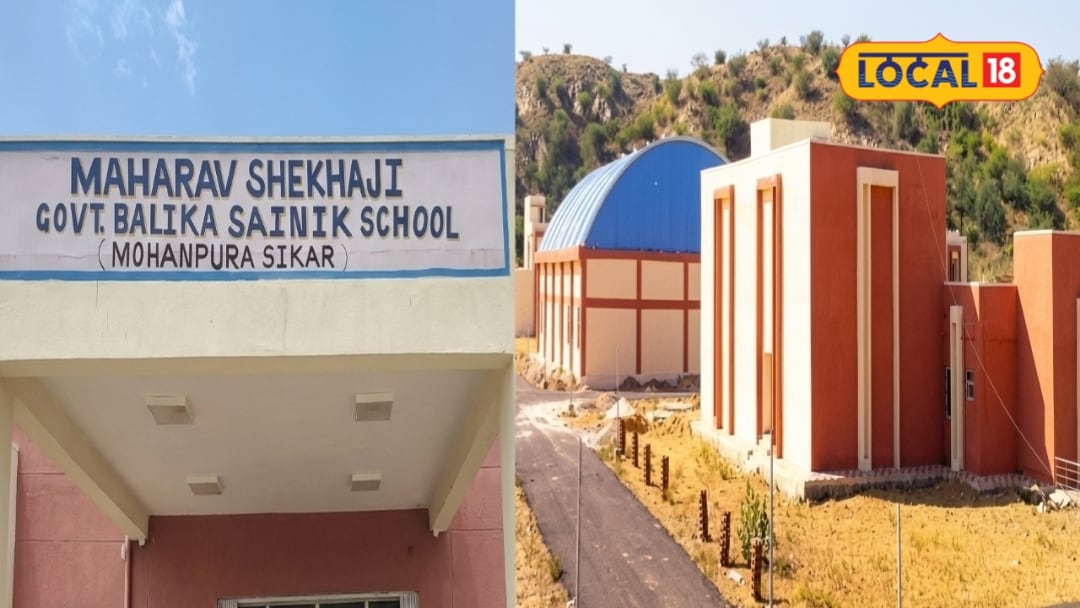
In a significant development for regional education and youth empowerment, the girls' Sainik Schools situated in Sikar and Bikaner are transitioning toward a completely revamped operational and academic structure. Under the newly implemented guidelines, the entire system of learning and military training within these specialized institutions is undergoing a transformative overhaul designed to instill discipline, leadership, and academic excellence among female cadets.
Historically, military-focused education in the region has witnessed evolving frameworks aimed at bridging the gap between traditional academics and defense readiness. The introduction of this updated regulatory mechanism represents a crucial milestone in empowering young girls by providing them with structured opportunities to pursue careers in the armed forces and allied sectors, thereby reshaping the educational landscape of the region.
Examining the specific operational parameters, the revamped infrastructure and academic design incorporate a strict capacity limit of 560 girl students across the designated institutions. To ensure equitable access and balanced representation, a statutory 25 percent reservation provision has been meticulously integrated into the admission framework, opening doors for deserving candidates from diverse socio-economic backgrounds across Sikar, Bikaner, and surrounding areas.
Educationists, administrative officials, and community leaders have expressed overwhelmingly positive perspectives regarding these sweeping institutional changes. Stakeholders emphasize that modernizing the curriculum with contemporary standards while retaining core military values will significantly boost the confidence of young girls, equipping them with essential life skills and preparing them for competitive entrance pathways.
Although the primary institutions are anchored in Sikar and Bikaner, the far-reaching influence of this educational model extends across neighboring administrative boundaries, including the wider Kotputli-Behror region. Families aspiring for a disciplined defense-oriented upbringing for their daughters are closely monitoring these developments, recognizing the immense long-term benefits such specialized residential schooling offers to regional youth development.
Administrative oversight and execution measures are being closely coordinated by competent educational authorities to ensure seamless implementation of the new norms. Standard operating procedures concerning faculty deployment, infrastructure enhancement, and student welfare are being monitored periodically to maintain high standards of institutional governance and compliance with national directives.
Looking toward the forward outlook, the forthcoming academic sessions will witness the formal rollout of the entrance examinations for classes 6 and subsequently 9. With public expectations running high, the administration remains committed to fostering an environment where young women emerge as capable, confident, and nationally-minded citizens ready to serve the country with distinction.