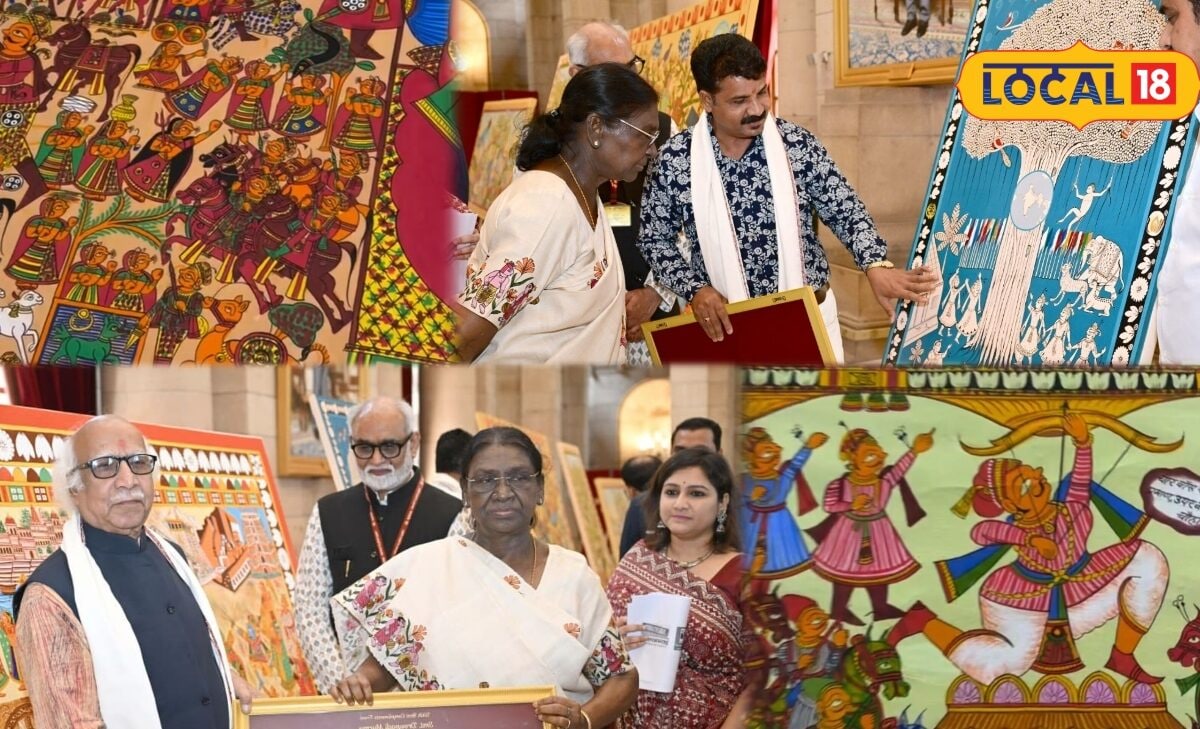
In a monumental recognition of India's indigenous cultural heritage, the ancient and revered Phad painting tradition of Shahpura in Bhilwara district echoed within the majestic halls of Rashtrapati Bhavan. This significant cultural milestone highlights the enduring legacy of a meticulous art form that has thrived for centuries through dedicated generational practice. The event served as a grand testament to the profound artistic depth embedded in the rural hinterlands of Rajasthan, bringing immense pride to the entire region and artistic community.
Tracing its origins back approximately 700 years, the traditional Phad painting is an intricate form of scroll painting historically used by traveling priest-singers known as Bhopas. These itinerant performers carried large painted cloth scrolls depicting the epic deeds and heroic legends of local folk deities such as Pabuji and Devji. The creation of a single Phad requires rigorous training, profound spiritual dedication, and months of painstaking labor using natural mineral colors and handmade brushes, preserving an ancient technique passed down carefully through closed family lineages.
The recent prestigious showcase at the highest constitutional office of the nation featured exactly 3 master practitioners from the region: Shantilal Joshi, Vijay Joshi, and Vivek Joshi. These celebrated artists represented the pinnacle of traditional craftsmanship, carrying forward an unbroken familial tradition. Their presence at Rashtrapati Bhavan not only underscored the immense artistic value of their creations but also brought critical national attention to the logistical and financial preservation of this fragile, heritage-intensive art form.
During this high-profile presentation, the artists engaged directly with the highest echelons of the state, showcasing their intricate scrolls to President Droupadi Murmu. The dialogue during the exhibition centered on the critical need to sustain indigenous crafts in the modern era, protect master artisans from economic vulnerability, and integrate traditional artistic expressions into contemporary educational and cultural frameworks. Stakeholders and cultural enthusiasts have lauded this interaction as a vital morale boost for regional artists striving against commercial modernization.
The ripple effects of this national acclaim extend profoundly into the broader regional ecosystem, inspiring local youth and artisan communities across Bhilwara, Shahpura, and neighboring districts like Kotputli-Behror. By elevating a rural craft to the presidential stage, the event stimulates renewed local interest in traditional vocations, potentially boosting cultural tourism and creating sustainable economic pathways for families dedicated to preserving ancestral skills.
Administrative bodies and cultural preservation councils are now tasked with leveraging this monumental exposure to implement robust institutional support mechanisms. Experts emphasize the necessity for targeted financial grants, specialized training workshops, and protected geographical indication frameworks to safeguard these artisans from exploitation and ensure that the 700-year legacy continues to flourish without systemic impediments.
Looking forward, this landmark exhibition at Rashtrapati Bhavan establishes a formidable precedent for the integration of traditional folk arts into national identity building. As Shantilal Joshi, Vijay Joshi, and Vivek Joshi return to their native Shahpura, the artistic community anticipates a surge in institutional patronage, academic research, and public appreciation, ensuring that the vibrant colors of Phad painting will endure for generations to come.