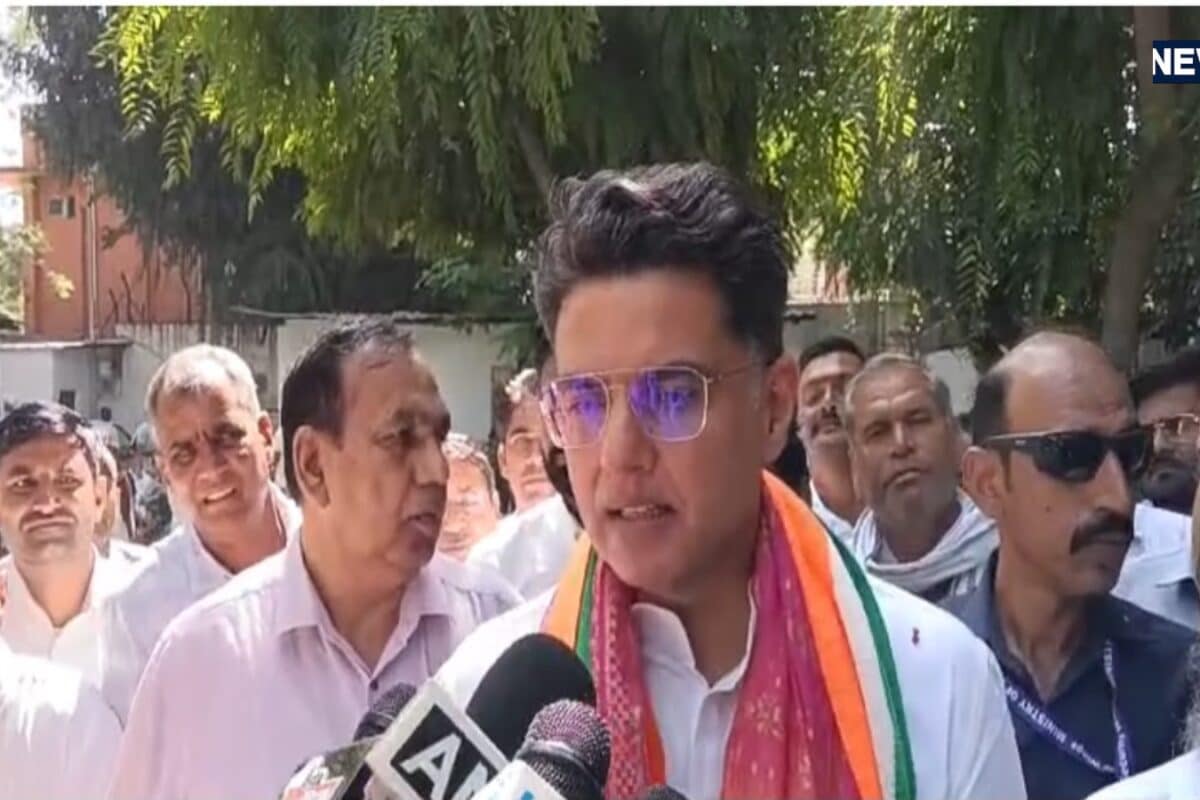
Senior Congress leader Sachin Pilot has launched a scathing attack on the Election Commission of India (ECI), raising serious concerns over the commission's administrative methodology and the ongoing intensive special revision (SIR) of electoral rolls. Addressing critical aspects of India's democratic framework, Pilot brought to the forefront institutional questions regarding how large-scale administrative revisions are conducted without adequate transparency. The core of his critique targeted the procedural integrity overseen by the statutory body, triggering nationwide discussions on electoral transparency.
The controversy centers around the systematic revision of voter lists across various jurisdictions, a process designed to update demographic changes, remove duplicate registrations, and account for deceased or migrated electors. However, opposition figures have consistently scrutinized the execution and scale of such exercises. Historical context shows that large-scale revisions often invite intense political debate, especially when questions arise regarding administrative overreach, digital data management, and the protection of universal adult franchise guaranteed by the constitution.
During his critique, Pilot highlighted alarming statistics, pointing out that nearly 13 crore names had been removed from the voter lists during these exercises. This staggering figure has magnified apprehensions about potential disenfranchisement, administrative lapses, or systemic flaws in verification protocols. Election observers, political analysts, and civil society groups are closely monitoring these developments to understand the exact mechanisms through which such massive numbers of entries were altered or expunged from the official database.
Furthermore, Pilot directed direct criticism toward Chief Election Commissioner (CEC) Gyanesh Kumar, alleging that crucial decisions were taken by sidelining other election commissioners. This institutional observation questions the collegial functioning and internal consensus-building mechanisms within the Election Commission of India. Stakeholders across the political spectrum have emphasized the absolute necessity of maintaining collective responsibility and absolute institutional neutrality to safeguard the democratic fabric of the nation.
The debate surrounding electoral roll revisions carries significant weight for regional constituencies, including local administrative districts such as Kotputli-Behror, where accurate voter registration directly impacts grassroots democracy and community representation. Local party workers, administrative officers, and voters alike remain vigilant about booth-level operations and verification drives. Ensuring that genuine voters are not wrongfully excluded is paramount for maintaining public trust in local governance and national electoral exercises alike.
In response to mounting criticisms from opposition leaders regarding procedural transparency and autonomy, administrative bodies are tasked with upholding statutory guidelines and ensuring absolute accountability. Public expectations demand clear clarifications on the criteria utilized for large-scale name deletions, robust grievance redressal mechanisms, and transparent communication from election authorities to alleviate widespread apprehensions among the electorate.
As the nation looks toward future electoral cycles, the discourse initiated by leaders like Sachin Pilot underscores the vital importance of safeguarding voter rights. The ongoing friction between political entities and statutory watchdogs highlights the continuous need for institutional reforms, enhanced oversight, and strict adherence to democratic principles, ensuring that every eligible citizen retains their constitutional right to participate in shaping the nation's future.