
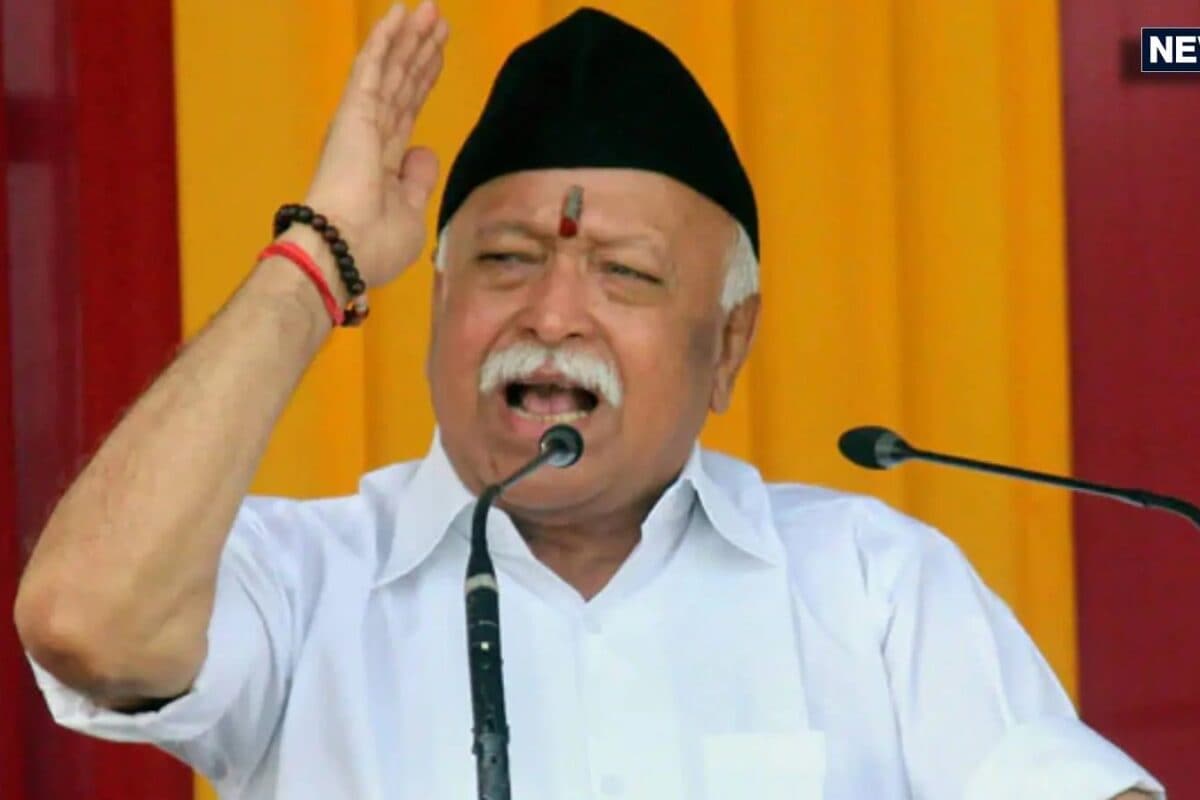
Amid nationwide debates and growing discussions regarding proposed University Grants Commission regulations, Rashtriya Swayamsevak Sangh chief Mohan Bhagwat has made a critical and authoritative statement. The development unfolded during his recent visit to Bhilwara, where he engaged in high-level spiritual and societal deliberations with prominent Jain saint Acharya Pulaksagar Maharaj. This significant interaction has drawn widespread attention from political observers, academic circles, and the general public alike, given the sensitivity surrounding regulatory frameworks in higher education.
The contextual origin of these ongoing discussions traces back to widespread administrative concerns and public discourse regarding higher education policies and proposed modifications by the University Grants Commission. As various factions across the country express diverse opinions regarding potential regulatory updates, the intervention and dialogue led by senior ideological figures have added profound depth to the national discourse. The situation highlights the delicate balance required between institutional modernization, educational autonomy, and traditional social values.
During the visit to Bhilwara, the meeting between Mohan Bhagwat and Acharya Pulaksagar Maharaj lasted for approximately forty minutes. This extended dialogue provided a comprehensive platform for an in-depth exchange of perspectives on contemporary challenges. The participants deliberated extensively on critical matters including systemic casteism, the imperative need for robust social harmony, and the prevailing overall circumstances facing the country today.
Stakeholders, social commentators, and community representatives have closely analyzed the implications of these high-level deliberations. The engagement underscores the significance of spiritual leadership in guiding public opinion and fostering peaceful coexistence. Observers note that such discussions play a vital role in addressing complex social divides and reinforcing the foundational pillars of unity and mutual respect across diverse communities.
The resonance of these national and regional discussions extends directly to local communities, including the Kotputli-Behror district, where educational institutions, students, and local intellectuals monitor policy shifts closely. The economic and social fabric of regional education hubs heavily relies on stable regulatory environments, making clarity on administrative proposals a matter of prime local importance. Local community leaders emphasize the necessity of transparent communication from regulatory bodies to prevent misunderstandings.
Administrative oversight and institutional responses remain crucial as the nation navigates these policy discussions. Educational authorities and governance bodies continue to evaluate stakeholder feedback regarding proposed guidelines. Observers maintain that constructive engagement between policymakers, spiritual leaders, and the academic community is essential for formulating balanced policies that serve the best interests of students and institutions alike.
Looking forward, the public and educational stakeholders anticipate further clarity regarding the trajectory of university regulations and institutional governance. As discussions continue at various levels of leadership, the emphasis remains on fostering an inclusive educational environment free from discord. The upcoming administrative procedures and formal announcements will ultimately determine the definitive framework governing higher education institutions nationwide.