
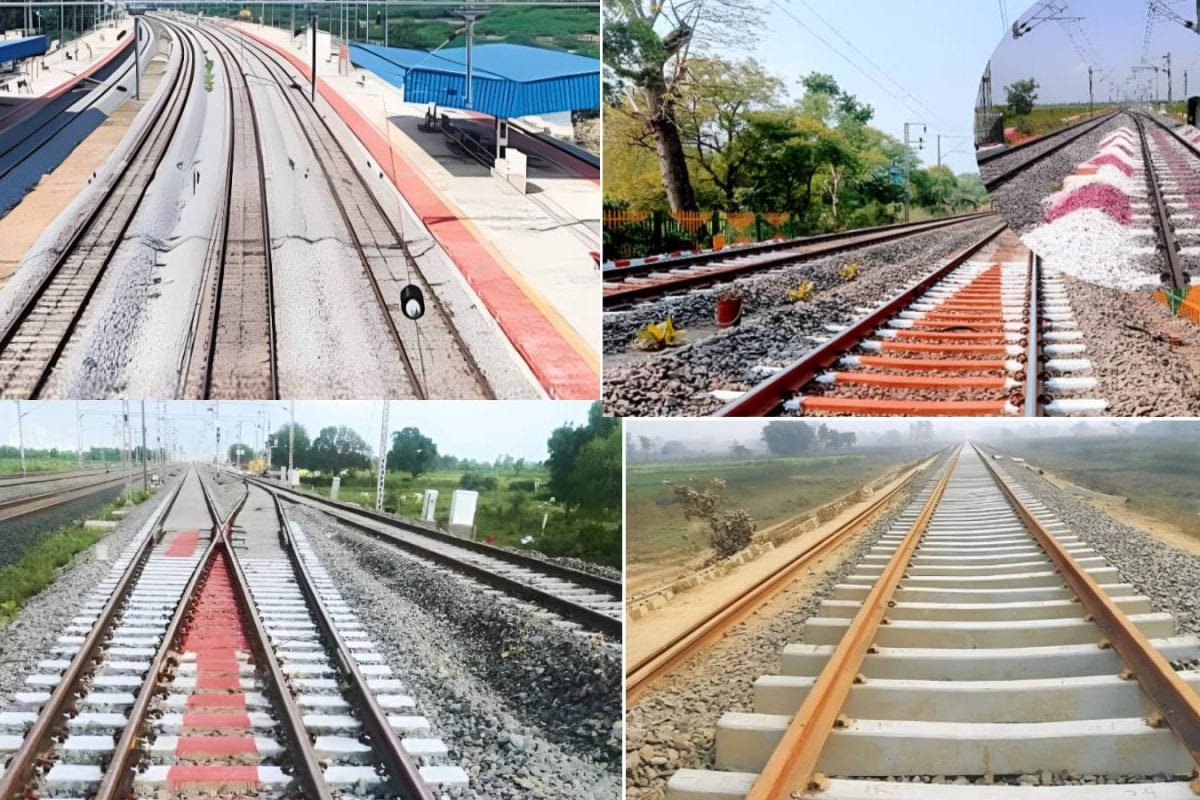
Preparations for the construction of a major 191-kilometer-long new railway line between Rewari and Jaipur have intensified significantly following crucial approvals from national transport authorities. The ambitious infrastructure initiative aims to bridge critical connectivity gaps and facilitate smoother passenger and freight movement across the northern region. Transport planners and regional commuters have long awaited a direct, modernized rail route to streamline travel between these prominent commercial hubs.
The genesis of this strategic railway corridor traces back to persistent public demands and comprehensive infrastructural reviews aimed at decongesting existing routes. Recognizing the surging traffic volume and burgeoning industrial growth along the corridor, the Railway Board officially intervened to grant formal approval for the Detailed Project Report and the final location survey. This milestone ensures that technical parameters and topographical assessments are meticulously evaluated before heavy engineering works commence.
As part of the immediate execution phase, field surveys along the designated alignment have officially commenced, marking the transition from planning to ground reality. Financial and logistical stakeholders have noted that the project entails comprehensive land acquisition procedures, particularly affecting 34 villages located within the Rewari district. Official documentation regarding the precise identification of these villages and land parcels is slated for public release in the near future, setting the stage for formal administrative engagement with landowners.
Local communities, trade organizations, and regional representatives have expressed immense optimism regarding the socio-economic dividends promised by the new rail corridor. Commercial enterprises anticipate reduced logistics costs and expedited transit times for goods moving between major markets. Passenger associations emphasize that daily commuters, students, and working professionals will experience unprecedented travel convenience once the railway line becomes fully operational.
The regional impact of this 191-kilometer rail link is expected to be profound, particularly in stimulating localized commerce and real estate development across adjacent rural and semi-urban settlements. By improving regional mobility, the project directly addresses historical bottlenecks that previously hindered seamless transit between vital economic centers. Both state and local economies are projected to witness a tangible upward trajectory as industrial clusters gain direct access to expanded consumer markets.
Administrative machinery and district authorities are presently laying the groundwork to ensure transparent execution of land acquisition protocols and statutory clearances. Inter-departmental coordination meetings are reportedly underway to streamline the demarcation of boundaries and address potential grievances of affected residents in a timely manner. Officials have reiterated their commitment to adhering strictly to established legal frameworks while facilitating the rapid advancement of infrastructural milestones.
Looking ahead, railway authorities project that the physical construction and commissioning of the entire 191-kilometer rail line will be completed within approximately two years from the commencement of the survey phase. As the survey teams map out the final alignment and village lists are officially disclosed, public anticipation continues to mount. This transformative railway project stands as a testament to ongoing efforts to modernize regional infrastructure and foster robust economic integration across Haryana and Rajasthan.
