
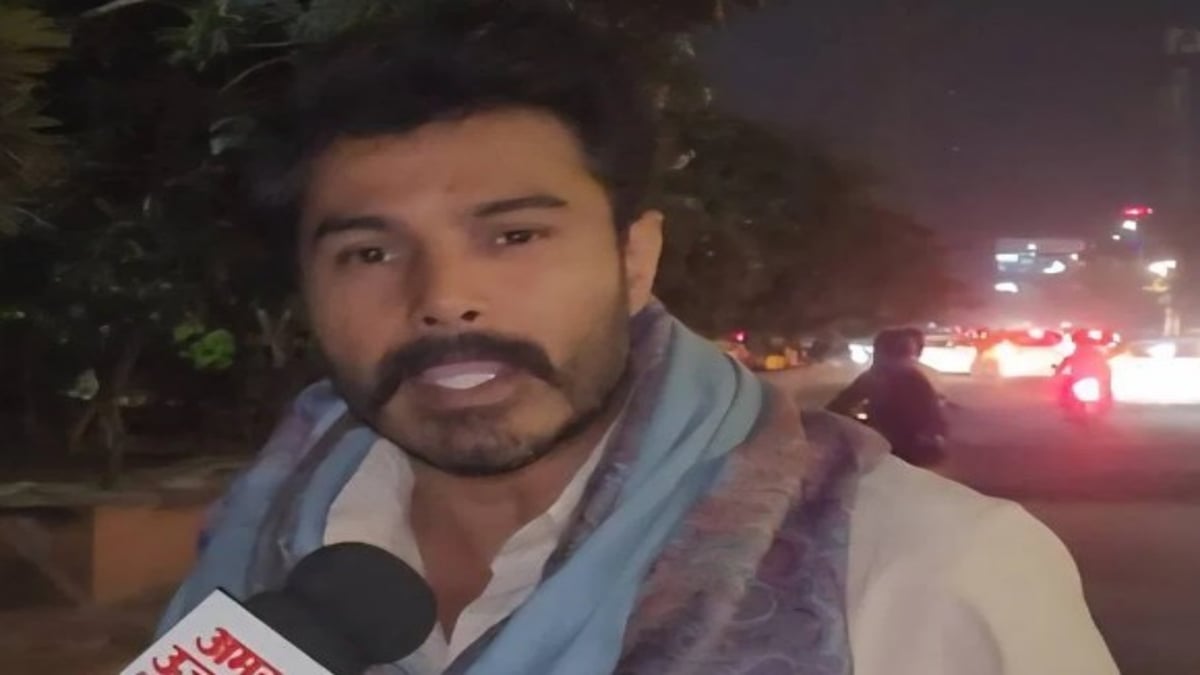
Jaipur witnessed a fresh political confrontation as the Rajasthan Youth Congress escalated its offensive against the ruling Bharatiya Janata Party leadership. At the center of this political friction is a controversial statement made by BJP State President Madan Rathore concerning Pakistan. The remarks have triggered strong reactions from opposition ranks, particularly within the youth wing of the Congress party.
The genesis of this political dispute traces back to historical policy decisions regarding Pakistan, which recently became a focal point of public debate. Political observers note that references to historical events and international relations often become flashpoints in state politics, polarizing public opinion between rival political factions in Jaipur and across the broader region.
In response to the remarks, Youth Congress State President Abhishek Chaudhary spearheaded a targeted offensive, announcing a digital protest strategy. This modern form of political mobilization aims to take the controversy directly to young citizens across various digital platforms, ensuring that the issue remains prominent in public discourse and social media networks.
Criticizing Madan Rathore's position, Abhishek Chaudhary argued that questioning historical decisions regarding Pakistan undermines established national narratives and democratic sensibilities. The Youth Congress leadership maintains that such statements warrant a robust democratic counter-response, utilizing digital spaces to rally public sentiment against the opposition leadership.
The ripple effects of this digital campaign extend beyond the capital city of Jaipur, resonating through various districts, including Kotputli-Behror. Local political workers and community members are increasingly engaging with these digital narratives, reflecting how state-level political disputes quickly permeate local grassroots organizations and regional discussions.
As political temperatures rise, administrative and organizational observers are closely monitoring the situation to gauge the broader implications of digital agitations. While formal administrative interventions are typically reserved for matters of public order, political organizations continue to deploy digital campaigns as a primary tool for political messaging and mobilization.
Looking ahead, the Youth Congress intends to sustain its digital pressure through ongoing social media initiatives and online public outreach. Both the Bharatiya Janata Party and the Congress party are expected to maintain their aggressive stances as political preparations for future electoral engagements gradually take shape across Rajasthan.
