
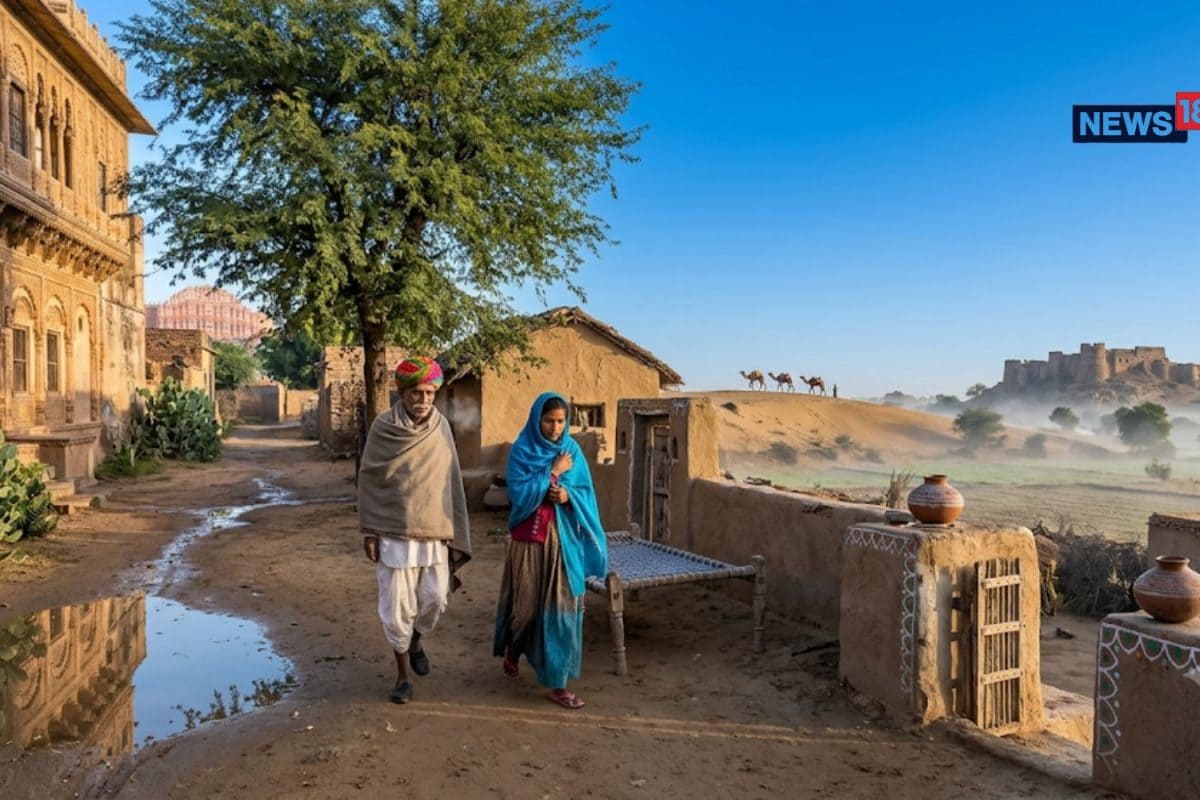
The weather across Rajasthan is experiencing a distinct seasonal transition, bringing an end to moderate warmth and ushering in a prolonged spell of crisp, winter-like conditions. According to the latest reports from the India Meteorological Department, the state will witness completely dry and clear skies on 18 November 2026, with zero probability of rainfall across any part of the region. This atmospheric stability, while providing uninterrupted sunshine during daylight hours, has set the stage for a sharp intensification of cold weather driven predominantly by prevailing northern winds sweeping directly from the higher altitudes.
Meteorological analysts and weather experts monitoring the northern and western plains note that this phenomenon is characteristic of the advancing winter season in the desert state. Historically, the withdrawal of monsoon moisture followed by clear post-monsoon skies allows rapid heat radiation from the earth's surface during the night. The intrusion of chilly northern winds amplifies this cooling process, creating a stark contrast between daytime warmth and nocturnal chill. This seasonal shift traditionally impacts agricultural cycles, local trade, and daily commuting patterns across the affected districts, marking the formal onset of winter preparations for millions of residents.
Ground realities across the state reflect this marked atmospheric shift, with specific localities recording significant drops in temperature readings. As per the latest observational data released by meteorological authorities, Fatehpur has emerged as one of the coldest pockets, registering a chilly minimum temperature of 7.4 degrees Celsius. The impact of the northern winds is equally palpable in Jaipur, Jodhpur, Udaipur, Kota, and the expansive Shekhawati region, particularly encompassing Sikar and Churu. Daily commuters, outdoor laborers, and early morning travelers are already adapting to the brisk conditions by donning heavier garments during their daily routines.
Local communities, agricultural workers, and regional market vendors have expressed varied perspectives regarding this sudden yet anticipated weather transition. Farmers across the Shekhawati belt view the dipping temperatures as beneficial for upcoming rabi crop sowing, although sudden drops require cautious management of sensitive seedlings. Small businesses dealing in woolen apparel, seasonal blankets, and hot beverages report an early surge in customer footfall. Citizens across urban and rural sectors emphasize the necessity of adequate preparedness, especially for school children and elderly family members who are most vulnerable to sudden thermal fluctuations.
The regional impact of this temperature decline extends significantly into the Kotputli-Behror district and its adjoining commercial hubs, where local economic activity is closely intertwined with regional weather patterns. As morning and evening commutes turn noticeably colder, local markets dealing in winter wear are witnessing heightened activity. Transport operators and daily wage earners note that the drop in temperatures necessitates adjustments to working hours, with early morning commercial transport experiencing brisk, cooler conditions that demand proper vehicular maintenance and personal protection against the cold.
In response to the shifting weather patterns, administrative bodies and local civic departments are keeping a close watch on public health and infrastructural preparedness. While no severe weather warnings have been issued due to the dry nature of the forecast, local authorities are coordinating with health advisory boards to disseminate preventive guidelines against seasonal illnesses. Municipal offices are ensuring that night shelters and public rest areas remain functional to assist vulnerable populations, ensuring that community welfare is prioritized as temperatures continue their downward trajectory.
