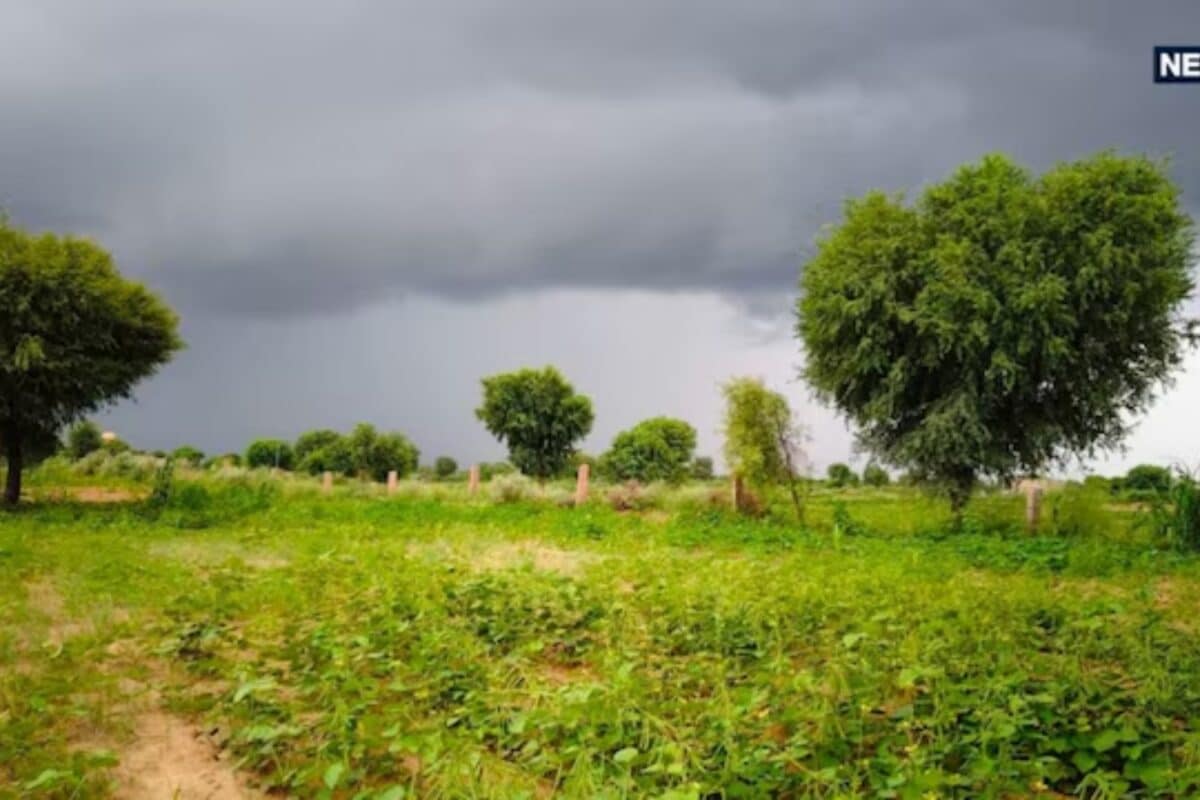
The meteorological department has officially released its comprehensive regional weather assessment for the state of Rajasthan, indicating that absolute dry weather conditions will prevail across all territories on October 3, 2026. Based on the detailed weather bulletin officially published and circulated on September 28, both the eastern and western expanses of the desert state will experience completely clear skies, with zero probability of precipitation anywhere in the region. Regional meteorological offices have confirmed that no weather-related warnings or advisories have been issued for any of the state districts for this specific date, bringing a period of tranquil weather conditions to the populace.
Analyzing the broader climatic backdrop, this current phase of dry weather arrives directly in the wake of the seasonal withdrawal of the southwest monsoon from the region, coupled with the complete cessation of active western disturbance systems that previously influenced north-western India. Meteorological scientists note that transition periods between major weather systems frequently usher in stable atmospheric conditions characterized by absolute lack of moisture convergence. Consequently, the atmospheric pressure gradients across Rajasthan have stabilized, ensuring uninterrupted sunshine and clear daytime skies across all major territorial divisions.
A granular examination of the ground reality across diverse geographical zones reveals that prominent eastern districts including Jaipur, Kota, Udaipur, and Bharatpur will experience completely dry meteorological conditions without any precipitation threats. Agricultural and urban sectors alike are navigating this phase of uninterrupted dry spells, which standardizes day and night temperature profiles across the eastern plateau and valley regions. The absence of active cloud cover means maximum temperatures may record slight variations, remaining largely consistent with seasonal averages typical for the early autumn timeline.
Local farming communities, commercial enterprises, and regional traders have shared diverse perspectives regarding this uninterrupted dry weather spell across the eastern and western corridors. While agricultural experts emphasize that mature crops require adequate dry periods for harvesting activities following the monsoon retreats, transport and logistics operators express satisfaction over uninterrupted highway connectivity free from heavy downpours or waterlogging hazards. Local community stakeholders continue to monitor daily updates issued by meteorological authorities to plan their commercial and personal schedules effectively.
Focusing specifically on the broader regional impact spanning western and northern territories, districts such as Jodhpur, Jaisalmer, Bikaner, Barmer, Ganganagar, and Hanumangarh share identical weather patterns characterized by completely dry environments and the absence of any rain alerts. The arid and semi-arid terrain of western Rajasthan, known for its vulnerability to rapid climatic shifts, remains notably calm during this forecast window. The absence of strong surface winds or dust storm advisories further ensures stable routine activities across border districts and commercial trading hubs alike.
Administrative authorities and district disaster management cells have maintained a routine monitoring posture, noting that no emergency measures or precautionary alerts are necessitated given the benign weather forecast for October 3. District administrations across the state continue to coordinate with regional meteorological stations to ensure seamless information dissemination to the general public, prioritizing transparency and timely communication regarding any future atmospheric shifts that might develop later in the month.
Looking forward toward the extended weekly outlook, meteorological models project that dry atmospheric conditions will persist predominantly across the entirety of Rajasthan for approximately one more week following October 3. Citizens and institutional stakeholders are advised to stay informed through official bulletins issued by the meteorological department for any subsequent updates regarding approaching western disturbances or seasonal transitions as the autumn season progresses further.