
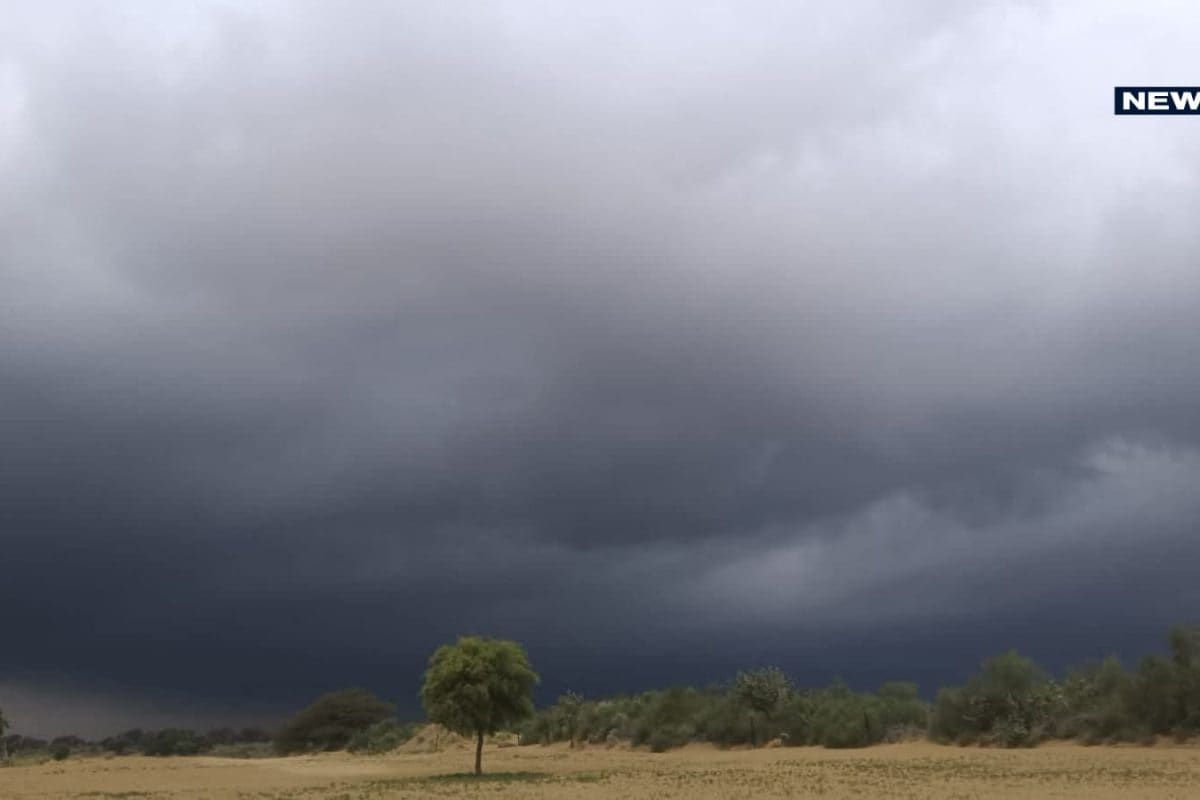
With the transition from October to November, weather conditions across Rajasthan have undergone a notable shift, bringing an end to the spells of rain and cloudy skies that characterized the final days of the preceding month. The India Meteorological Department has issued its latest comprehensive weather update, confirming that the state will experience predominantly dry weather conditions over the upcoming week. Citizens across various districts can prepare for uninterrupted sunshine and clear skies as the regional atmospheric dynamics stabilize following the recent seasonal fluctuations.
Reflecting on the historical weather patterns of October, the region had witnessed scattered showers and significant cloud cover which temporarily pulled down the prevailing temperatures across multiple zones. However, meteorological experts note that these transitory spells have now completely dissipated, paving the way for a stable yet warm atmospheric regime. The current transition marks a typical seasonal adjustment as late autumn takes full effect throughout the desert state, leading to distinct variations between daytime warmth and nighttime coolness.
According to the latest bulletin released by the India Meteorological Department, from November 2 to November 8, regions spanning Jaipur, Ajmer, Kota, Udaipur, Jodhpur, and Bikaner will remain completely devoid of rainfall. Furthermore, the department has confirmed that no special weather warnings or alerts have been issued for any specific district during this period. Ground reports indicate that while weak western disturbances may trigger minor spells of passing clouds in isolated pockets, there are absolutely no indications of widespread or substantial precipitation.
Analyzing the temperature statistics recorded across the diverse topography of Rajasthan, notable extremes continue to define the regional climate. Barmer registered the highest maximum temperatures across the state, reflecting persistent residual heat, while the picturesque hill station of Mount ABU recorded the lowest minimum temperatures, offering a sharp contrast to the plains. Meteorological analysts point out that daytime temperatures are projected to increase by 2 to 3 degrees Celsius over the next few days as solar radiation intensifies in the absence of cloud cover.
Examining the broader regional impact on local communities, commerce, and agricultural planning, the prolonged dry spell presents a mixed scenario for various stakeholders. Farmers and agricultural workers who rely on predictable weather patterns are monitoring soil moisture levels closely, even as trade and transport activities proceed unhindered by weather-related disruptions. Local administrative bodies and community stakeholders across districts remain observant of the temperature shifts, ensuring that public health measures align with the rising daytime warmth.
From an administrative and statutory oversight perspective, meteorological centers continue to monitor atmospheric developments vigilantly through advanced tracking systems. Although no severe weather advisories are currently in place, district administrations maintain standard readiness protocols to address any localized shifts in air quality or temperature extremities. The institutional focus remains on providing timely and accurate meteorological data to the public to prevent any misinformation regarding seasonal forecasts.
Looking ahead toward the middle of the month, the extended outlook provided by meteorological authorities indicates that weather conditions will remain largely stable. Current atmospheric models suggest that even up to November 15, environmental conditions will not support favorable circumstances for any significant rainfall events across the state. Residents and commercial sectors are thus advised to plan their activities around a prolonged period of dry, warm weather and clear skies.
