
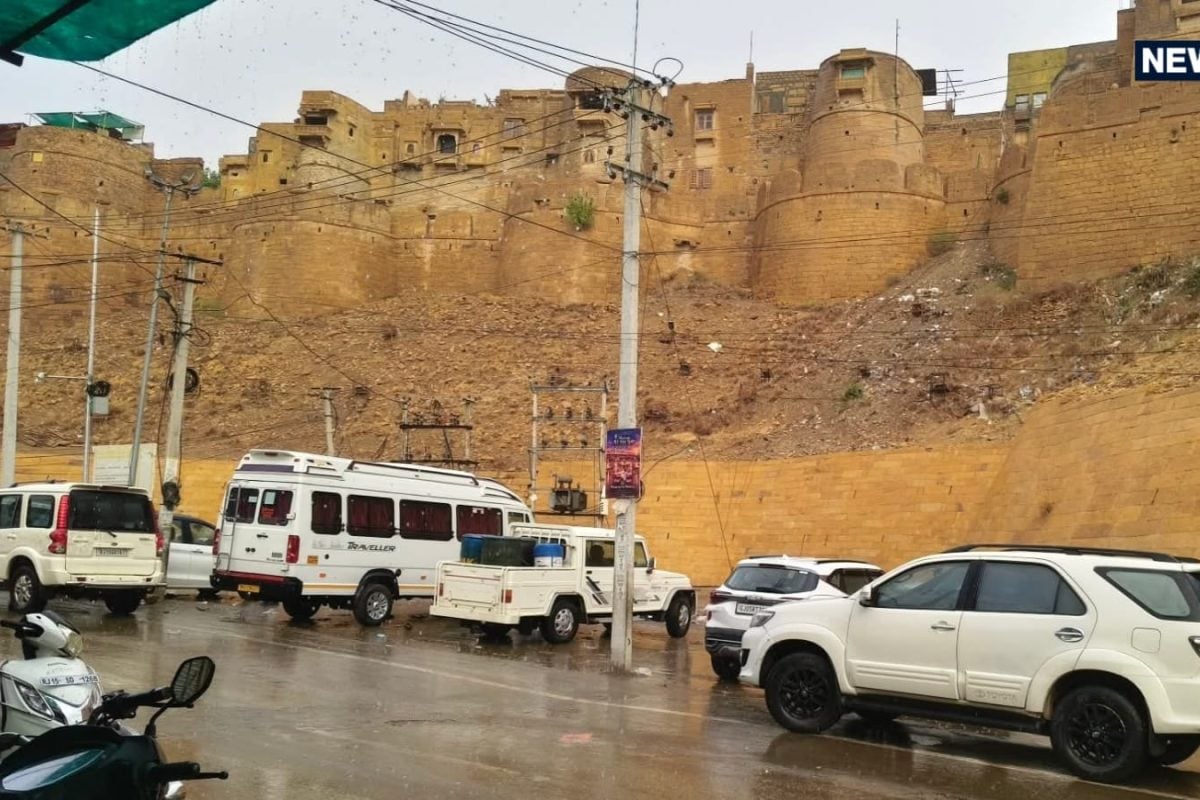
The Meteorological Center in Jaipur has issued a comprehensive weather bulletin indicating a significant meteorological shift across 14 districts in Rajasthan under the influence of an active western disturbance. This atmospheric disturbance is slated to manifest visibly, bringing sudden meteorological changes to the western and northern sectors of the state. Citizens and local administrations are closely monitoring the developments as the system alters the prevailing dry spell in targeted pockets of the region.
Historically, western disturbances play a critical role in shaping the winter transition across northwestern India, bringing crucial moisture and impacting local agrarian calendars. The current meteorological evolution stems from upper-air cyclonic circulations interacting with regional topography. While much of the state has experienced prolonged dry conditions, these localized moisture incursions periodically disrupt standard climatic patterns, creating sudden overcast skies and localized atmospheric instability.
According to detailed reports issued by the Meteorological Center in Jaipur, the ongoing weather system will predominantly impact the Bikaner division, northern parts of Ajmer and Jaipur divisions, along with the culturally and agriculturally significant Shekhawati region. Furthermore, specific attention is drawn toward major administrative and geographical hubs including Jodhpur and Barmer, where shifting weather parameters require heightened vigilance from local communities and travelers alike.
Agricultural experts, local merchants, and regional stakeholders have expressed mixed reactions regarding the sudden climatic turn. While a brief spell of rain can occasionally benefit certain standing crops, abrupt thunderstorms accompanied by gusty winds pose potential risks to unprotected agricultural produce and rural infrastructure. Local community leaders emphasize the necessity for timely advisories to safeguard both urban commerce and rural agricultural interests during such volatile spells.
Within the broader regional context of districts like Kotputli-Behror, the evolving weather patterns serve as an immediate precursor to the impending winter season. The drop in atmospheric pressure and subsequent wind currents directly influence local trade dynamics, morning commutes, and general public routines. Small businesses dealing in seasonal garments and local markets anticipate a surge in demand as the community prepares for the colder nights ahead.
In response to the forecast, administrative authorities and district disaster management cells remain on alert to address any eventualities arising from lightning strikes or sudden wind gusts. Officials have reiterated standard safety protocols for rural residents, advising them to avoid sheltering under isolated trees during thunderstorms and urging vehicular operators to exercise caution on highways affected by reduced visibility or wet road conditions.
Looking ahead, the meteorological department forecasts that the atmospheric disruption will be relatively short-lived, with weather conditions stabilizing by November 16. Following the clearance of the disturbance, clear skies are expected to prevail for the subsequent 4 to 5 days. Concurrently, minimum and maximum temperatures are projected to register a noticeable drop of 2 to 4 degrees Celsius, setting the stage for a pronounced intensification of morning and night-time chill across the state.
