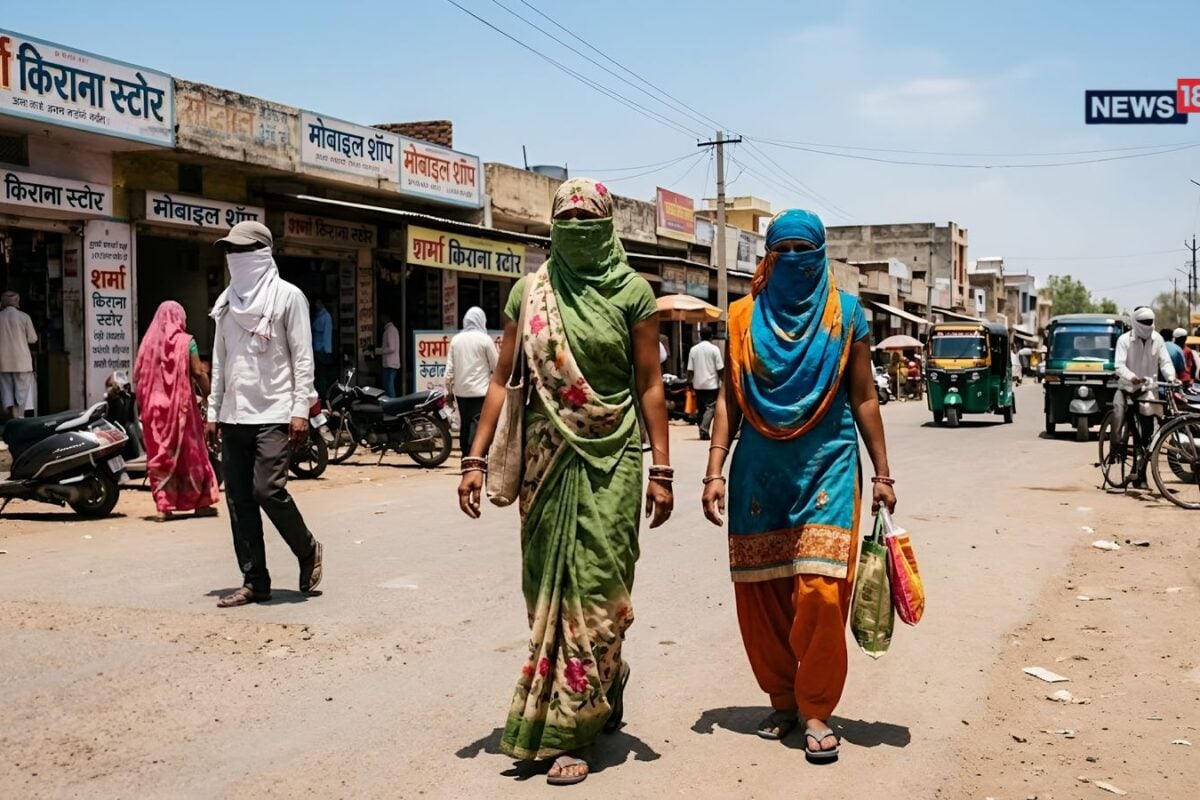
Rajasthan is currently enduring an intense and unprecedented wave of October heat that has shattered several historical climate records across the region. According to the latest official updates released by the India Meteorological Department on October 7, 2026, the atmospheric conditions have turned exceptionally severe, leaving residents grappling with scorching daytime temperatures that typically belong to the peak of summer rather than the autumn transition.
The meteorological background of this extreme weather anomaly points toward persistent dry northwesterly winds and an extended withdrawal phase of the monsoon system over northwestern India. Normally, October ushers in a pleasant drop in mercury levels, providing much-needed respite to citizens. However, prolonged dry spells and the absence of moisture-laden weather systems have created a stationary heat trap across the desert state, intensifying solar radiation.
Ground realities reflect severe distress as agricultural and daily routines are heavily disrupted by the unrelenting heat. According to specific statistics issued by meteorological authorities, Pilani recorded a blistering maximum temperature of 40.1 degrees Celsius on October 7, 2026. Simultaneously, adjacent key locations including Churu and Sri Ganganagar recorded alarming temperatures touching 39.7 degrees Celsius, making outdoor movement exceedingly difficult during afternoon hours.
Local stakeholders, including farmers, daily wage workers, and local traders, have expressed deep concern over the unseasonal heat wave affecting their livelihoods and health. Agricultural experts note that the extreme soil moisture depletion caused by continuous high temperatures poses significant challenges for upcoming sowing seasons, increasing the dependency on timely meteorological interventions and irrigation resources.
The regional impact of this climate severity extends across various districts, creating widespread discomfort and prompting health advisories from local civic bodies. Citizens across the affected zones have had to alter their daily schedules to avoid peak afternoon sun exposure, while local markets report a sharp decline in daytime customer footfall as people prefer staying indoors until temperatures subside.
Administrative authorities and district disaster management cells have been closely monitoring the situation in coordination with meteorological stations. Advisory notices have been circulated to ensure public safety, urging vulnerable populations such as the elderly and young children to take adequate precautions against heat-related illnesses during this extended period of high thermal stress.
Looking forward, the India Meteorological Department has provided a promising outlook for weather modification later in the week. A new Western Disturbance is scheduled to become active starting October 10, bringing a much-anticipated shift in atmospheric patterns. This upcoming system is expected to trigger cloud cover and rainfall, particularly over Bikaner and the Shekhawati region, ultimately driving temperatures down by 2 to 3 degrees Celsius and offering substantial relief to the state.