
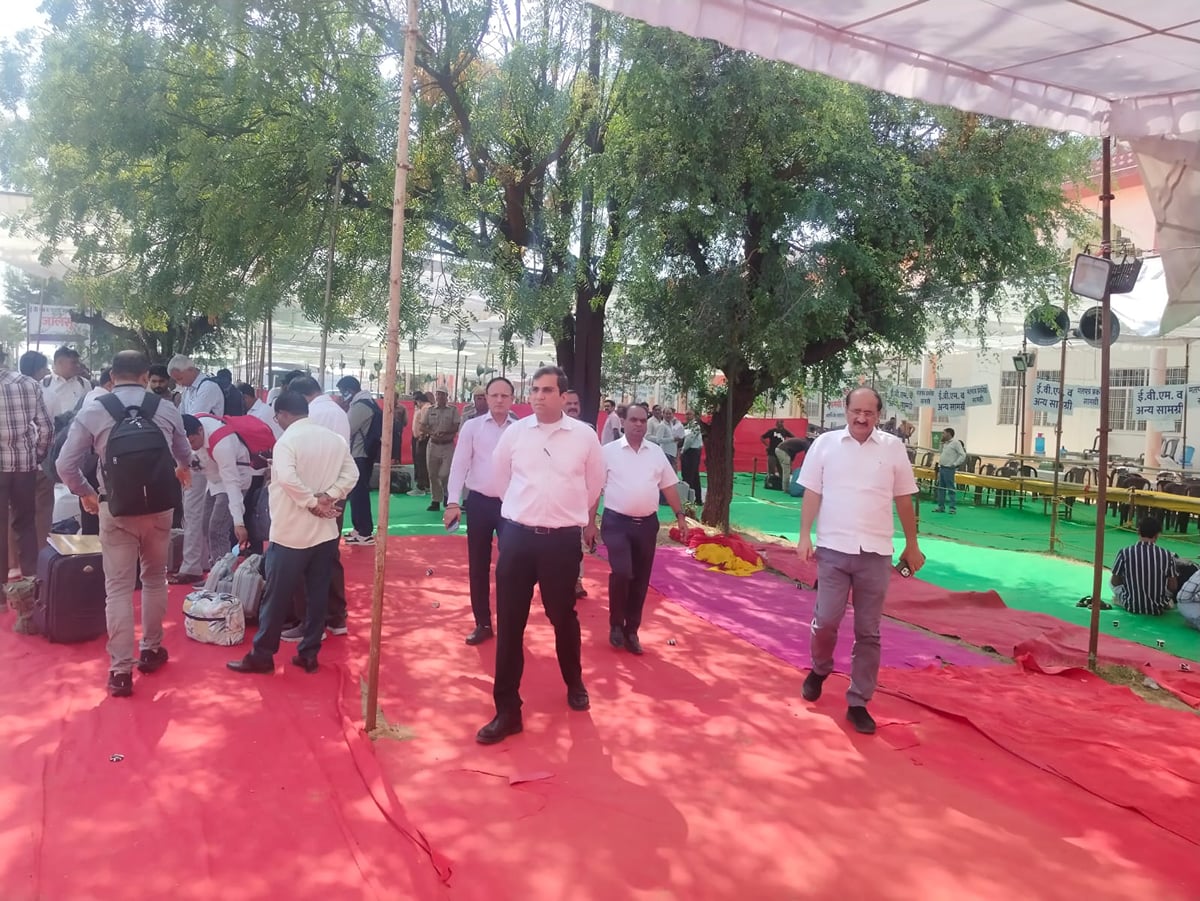
The state of Rajasthan has witnessed the commencement of the second phase of local body elections today, marking a significant milestone in grassroots democracy. Voters across 22 districts are heading to polling booths to exercise their franchise in an exercise that tests the political pulse of rural communities. The high-stakes electoral process forms the bedrock of local governance, dictating development trajectories at the village and district levels for the upcoming tenure.
Local body elections in Rajasthan hold deep historical significance as they empower rural populations through decentralized governance structures. Over the decades, these polls have evolved into crucial political barometers, reflecting shifting voter preferences beyond traditional urban centers. Panchayat institutions serve as the primary engines for grassroots implementation of welfare schemes, rural infrastructure development, and agricultural support programs, making these elections fiercely contested.
As per the detailed statistical data released by election authorities for this phase, polling is being conducted for 352 zilla parishad wards and 2,197 panchayat committee wards. A massive contingent of 8,404 candidates is locked in electoral battles across multiple constituencies. To accommodate this extensive democratic exercise, authorities have mobilized resources to cater to an electorate exceeding 1.06 crore registered voters who hold the ultimate power to shape local leadership.
Citizens, local community leaders, and grassroot representatives have expressed high expectations from the ongoing electoral process. Conversations across various polling centers highlight public aspirations centered on improved drinking water access, better rural road connectivity, enhanced primary education facilities, and transparent execution of developmental funds. Candidates have spent weeks campaigning intensively through door-to-door visits, village meetings, and community gatherings to secure backing.
The regional impact of these elections is profound, particularly for communities within administrative regions such as Kotputli-Behror, where rural populations depend heavily on efficient local council administration. Local trade, agricultural supply chains, and rural employment initiatives are directly influenced by the policy decisions and fund allocations made by elected representatives at the panchayat and district council levels, giving rural residents a direct stake in the outcome.
Administrative machinery across the 22 districts remains on high alert, with district collectors and police superintendents overseeing comprehensive security and logistical frameworks. Adequate deployment of police personnel, micro-observers, and polling staff has been ensured to maintain law and order. Special arrangements have also been instituted to facilitate elderly and differently-abled voters, ensuring that every citizen can participate without hindrance.
Looking ahead, once the polling concludes, electronic voting machines and ballot boxes will be safely transported to designated strongrooms under armed guard. The counting of votes and subsequent declaration of results will determine the new leadership composition across rural bodies, paving the way for the constitution of newly elected zilla parishads and panchayat committees to steer local administration forward.
