
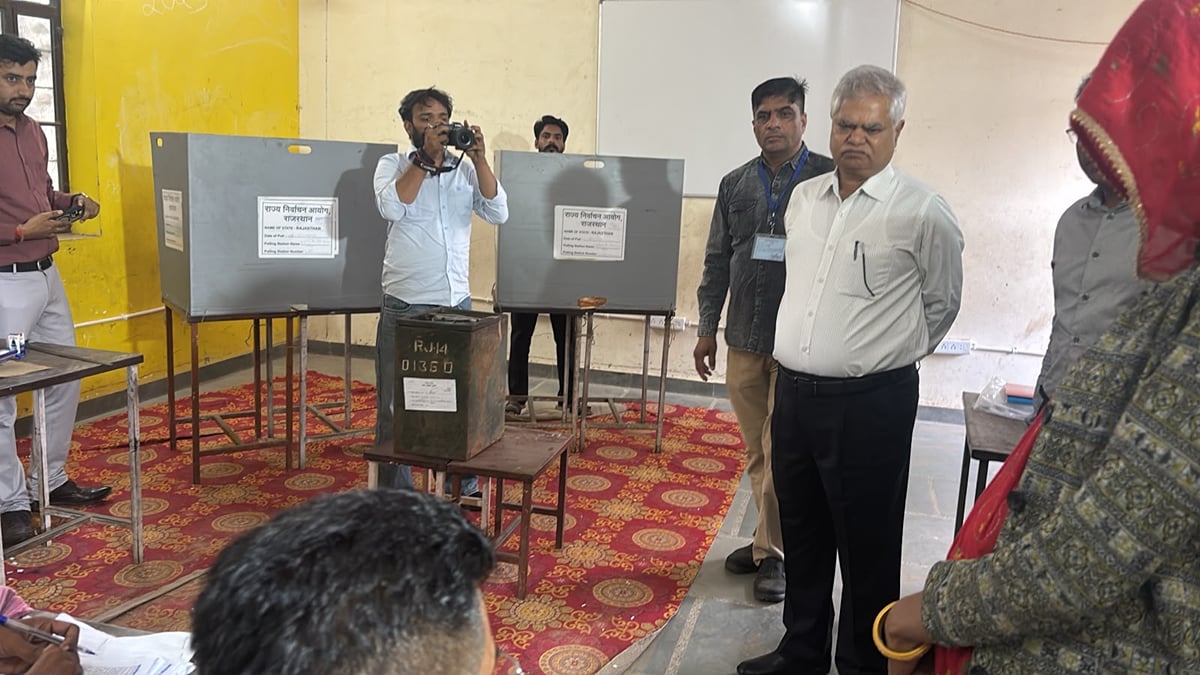
Rajasthan is currently witnessing a massive democratic exercise at the grassroots level as the counting of votes begins for the first phase of the panchayat elections. Across the state, excitement is palpable in rural pockets as early trends and final results start trickling in from various polling booths. This monumental electoral undertaking determines the leadership for thousands of villages, setting the tone for local governance over the coming years.
Panchayat elections hold a deeply entrenched position in the democratic framework of Rajasthan, acting as the foundational bedrock for rural development and administrative decentralization. Historically, these elections dictate the allocation of central and state developmental funds, local infrastructure projects, and the implementation of crucial social welfare schemes at the village level. Consequently, the stakes for rural communities are exceptionally high, transforming village squares into vibrant hubs of political discussion.
According to the official data released by election authorities, the ongoing democratic exercise spans sixteen districts in its initial phase alone. The sheer scale of the election is reflected in the numbers, with a staggering 3,314 sarpanch positions and 28,682 ward panch positions being contested and finalized. Administrative machinery has been working round the clock to ensure the smooth tabulation of votes, verification of ballots, and immediate declaration of results.
Local stakeholders, including community elders, agricultural workers, and aspiring grassroots leaders, have expressed profound enthusiasm regarding the transparent execution of the polling process. Citizens view these elections not merely as a political contest, but as a direct channel to voice their developmental aspirations regarding drinking water, rural roads, sanitation, and electricity. Local merchants and shopkeepers also report heightened economic activity surrounding the village Chaupals as supporters gather to await the final outcomes.
For the Kotputli-Behror region and surrounding rural jurisdictions, the panchayat elections carry immense significance in shaping local agricultural policies and infrastructure maintenance. Village councils act as the primary interface between rural residents and district authorities, making the election of capable sarpanchs and ward panchs vital for regional prosperity. Communities within this administrative belt are closely monitoring the initial results to gauge the shifting political dynamics within local bodies.
To maintain absolute integrity, the state election commission and district administrations have deployed extensive security personnel and observers across all counting centers. Strict adherence to statutory guidelines, transparent ballot handling, and deployment of videography equipment have been mandated to prevent any irregularities. Officials have reiterated their commitment to maintaining law and order while overseeing the peaceful conclusion of the vote-counting process.
Even as the final results of the first phase are being compiled and celebrated by victorious candidates, the administrative machinery has already shifted its focus toward the second phase of voting. Political parties, independent candidates, and election officials are gearing up for the next round of polling, promising an equally rigorous campaign trail. The comprehensive electoral schedule ensures that the momentum of rural democracy remains steady across the entire state.
