
Political friction has intensified significantly across Rajasthan as preparations and procedural steps for the upcoming 2026 Panchayat elections encounter sudden administrative rescheduling. Even before the conclusion of the ongoing civic body polls, the shifting of the crucial lottery process meant for the Panchayati Raj elections has triggered severe political controversy. The unexpected delay has ignited widespread debate among political analysts, regional stakeholders, and administrative observers throughout the state.
The administrative timeline governing local body elections in Rajasthan has historically been a subject of meticulous public scrutiny and strict legal adherence. Panchayat elections form the foundational bedrock of rural democracy in the state, directly empowering village communities, local leadership, and grassroots governance structures. The scheduled lottery system determines reservation quotas for various administrative positions, making it an indispensable preliminary step that dictates the entire electoral roadmap for rural bodies.
While comprehensive official statistics regarding the exact number of affected village councils and rural constituencies continue to be reviewed by election authorities, the postponement directly impacts thousands of prospective candidates and rural voters. The logistical preparations required for conducting peaceful and transparent rural elections involve massive deployment of state resources, administrative machinery, and security personnel. Local governance advocates emphasize that any disruption in the pre-election schedule introduces uncertainty into rural developmental planning and administrative continuity.
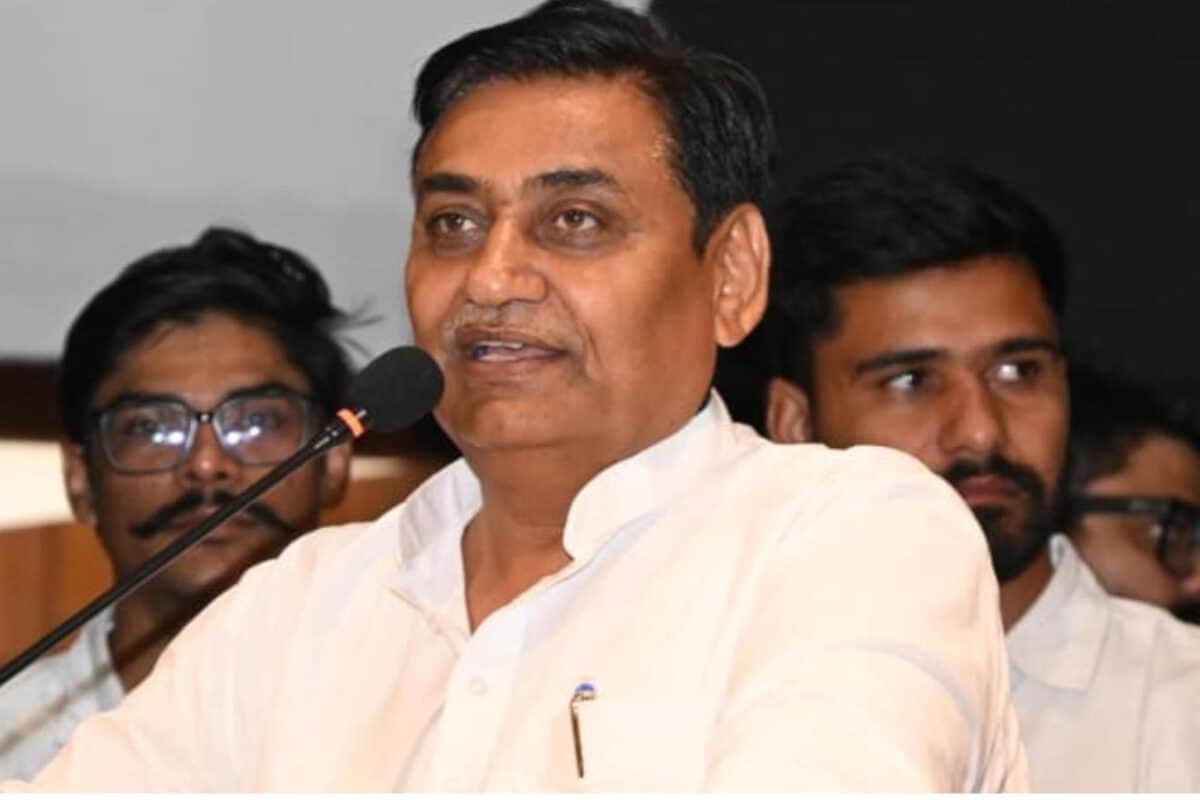
Reacting sharply to the procedural postponement, senior opposition leaders have voiced profound disappointment and skepticism regarding the administrative intentions of the ruling dispensation. Rajasthan Congress President Govind Singh Dotasra strongly condemned the decision, arguing that shifting the lottery process reflects a deliberate design to stall grassroots democracy. The opposition leadership maintains that delaying the democratic exercise deprives rural citizens of their constitutional right to elect local representatives on time, thereby stalling rural progress.
In regional centers such as Kotputli-Behror and surrounding rural districts, local communities and prospective political aspirants are closely monitoring these developments. The rural economy and local developmental projects heavily depend on the timely constitution of elected Panchayati Raj bodies, which oversee crucial welfare schemes, infrastructure grants, and local administration. Any prolonged uncertainty at the district and village levels directly affects grassroots development works and community-level decision-making processes.
Administrative authorities and state election machinery operate under established statutory guidelines to ensure free, fair, and orderly elections across all tiers of governance. Official measures regarding the recalibration of election schedules are typically justified on the grounds of administrative preparedness, overlapping responsibilities, and legal compliance. However, transparency in communicating the exact rationale behind such procedural adjustments remains vital to maintaining public trust in the electoral framework.
Looking ahead, political stakeholders, community leaders, and voters across Rajasthan eagerly await the revised schedule for the Panchayati Raj election lottery. The ensuing political standoff between the ruling government and the opposition indicates that rural governance will remain a central point of contention in state politics. Public expectations center on a swift and transparent resolution by the election authorities to restore certainty and uphold the democratic calendar in the state.