
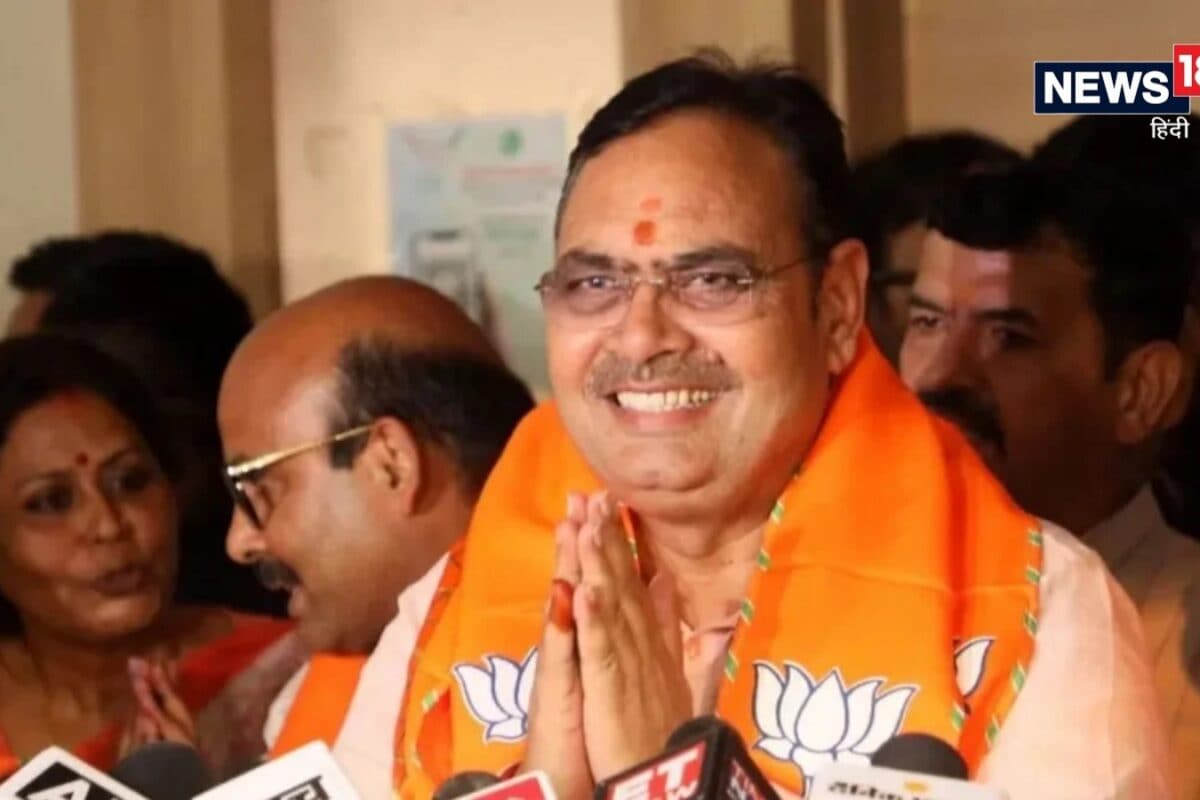
In a major political development defining the landscape of the Rajasthan local body elections of 2026, the Bharatiya Janata Party has secured uncontested victories for chairpersons, municipal presidents, and mayors across 25 distinct municipal bodies throughout the state. This unprecedented electoral sweep highlights a consolidation of political influence and organizational strength for the ruling party at the grassroots level. The administrative apparatus across various districts witnessed a flurry of activity as nomination deadlines passed and political equations shifted rapidly in favor of the ruling dispensation.
The historical context of these elections points toward intense municipal competition, particularly in regions traditionally viewed as politically volatile or fiercely contested between rival political factions. Over the preceding election cycles, local self-government institutions have served as vital barometers of public sentiment at the district and municipal levels. The current political administrative framework, guided by Chief Minister Bhajanlal Sharma, has focused extensively on streamlining urban governance, infrastructure development, and local civic amenities, creating a favorable political climate for the party's candidates.
A critical highlight of this electoral cycle is the absolute dominance established by the ruling party within the Bharatpur and Deeg districts, alongside the municipal corporations of Bharatpur and Bhilwara, where Bharatiya Janata Party mayors and municipal heads have been elected completely unopposed. Official statistical reports confirm that across 25 administrative bodies, opposition candidates failed to sustain competitive electoral challenges, leading to a series of historic uncontested returns. In districts like Bhilwara, the consolidation of urban votes and strategic alignment of local councillors played a pivotal role in securing this outcome.
Stakeholder perspectives from local community leaders, urban planners, and regional political analysts suggest that these uncontested outcomes will significantly alter the trajectory of municipal administration and development execution. Supporters of the ruling party argue that an unopposed leadership structure eliminates the friction and protracted political rivalries that often delay municipal decision-making and infrastructure projects. Conversely, local civic groups and community representatives have emphasized the necessity of ensuring transparent accountability and inclusive urban planning despite the lack of traditional electoral contests in these municipal councils.
The regional impact of this sweeping victory extends deeply into the socio-economic fabric of the districts involved, particularly regarding the allocation of municipal funds, urban renewal projects, and local taxation policies. Business associations and trade bodies within the affected municipal jurisdictions have expressed cautious optimism that streamlined governance under unified political leadership will accelerate pending commercial approvals and infrastructural enhancements. The local economy relies heavily on efficient municipal services, making the swift conclusion of these leadership elections a welcome stabilization factor for urban commerce.
Administrative authorities and district election officials have maintained rigorous statutory oversight throughout the nomination, scrutiny, and withdrawal phases, ensuring strict adherence to the Rajasthan municipal election rules and guidelines. Returning officers across the 25 designated bodies verified all valid nominations and documented the official withdrawals that led to these historic uncontested declarations. Security arrangements and protocol compliances were meticulously maintained by district law enforcement agencies to guarantee a peaceful and orderly administrative transition across all concerned municipal headquarters.
Looking toward the future, the newly elected unopposed municipal chiefs, chairpersons, and mayors face high public expectations regarding urban sanitation, water supply, road infrastructure, and civic welfare schemes. The formal assumption of office will commence immediately following the gazette notification of the election results, setting the stage for the implementation of municipal budgets and development agendas for the upcoming term. Political observers across Rajasthan will closely monitor how these unified municipal administrations deliver on promises of transparent governance and accelerated urban modernization.