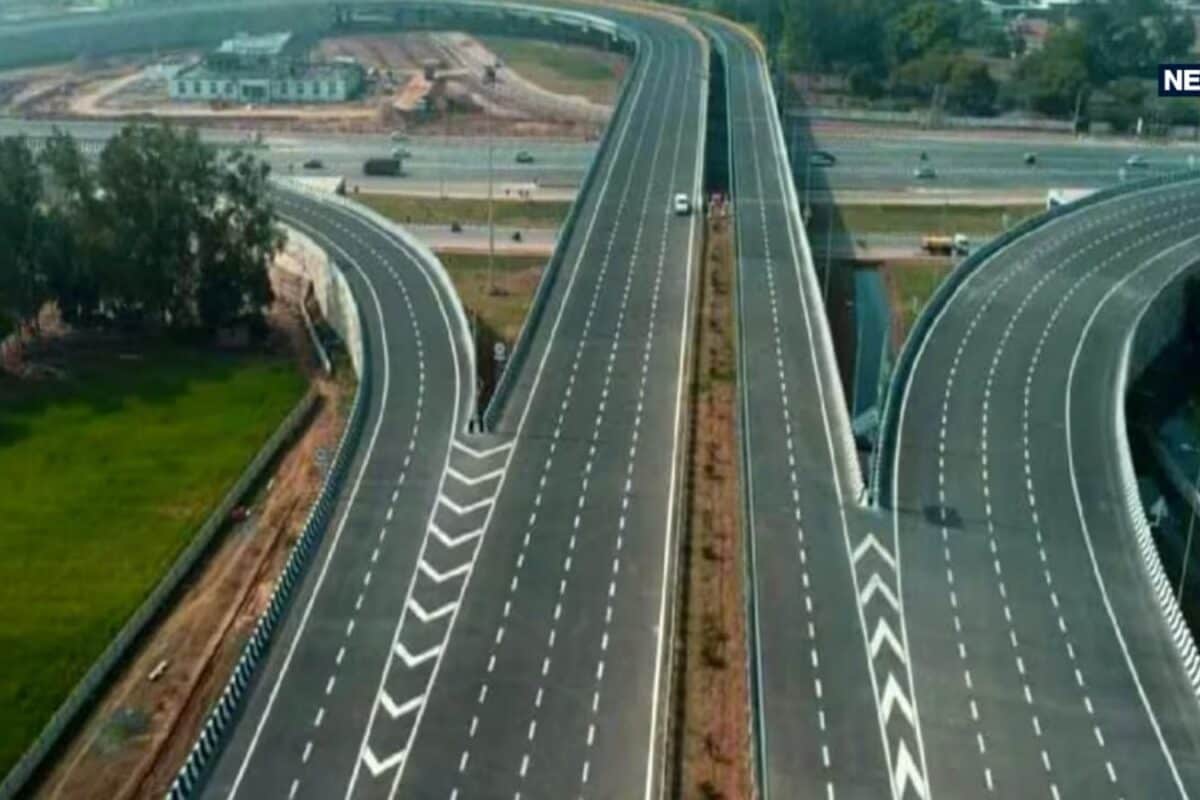
The road infrastructure expansion in western Rajasthan is set to provide a massive momentum to the regional economy through a transformative transportation initiative. A new 6-lane greenfield expressway project, officially designated as the Jaipur-Jodhpur-Pachpadra expressway, has been conceptualized to reshape mobility across the region. With an estimated financial outlay of approximately 11,492 crore rupees, this ambitious venture aims to establish a robust and seamless connectivity network across the western tracts of the state, integrating major urban and industrial nodes into a singular cohesive economic corridor.
Historically, transit across the vast arid and semi-arid terrain of western Rajasthan has faced logistical bottlenecks due to winding routes and conventional highway capacities. The administrative recognition of these transit limitations led to the formulation of this high-capacity greenfield corridor. By bypassing congested settlements and introducing a straight, high-speed arterial route, the project addresses long-standing connectivity deficits between historical administrative centers and emerging industrial hubs, creating a historic shift in how goods and passengers traverse the region.
Examining the precise ground realities and logistical stakes, the project encompasses an impressive stretch measuring approximately 390 to 400 kilometers in length. Built meticulously as a 6-lane facility under the supervision of the National Highways Authority of India, the initiative relies upon the Hybrid Annuity Model to ensure financial viability and timely execution. The substantial allocation of approximately 11,492 crore rupees underscores the strategic priority assigned to this corridor, which aims to facilitate heavy commercial traffic alongside high-speed passenger transit without compromising structural durability or safety standards.
Stakeholder perspectives from industrial associations, commercial traders, and regional commuters reflect profound optimism regarding the economic dividends of this massive engineering undertaking. Business leaders point out that improved logistics will drastically lower transportation costs and reduce wear and tear on commercial fleets. Local communities and trade representatives emphasize that seamless connectivity will unlock untapped economic potential, enabling quicker market access for regional produce and manufactured goods while generating fresh employment opportunities across the entire alignment of the expressway.
The regional impact of this infrastructure development extends far beyond immediate travel convenience, acting as a vital catalyst for industrial zones and energy installations. Most notably, the project directly serves the critical Pachpadra refinery, ensuring rapid movement of petroleum products and raw materials. By seamlessly integrating industrial clusters, commercial manufacturing units, and bulk freight transport operations, the corridor serves as a dedicated economic artery that integrates western Rajasthan firmly into the broader national supply chain and manufacturing grid.
Administrative oversight and execution are being meticulously managed under the direct supervision of the National Highways Authority of India, ensuring adherence to stringent engineering specifications and ecological guidelines. The Hybrid Annuity Model framework adopted for the project guarantees transparent financial disbursement and collaborative accountability between public authorities and private developers. Regular site monitoring and technical audits are instituted to maintain steady construction momentum and resolve potential right-of-way hurdles efficiently.
Looking toward the forward outlook and project timeline, the completion of this expressway promises to radically redefine travel dynamics in the state. Once fully operational, travel between Jaipur and Jodhpur is projected to take only about 4 hours, compared to much longer durations previously. Furthermore, the strategic integration with the Delhi-Mumbai expressway will establish a continuous high-speed network, enabling commuters and freight carriers to complete the journey from Jodhpur to Mumbai in approximately 11 hours, thereby fulfilling long-standing regional aspirations for world-class infrastructure.