
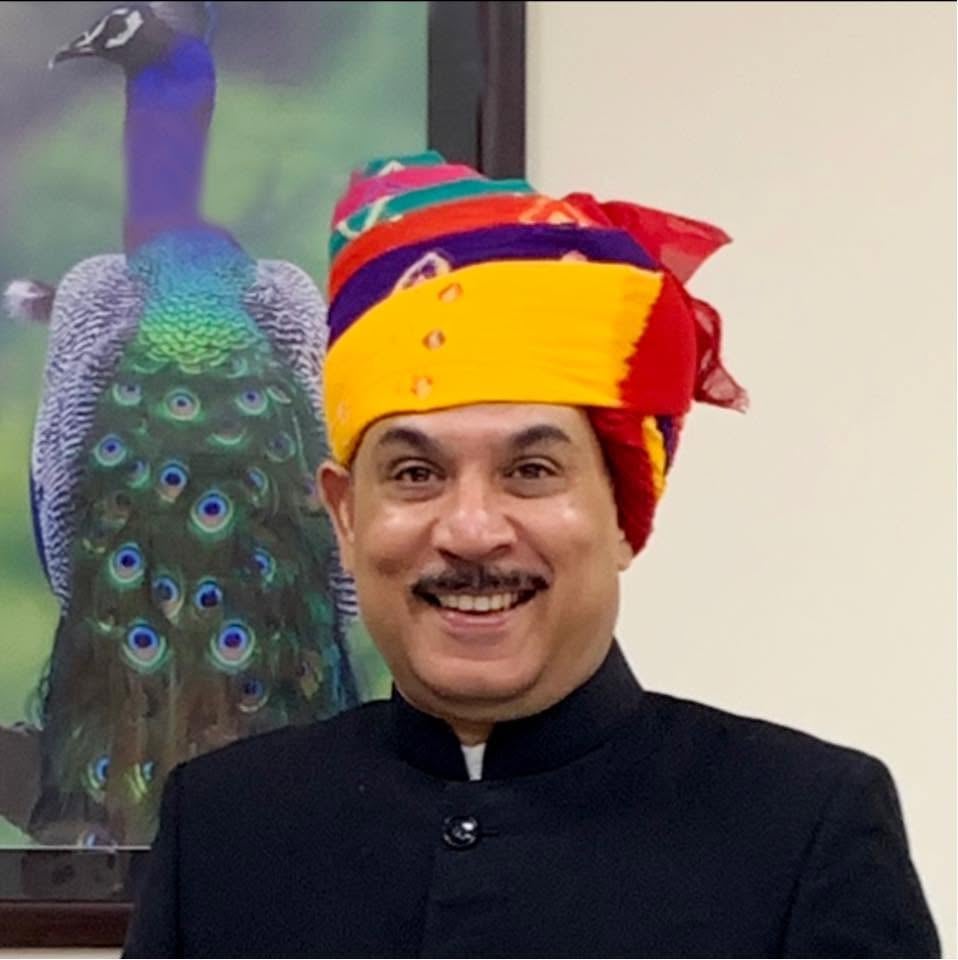
In a major development concerning administrative accountability in Rajasthan, the state government has officially sanctioned a comprehensive and detailed inquiry by the Anti-Corruption Bureau (ACB) against senior IAS officer Shikhar Agarwal. This high-profile investigation stems from serious allegations regarding the misuse of official power and authority during his tenure. The formal approval from the state government marks a critical turning point in the oversight of administrative integrity within the region.
The genesis of this investigative procedure lies in multiple complaints submitted regarding financial irregularities and administrative misconduct. Specific focus has been drawn to allegations that the bureaucrat allegedly extended improper and undue commercial advantages to a business entity identified as Goyal Fashions. Such preferential treatment under the color of official office has raised profound questions concerning statutory compliance and the transparent execution of governmental duties.
Furthermore, the investigative matrix incorporates financial scrutiny into high-value asset acquisitions, specifically pointing toward the purchase of luxury villas within the prominent Ananta Resort. According to the preliminary intelligence gathered by the oversight agencies, these properties were allegedly acquired and registered under the names of close family members. The financial trails connected to these transactions form a core pillar of the upcoming ACB probe, aiming to uncover any illicit nexus or disproportionate asset accumulation.
Stakeholders, civic society members, and administrative observers across Rajasthan are closely monitoring these proceedings. The involvement of senior bureaucratic machinery in such contested transactions underscores the imperative need for rigorous institutional checks and balances. While formal responses from the defense representatives of the accused officer are awaited, the public domain continues to debate the implications of such high-level investigations on bureaucratic morale.
The regional impact of this unfolding investigative development resonates deeply within administrative and commercial circles across the state, including developing districts like Kotputli-Behror. Local communities and trade sectors view stringent regulatory actions as a necessary deterrent against potential corruption. The maintenance of transparent governance directly influences public trust in state institutions and ensures that regional development is not hampered by administrative malpractices.
In response to the growing public demand for absolute transparency, administrative machinery and statutory bodies are preparing to execute the probe with meticulous precision. The Anti-Corruption Bureau is slated to review extensive documentation, financial ledgers, and property deeds associated with both Goyal Fashions and the transactions at Ananta Resort. Every procedural step is designed to adhere strictly to the established legal framework of the state.
Looking toward the future, the timeline of the ACB investigation will dictate the subsequent legal and administrative actions taken by the Government of Rajasthan. As the inquiry progresses, investigators are expected to summon relevant parties, analyze bank statements, and scrutinize official files from the relevant departments. The ultimate findings of this thorough probe will set a vital precedent for administrative governance and anti-corruption measures within the state.
