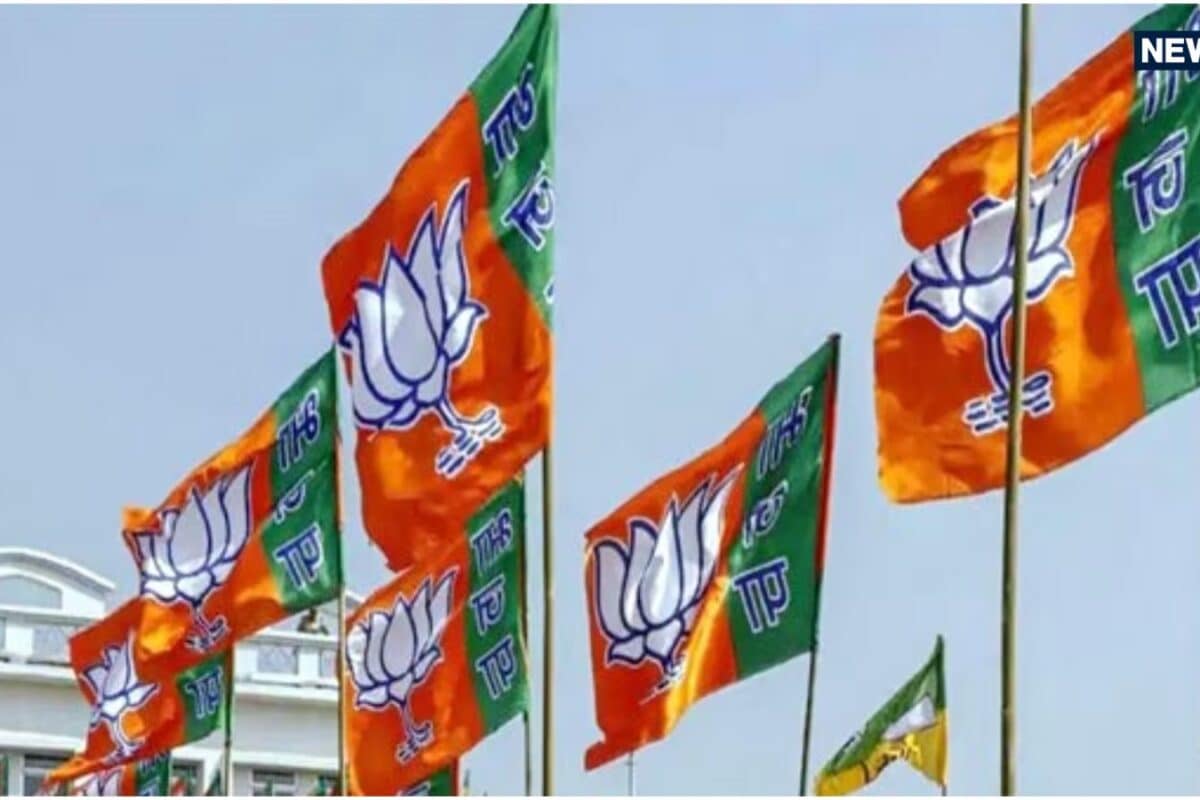
In a major strategic realignment ahead of the upcoming electoral battles, the Bharatiya Janata Party (BJP) in Rajasthan has officially laid down its political blueprint for the 2026 Panchayat elections. With the objective of securing a comprehensive and resounding mandate, the party leadership has moved swiftly to mobilize its organizational apparatus across the state. This calculated maneuver marks the commencement of intense political preparations at the grassroots level, signaling the party's unwavering intent to dominate the rural electoral landscape.
The foundational framework of this electoral strategy revolves around decentralization and targeted regional management. Historically, Panchayat elections in Rajasthan serve as the vital barometer of rural sentiment and grassroots political alignment. Recognizing the immense stakes involved in these local bodies, the party's central and state leadership has initiated structural adjustments to streamline campaign management, resolve internal friction, and consolidate voter support across diverse demographic segments in the state.
As part of this rigorous planning process, the Bharatiya Janata Party has officially established dedicated 'Divisional Election Steering Committees' across all seven administrative divisions of the state, including the crucial Jaipur division. By dividing the state into these seven distinct operational zones, the party aims to execute micro-targeted campaigns that address specific local grievances, infrastructural challenges, and agrarian priorities unique to each geographic region of the state.
Senior organizational leaders and seasoned political heavyweights have been handpicked to helm these divisional committees. The allocation of responsibilities has been conducted with meticulous precision, ensuring that the appointed leaders possess the requisite administrative acumen, regional influence, and mass appeal to galvanize party cadres. Every division has been assigned leaders whose political backgrounds align with the cultural and social dynamics prevailing in those specific areas, thereby minimizing friction and maximizing outreach.
For the Kotputli-Behror region and the broader Jaipur division, these strategic deployments hold immense significance. Local communities, rural representatives, and grassroots workers are actively observing these organizational shifts, anticipating that heightened political engagement will translate into focused developmental discourse. The commercial and agrarian interests tied to the rural economy of this region are expected to witness intense political mobilization as various factions vie for dominance in the upcoming local governance structures.
Administrative machinery and statutory election authorities are simultaneously preparing for the procedural mandates governing the electoral timeline. While the political parties engage in structural mobilization, district administrations across the state are reviewing voter lists, demarcation parameters, and logistical requirements necessary for conducting free, fair, and peaceful polls. The overarching regulatory framework remains under the active oversight of competent state election authorities.
Looking ahead, the formal announcement of these divisional committees initiates a prolonged phase of political campaigning, candidate screening, and manifesto formulation leading up to 2026. Public expectations remain high as both rural and urban constituents await the formal rollout of specific governance agendas by the party. The coming months will witness relentless political activity across Rajasthan as the Bharatiya Janata Party tests its newly established machinery against the realities of rural grassroots politics.