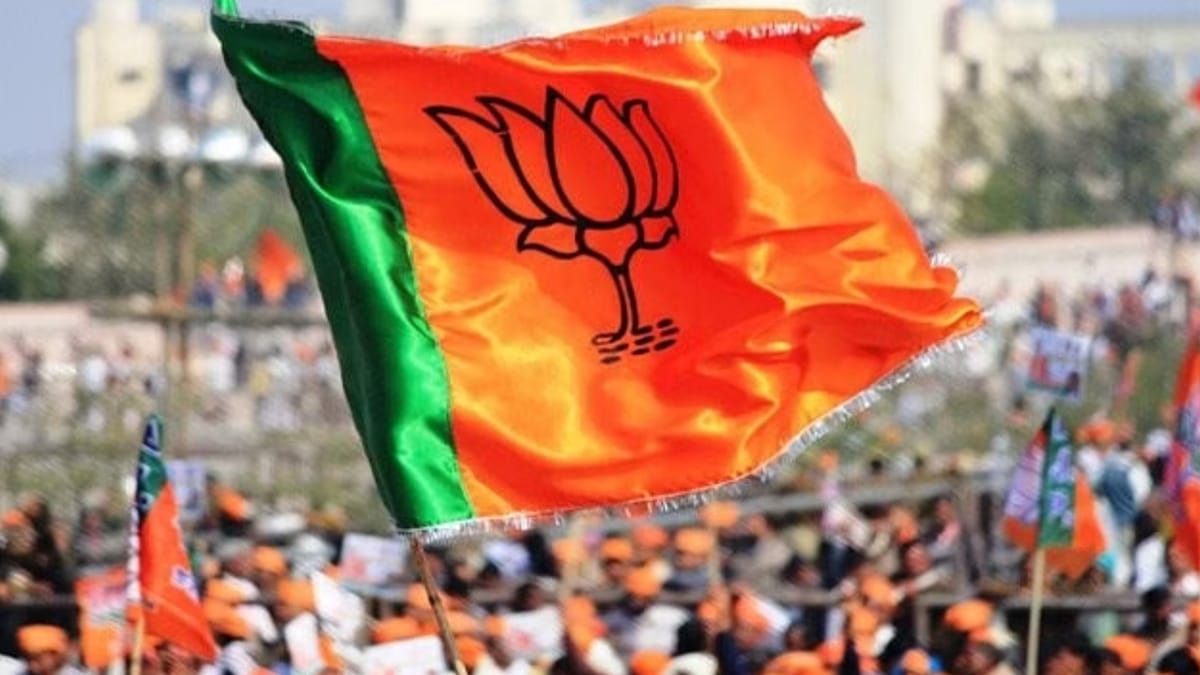
In a significant political development unfolding across Rajasthan, the Bharatiya Janata Party (BJP) officially released its comprehensive election manifesto, known as the Sankalp Patra, on Sunday, setting the political tone for the upcoming Panchayati Raj elections scheduled for 2026. This major announcement has immediately galvanized political activity throughout the state, as party leadership outlined their strategic vision and administrative roadmap for rural governance over the next term.
The release of the Sankalp Patra comes at a crucial juncture in the political landscape of Rajasthan, building upon years of evolving rural local governance and shifting voter expectations. Historically, Panchayati Raj institutions have served as the fundamental bedrock of grassroots democracy in India, making local body elections intensely competitive and deeply impactful for state-level political actors seeking to consolidate their influence across diverse rural constituencies.
As party functionaries detailed the manifesto provisions, attention naturally gravitated toward the logistical frameworks and administrative measures required to implement the envisioned rural development initiatives. While specific financial allocations and phased implementation timelines continue to be scrutinized by policy experts, the overarching commitment focuses heavily on modernizing rural infrastructure, enhancing administrative transparency, and empowering elected village-level representatives.
Reactions from various stakeholders and community representatives have begun to pour in from different corners of the state, reflecting a mixture of cautious optimism and intense political debate. Local residents, grassroots leaders, and political analysts are actively discussing the potential socio-economic ramifications of the pledges made within the document, evaluating how these proposed policy measures will ultimately translate into tangible improvements in the daily lives of rural citizens.
Within regional pockets such as Kotputli-Behror and surrounding districts, the local economic ecosystem and community dynamics are expected to experience direct reverberations as the electoral momentum builds. Local traders, agricultural producers, and rural workers are closely monitoring how the electoral pledges will influence municipal resource distribution, developmental grants, and regional employment opportunities at the grassroots level.
On the administrative front, district authorities and election machinery are simultaneously reviewing preparations to ensure that the electoral process for the 2026 Panchayati Raj elections is conducted smoothly, fairly, and in strict accordance with statutory guidelines. Statutory oversight mechanisms, security arrangements, and logistical planning are being systematically reinforced to manage the anticipated surge in public participation across rural polling booths.
Looking ahead, the release of this Sankalp Patra marks merely the opening salvo in what promises to be a rigorous and highly contested electoral campaign leading up to the 2026 polls. Political parties are expected to intensify their outreach efforts, holding rallies, community meetings, and localized consultations to rally voter support, while citizens await concrete actions and policy execution from their elected representatives.