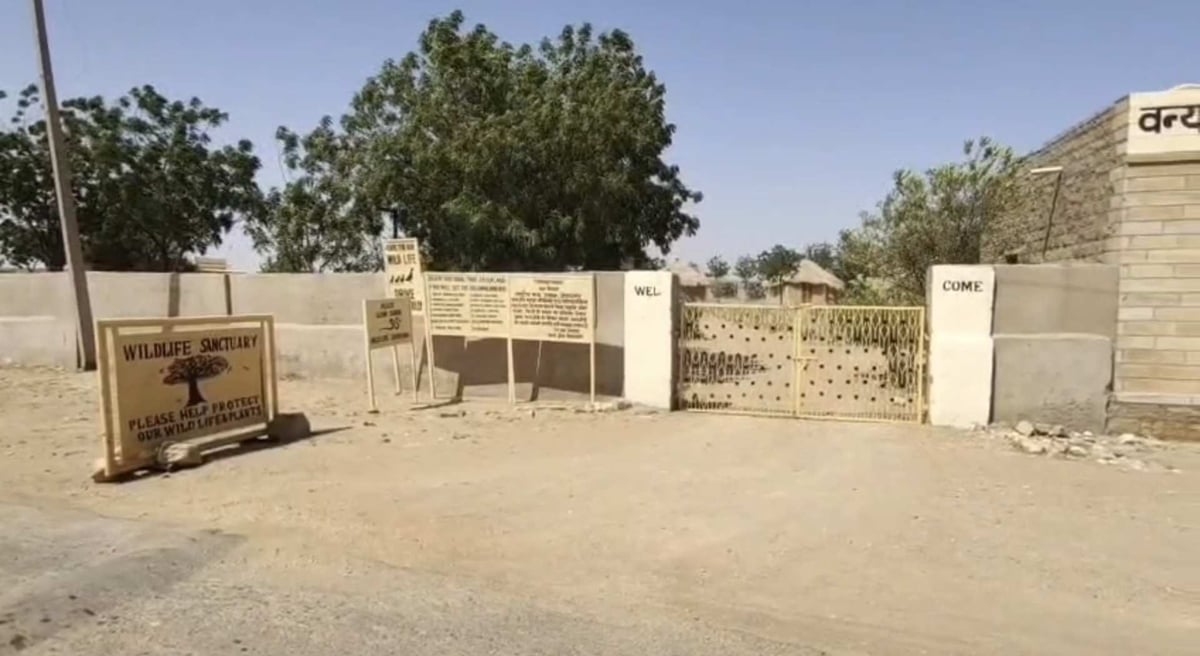
In a landmark development for wildlife conservation in Rajasthan, the official process to resettle the critically endangered state bird, the Great Indian Bustard locally known as Godawan, into its natural habitat has formally commenced in Ramdevra. This ambitious ecological restoration project marks a significant milestone in India's biodiversity preservation efforts, aiming to revive dwindling populations of a species teetering on the absolute brink of extinction through scientific intervention and habitat augmentation.
The conservation framework relies heavily on specialized breeding, rearing, and gradual re-wilding methodologies, drawing vital operational lessons from previous wildlife restoration experiments across the state. Historically, the majestic desert-dwelling bird faced severe population fragmentation due to rapid habitat loss, infrastructural encroachment such as high-tension power transmission lines, and various anthropogenic pressures across the Thar desert landscape.
Addressing the ecological vulnerability of the species, the newly established infrastructural facilities in Ramdevra represent a meticulously planned sanctuary environment designed specifically for the rehabilitation of captive-reared birds before their final integration into the wild. The operationalization of these specialized enclosures underscores the massive logistical and administrative commitment required to manage highly sensitive wildlife conservation zones in desert ecosystems.
During the formal launch proceedings, Union Minister Bhupender Yadav virtually inaugurated the newly constructed Godawan aviary and the accompanying soft release center, signaling strong central backing for regional ecological preservation. Environmental experts, wildlife conservationists, and local administration officials welcomed the virtual inauguration, emphasizing that community participation and robust scientific oversight will be absolutely critical for the long-term survival of the released avians.
While the immediate geographical focus remains centered on Ramdevra, the broader ecological implications resonate deeply across the entire desert region, including surrounding districts and administrative zones dedicated to wildlife preservation. The systematic reintroduction of the state bird is anticipated to boost regional ecological tourism, draw specialized academic research, and foster a renewed sense of environmental stewardship among local rural communities.
Administrative authorities and wildlife department officials have laid out comprehensive operational protocols to monitor the health, flight capabilities, and adaptation behaviors of the birds housed within the aviary and subsequently introduced into the soft release center. Continuous telemetry tracking, veterinary monitoring, and strict perimeter security measures have been integrated into the daily management framework to protect the vulnerable birds from external disturbances and predators.
Looking toward the future, conservationists hold cautious optimism regarding the eventual success of this multi-phased re-wilding initiative, anticipating that Ramdevra will emerge as a national benchmark for avian rehabilitation. As the newly inaugurated facilities commence full-scale operations under expert supervision, the collective focus remains firmly fixed on achieving sustainable population growth for Rajasthan's esteemed state bird in the years ahead.