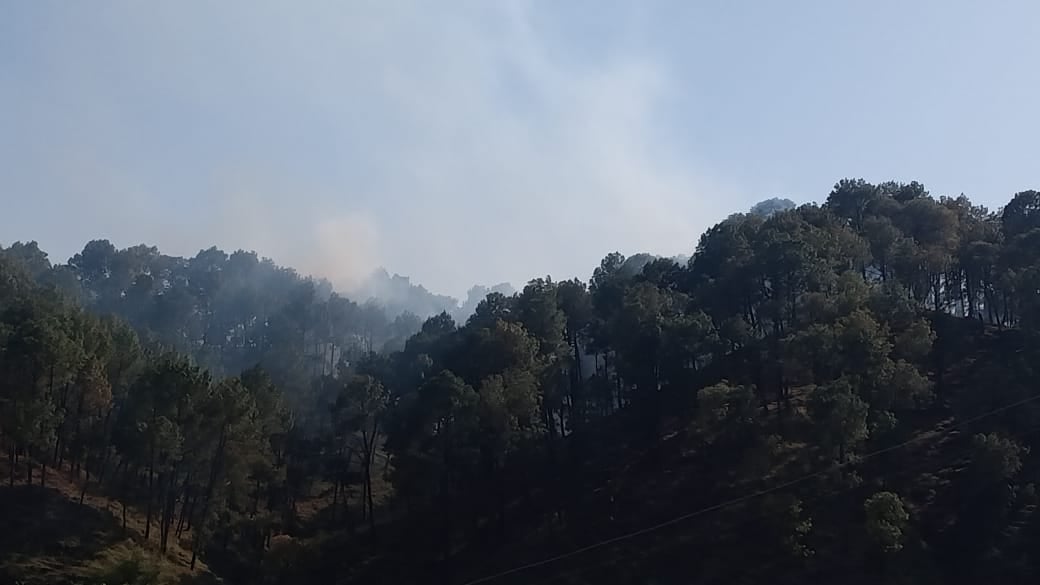
In a landmark administrative decision aimed at fortifying the ecological framework of the state, the government of Rajasthan has officially launched the comprehensive Prithvi project. This high-priority conservation initiative is backed by a substantial financial outlay of 1,500 crore rupees, specifically designated for the preservation and security of forests and wildlife habitats across the region.
The genesis of this strategic environmental program lies in the growing administrative need to address escalating pressures on natural forest reserves and vulnerable wildlife populations. Over recent years, environmental degradation, habitat fragmentation, and human-wildlife conflicts have emerged as critical challenges for forest administrators, necessitating a paradigm shift in how ecological zones are protected and managed.
At the core of the newly instituted 1,500 crore rupees project is a robust modernization plan that integrates cutting-edge technology into routine conservation operations. Most notably, the government has mandated the deployment of advanced artificial intelligence surveillance systems to monitor dense forest areas continuously, ensuring real-time detection of unauthorized human intrusion, poaching activities, and environmental hazards.
Complementing the high-tech surveillance infrastructure, the administrative blueprint places significant emphasis on emergency medical response and tactical wildlife rescue operations. As part of this comprehensive logistical rollout, a dedicated fleet of 291 ambulances will be strategically stationed across various forest divisions to provide immediate medical assistance and safe transit for injured or distressed animals.
For peripheral districts and developing regional zones within Rajasthan, the implementation of this extensive wildlife security initiative carries profound implications for local environmental stability. Communities residing near forested boundaries stand to benefit from reduced risks associated with wild animal dispersal, while local ecosystems receive heightened protection against unlawful exploitation and degradation.
Forest department officials and administrative stakeholders have outlined meticulous standard operating procedures to oversee the execution of the Prithvi project, ensuring transparency, fiscal accountability, and optimal utilization of the allocated 1,500 crore rupees. Specialized training programs are also being formulated for field personnel to effectively operate the newly introduced artificial intelligence monitoring tools and emergency transport vehicles.
Looking ahead, the successful deployment of these multi-faceted conservation measures is expected to establish a benchmark for ecological management within the region. As the administrative machinery rolls out the 291 ambulances and activates the digital surveillance networks, public expectations remain high for a measurable decline in wildlife mortality and a sustained revival of natural forest cover.