
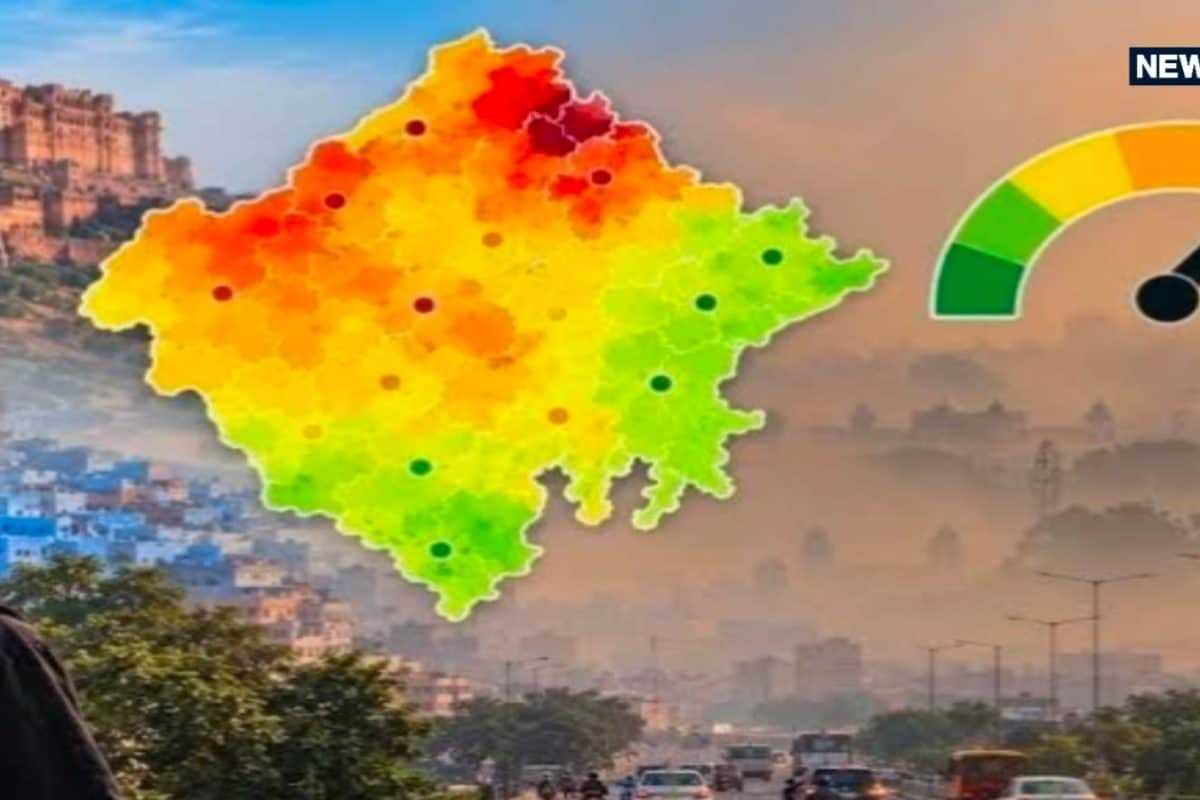
The state of Rajasthan witnessed a severe deterioration in its ambient air quality following extensive firecracker combustion during the Diwali celebrations, according to official data released on 9 November 2026. The widespread bursting of crackers across various urban centres caused airborne pollutants to multiply exponentially, blanketing entire districts in a thick, toxic smog that heavily restricted visibility and severely impacted normal daily routines.
Environmental analysts note that celebratory events during major festivals consistently trigger severe inversions and accumulation of particulate matter across the arid and semi-arid landscape of Rajasthan. Historically, calm wind speeds and dropping seasonal temperatures during late autumn trap industrial emissions, vehicular exhaust, and festive particulate matter close to the ground, creating prolonged smog episodes that persist for several days after the actual festivities conclude.
The ground reality reflects a deeply alarming scenario, with municipal stations reporting unprecedented Air Quality Index spikes across several major hubs. Alwar recorded the highest pollution severity statewide with an AQI touching 465, closely followed by Bhilwara at 430 and Ajmer at 416, all plunging deep into the severe toxic zone. Furthermore, Bharatpur logged an AQI of 369, Chittorgarh registered 340, and Sri Ganganagar recorded 322 on Monday morning, while Bikaner, Bhiwadi, Bhakrasni, and Jaipur similarly suffered under hazardous conditions.
Local residents, community leaders, and medical practitioners expressed grave concern over the sudden collapse of breathable air standards across the affected districts. Citizens reported burning sensations in their eyes, persistent throat irritation, and breathing discomfort, while traders and local workers faced immense operational hurdles navigating the dense, hazardous smog that enveloped commercial marketplaces during early morning hours.
The regional impact of this toxic atmospheric blanket extends far beyond major urban settlements, heavily affecting surrounding rural outskirts, industrial corridors, and local communities dependent on open-air livelihoods. Agricultural labourers, street vendors, and daily wage earners found themselves disproportionately exposed to the severe pollutants, amplifying socio-economic vulnerabilities and straining local health clinics as patient volumes surged with acute respiratory complaints.
In response to the escalating health emergency, the Health Department has stepped in with urgent advisory measures, strongly urging elderly citizens, young children, and individuals suffering from chronic asthma or respiratory ailments to exercise extreme caution. Authorities have officially advised vulnerable populations to avoid unnecessary outdoor exposure, strictly refrain from morning and evening physical exercises in open spaces, and utilize protective masks whenever venturing outside.
Looking ahead, administrative bodies and municipal authorities are closely monitoring meteorological forecasts for any potential shifts in wind velocity or precipitation that could help disperse the trapped pollutants. Public health officials anticipate that strict adherence to safety advisories, coupled with a gradual reduction in residual festive emissions, will be required over the coming days to mitigate health risks and restore acceptable air quality standards across the state.
