
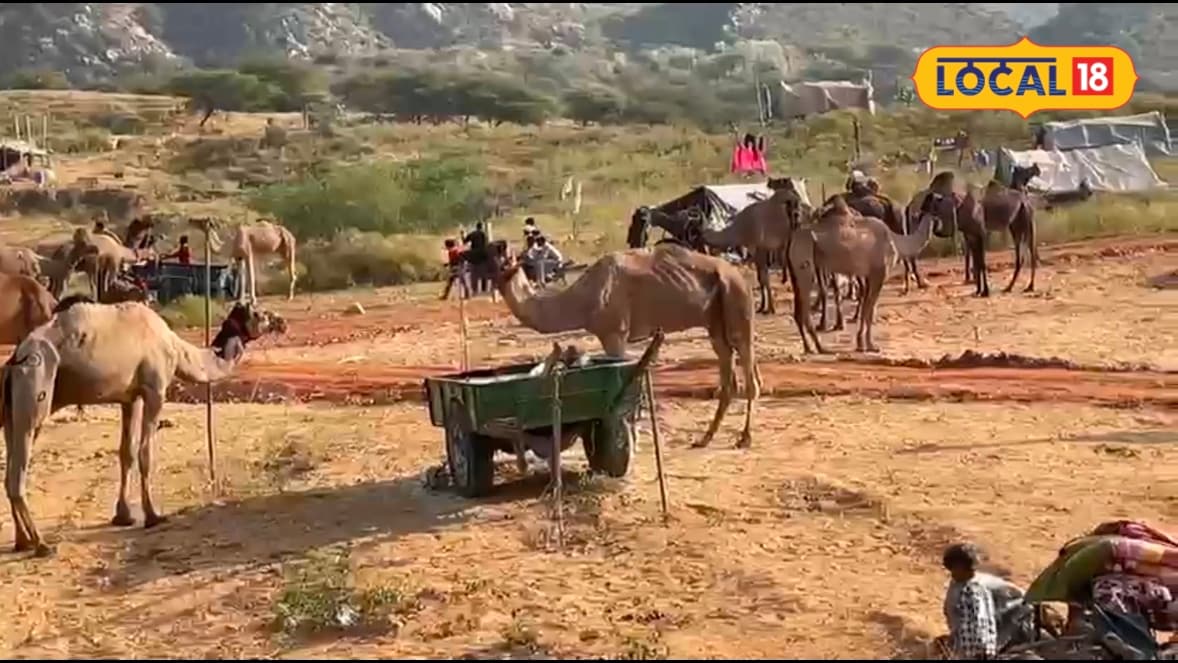
The historic Pushkar Fair in Ajmer has officially entered its preliminary phase with an informal commencement that has drawn livestock breeders and traditional traders from across various states. While the grand, formal inauguration of the prestigious annual festival is slated for November 17, the grounds are already witnessing vibrant activity as herders set up their camps and settle into the vast desert terrain. This early arrival underscores the deep cultural and economic significance of the gathering, which has historically served as a central meeting point for rural communities, artisans, and livestock traders from all corners of the region.
Historically rooted in ancient traditions of cattle trading and religious pilgrimage during the holy Kartik Purnima period, the Pushkar Fair has evolved over centuries into a monumental global cultural spectacle. The event bridges historical commerce and contemporary tourism, drawing international travelers, photographers, and cultural enthusiasts alongside traditional pastoralists. The unhurried journey undertaken by breeders who travel hundreds of kilometers across rugged terrain reflects a generational commitment to preserving the heritage of indigenous livestock rearing and desert culture, maintaining a legacy that has thrived for generations.
On the ground, the logistical scale of the early influx is already becoming apparent as hundreds of animals are accommodated within designated camping zones. According to reports from the expansive fairgrounds, more than 300 camels have already been brought in by breeders originating from Hanumangarh alone, signaling robust participation in this year's livestock markets. Individual pastoralists participating in the early arrivals have noted that their specific contingents consist of approximately 20 to 25 camels per group, highlighting the substantial logistical investment required to transport and care for these resilient desert animals over long distances.
Conversations with pastoralists arriving from distant districts reveal both the enduring pride in traditional animal husbandry and the contemporary economic realities of participating in the fair. A livestock breeder who arrived from Hanumangarh ahead of the informal commencement shared that managing a herd of 20 to 25 camels requires meticulous planning, substantial endurance, and robust community cooperation along transit routes. These participants emphasize that reaching the grounds early allows them to secure prime locations for their camps, ensuring better visibility for potential buyers and more favorable conditions for the livestock after their arduous overland journey.
The ripples of this grand annual gathering extend far beyond the immediate boundaries of Ajmer district, influencing regional commerce, transport networks, and cultural exchanges across the wider geographical landscape including areas like Kotputli-Behror. Transiting herders frequently utilize traditional migratory and transport corridors that connect northern districts like Hanumangarh with central Rajasthan, generating economic activity in rural settlements along the route. Local markets, fodder suppliers, and transport providers experience a seasonal surge in demand, creating an interconnected economic web that supports numerous small enterprises and rural livelihoods throughout the state.
As the informal phase transitions toward the formal inauguration, administrative and municipal authorities are stepping up preparations to ensure smooth management of the vast crowds and livestock populations expected to converge on Pushkar. District officials and local governance bodies are coordinating essential civic services, including veterinary care camps, water distribution points, sanitation facilities, and security arrangements to safeguard both participants and visitors. These administrative measures are crucial for maintaining order, preventing health hazards among the livestock, and upholding the long-standing reputation of the fair as a secure and well-managed international destination.
Looking ahead to the formal commencement on November 17, anticipation continues to build across the fairgrounds and among stakeholders who view this year's gathering as a vital revival of traditional trade volumes. With over 300 camels already registered from Hanumangarh and continuous streams of arrivals from other regions, expectations remain high for a bustling market season. The coming days will witness the gradual unfolding of cultural programs, religious rituals, and commercial negotiations, culminating in a vibrant celebration of Rajasthan's rich heritage that will resonate across the region for weeks to come.
