
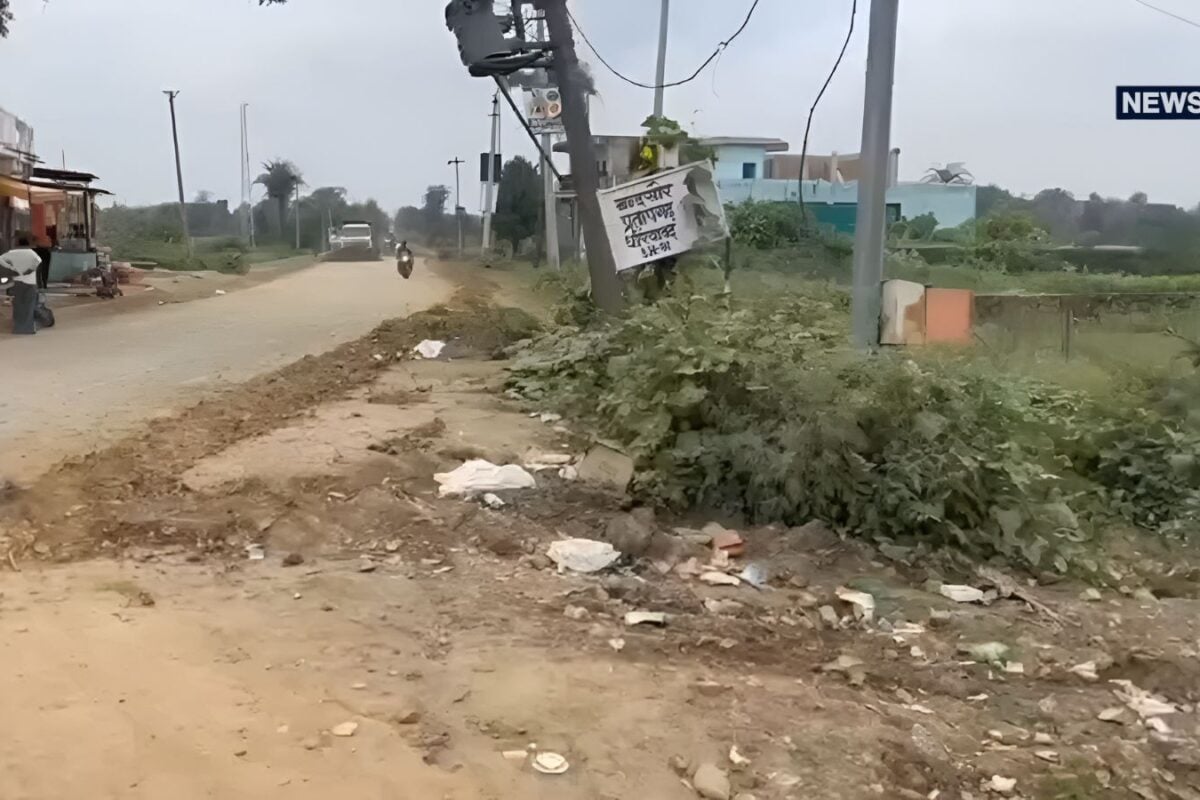
Residents of the Sinhad Gram Panchayat within the Dhariwad sub-division of Pratapgarh district are currently living under extremely hazardous and challenging conditions, deprived of fundamental civic facilities such as safe drinking water, motorable roads, and basic electrical safety. The daily lives of local citizens have been severely disrupted due to persistent administrative apathy, leaving them to fend for themselves amid rapidly deteriorating local infrastructure that poses continuous threats to human life and safety in the region.
The roots of this severe infrastructural crisis stretch back over a significant period, during which local developmental proposals and maintenance schedules have been largely ignored by elected representatives. Historically, the remote settlements within Sinhad Gram Panchayat have struggled with geographic disadvantages, which have been heavily compounded by a systemic lack of governmental oversight and execution of essential public works programs designed to uplift rural habitations.
On the ground level, the community is facing an unprecedented drinking water crisis as local handpumps have broken down completely, and municipal water supply pipelines have failed to deliver water to the households. Compounding this immense hardship is the presence of dangerously sagging power lines carrying an intense 11,000-volt electrical current directly over residential paths, creating a perpetual sword of Damocles hanging over the heads of unsuspecting villagers, children, and livestock.
Expressing deep anguish over the prevailing state of affairs, local villagers have leveled serious allegations against prominent local leaders, specifically naming Pradhan Hakri Devi Meena and Up-Pradhan Ragini Chaudhary. According to the aggrieved residents, these elected officials aggressively sought votes during the election campaign but completely vanished from the area once victorious, failing to visit the troubled village or initiate any remedial measures to address the chronic civic grievances.
The broader socioeconomic implications of this neglect extend far beyond mere inconvenience, severely impacting the local rural economy, daily mobility, and the overall well-being of families residing in Pratapgarh. Without reliable roads for transportation and accessible water sources for daily sustenance, the agricultural productivity and educational continuity of local youth are suffering persistent setbacks, isolating the community from mainstream developmental benefits.
Despite repeated verbal appeals made by the residents to various local authorities, concrete administrative intervention to repair the broken infrastructure and relocate the hazardous 11,000-volt power lines has been disappointingly sluggish. Public accountability mechanisms appear to have stalled, leaving community members frustrated by bureaucratic delays and an apparent unwillingness among district functionaries to address these life-threatening safety violations.
Looking forward, the residents of Sinhad Gram Panchayat have warned of intensified democratic protests if the concerned district administration, along with local representatives like Pradhan Hakri Devi Meena and Up-Pradhan Ragini Chaudhary, fail to initiate immediate repair works. The immediate timeline demands urgent replacement of defunct handpumps, extension of water pipelines, stabilization of roads, and proper insulation or rerouting of high-tension electrical cables to safeguard human lives.