
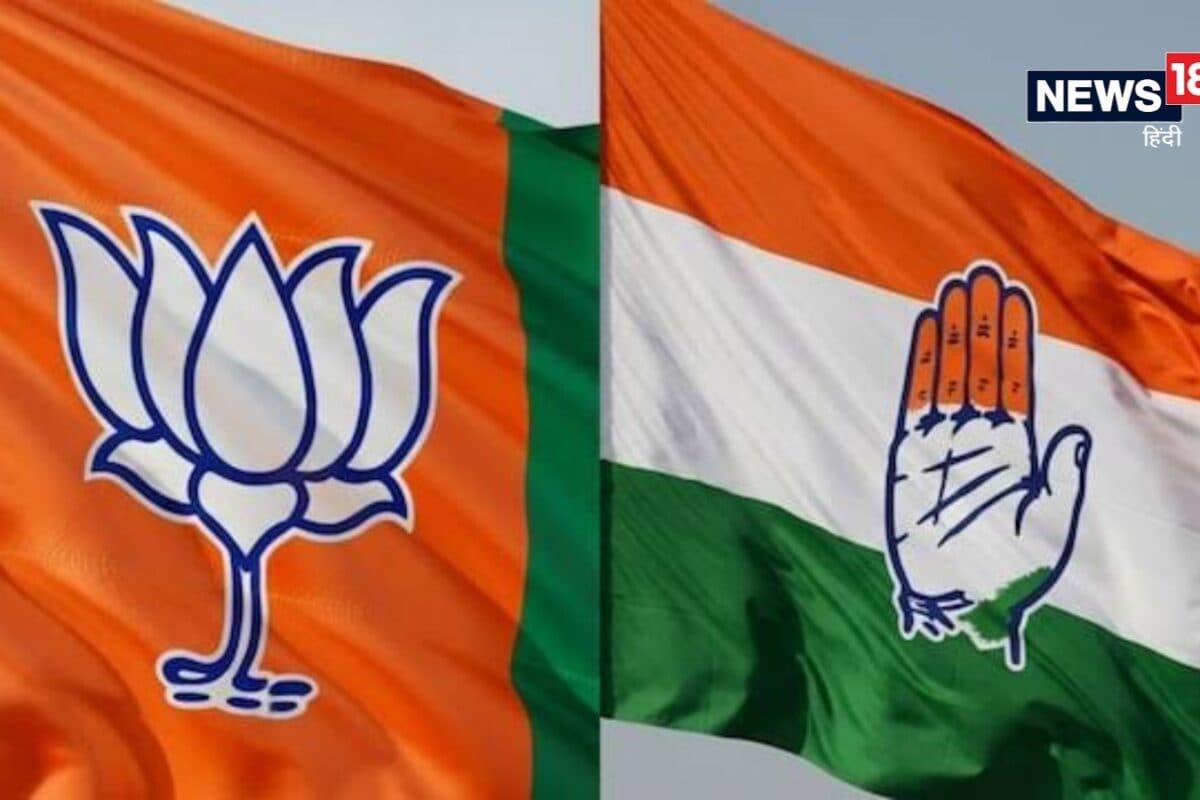
The political arena of Rajasthan erupted in fierce controversy following the declaration of the local body election results for the year 2026. The electoral outcomes immediately triggered contrasting narratives from the ruling Bharatiya Janata Party and the opposition Congress, setting the stage for a prolonged political standoff across various districts of the state.
Historically, local body elections in Rajasthan serve as a crucial barometer of grassroots political sentiment, reflecting the shifting allegiances of urban and semi-urban voters. The 2026 polls were anticipated with high stakes by all major political formations, as these grassroots institutions manage municipal governance, local development funds, and civic amenities that directly impact daily citizen life.
Following the release of the official outcome tallies, the ruling administration plunged into celebrations, viewing the electoral outcome as a definitive endorsement of their governance model. However, the opposition parties engaged in rigorous data analysis to present an entirely alternative perspective on the mandate, highlighting discrepancies and questioning the sheer volume of seats secured by the ruling establishment.
Chief Minister Bhajanlal Sharma openly expressed his gratitude to the electorate, addressing party cadres and supporters by declaring the electoral triumph as a direct reflection of public trust and blessings. He emphasized that the mandate demonstrates widespread approval of the government's developmental policies and administrative efficiency at the grassroots level.
Countering the ruling party's celebratory narrative, senior Congress leader Dotasra launched a sharp critique, directly challenging the authenticity of the BJP's electoral dominance. Dotasra alleged that the administrative delimitation process conducted prior to the elections was heavily compromised through unfair means, asserting that without such systematic manipulation, the ruling party could never have secured such a high volume of seats.
The administrative machinery and electoral oversight bodies faced intense scrutiny from political detractors regarding the transparency of boundary demarcations. Opposition representatives maintained that strategic alterations in ward boundaries distorted the true political representation of local communities, thereby undermining the foundational principles of fair democratic competition.
As the dust settles on the 2026 local body electoral battle, political analysts project a continued legislative and public relations duel between the BJP and the Congress. The unfolding debates over delimitation fairness and electoral integrity are expected to resonate deeply within upcoming political discourse and legislative sessions across the state of Rajasthan.