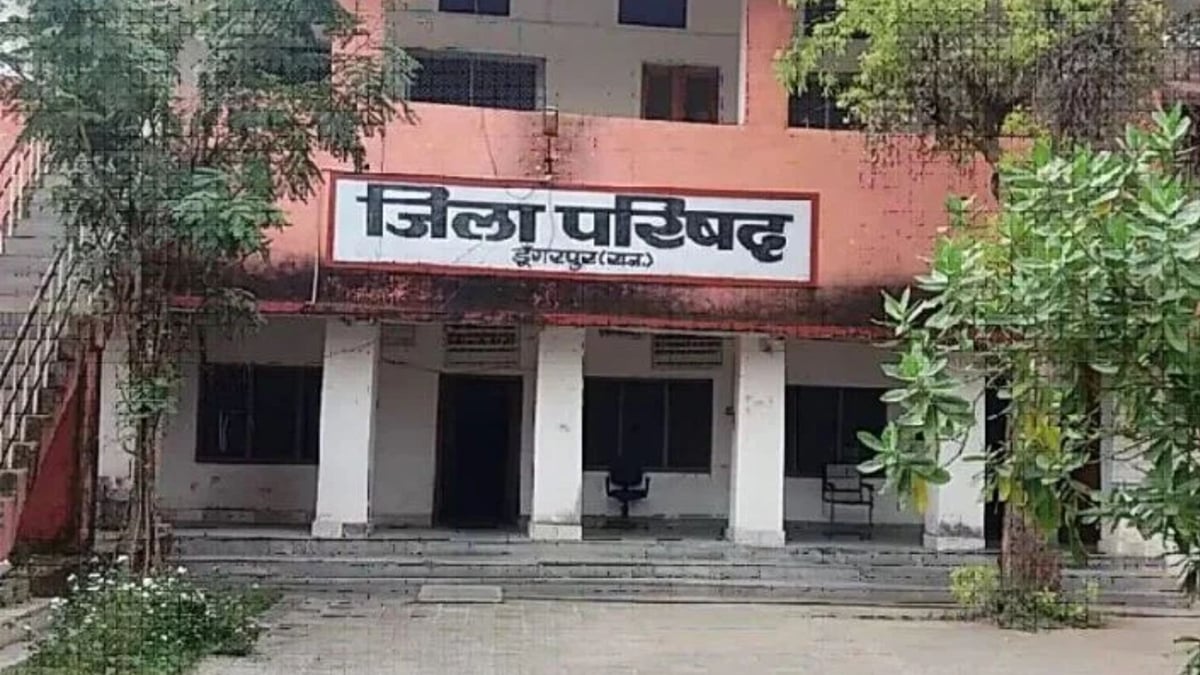
The political landscape is witnessing a tense standoff as the administrative machinery accelerates preparations for the upcoming Panchayati Raj elections, which are scheduled to be conducted across four distinct phases. With the official notification for the first phase already promulgated by the competent election authorities, political circles have shifted into high gear, heightening anticipation among rural voters and prospective candidates alike.
Historically, local self-governance elections in rural administrative units serve as a foundational test of grassroots political strength and organizational depth for all major parties. The current electoral battleground involves significant political weight, carrying immense implications for rural development policies, local resource allocation, and grassroots leadership consolidation across the districts.
Despite the formal commencement of the electoral calendar, the political sphere remains remarkably cautious and tight-lipped. Major political organizations, specifically the Bharatiya Janata Party, the Indian National Congress, and the Bharat Adivasi Party, have conspicuously refrained from disclosing their candidate rosters for the initial phase of polling. This strategic hesitancy underscores a deeply tactical approach to local governance elections.
Political analysts and veteran observers note that the deliberate delay by major parties stems from a mutual strategy of psychological warfare and tactical positioning. Party strategists within the Bharatiya Janata Party, the Indian National Congress, and the Bharat Adivasi Party are actively monitoring rival camps to assess caste equations, local dissent, and potential rebellion before finalizing their own official nominees.
The administrative timeline dictates that the political suspense will only intensify further in the coming days. Following the current phase, the formal notification for the second phase of the Panchayati Raj elections is scheduled to be issued in just two days, adding another layer of urgency to the already compressed political calendar.
As the clock ticks toward nomination deadlines and scrutiny dates, local party offices remain flooded with aspirants and ticket seekers lobbying for endorsement. Yet, the leadership across the Bharatiya Janata Party, the Indian National Congress, and the Bharat Adivasi Party continues to maintain absolute secrecy regarding their final selections, waiting for the opponent's cards to be laid on the table.
Ultimately, the unfolding scenario highlights a complex chess game where patience and strategy outweigh early disclosures. Observers and citizens across rural constituencies now await the impending breakthrough, as the release of consecutive phase notifications forces political parties out of their tactical silence into open electoral combat.