
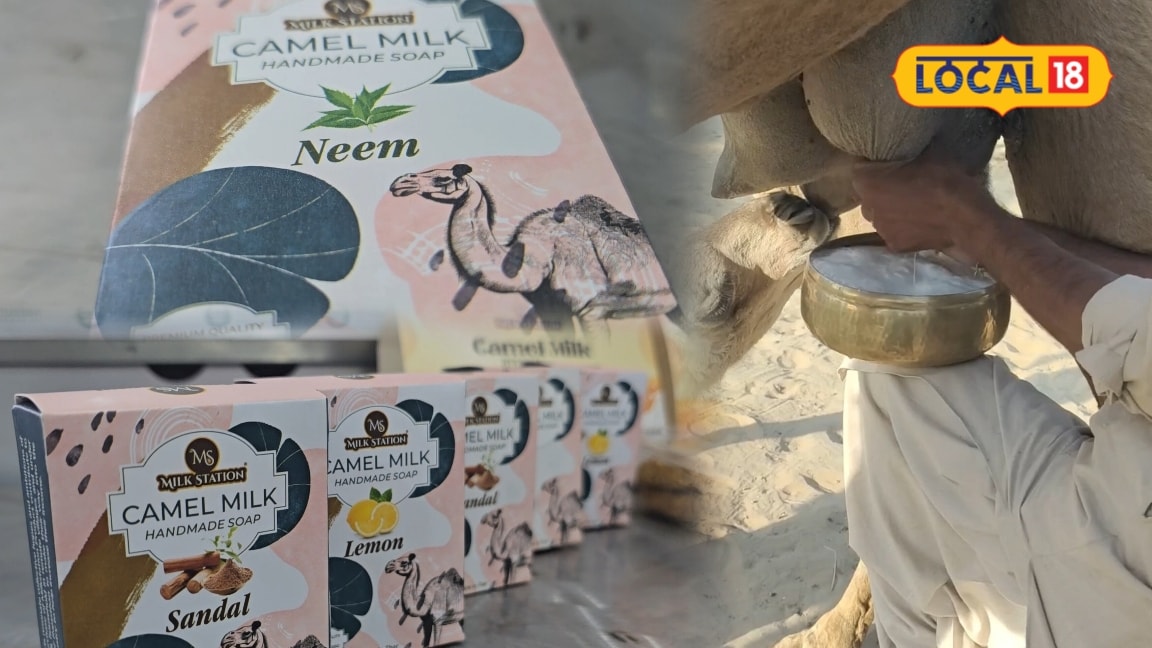
In an inspiring display of rural entrepreneurship and value addition, a young farmer from Pali named Nirmal Chaudhary has embarked on a transformative business venture by manufacturing natural soaps from camel milk. Rather than relying solely on traditional methods of raw milk distribution, this innovative initiative converts camel milk into high-value commercial cosmetic products that are witnessing a steady rise in market demand. The project fundamentally alters how dairy derivatives from unconventional livestock are commercialized, offering a sustainable alternative for pastoralist communities facing severe market limitations.
The genesis of this enterprise lies in the profound geographical and logistical hurdles associated with preserving and transporting fresh camel milk across extensive distances. Fresh camel milk possesses unique properties and a remarkably short shelf life under ambient conditions, making long-distance distribution economically unviable and technically challenging for rural producers. Recognizing these systemic bottlenecks, Nirmal Chaudhary conceived a localized utilization strategy that converts the perishable commodity into a stable, value-added consumer good right at the grassroots level, thereby eliminating heavy transportation overheads.
At the heart of this operational model is a robust community-centric framework that directly impacts the regional economy of Pali. Currently, more than 35 camel-herder families have become intricately integrated into this supply chain, securing a dependable and continuous source of income that was previously nonexistent due to fluctuating raw milk sales. By establishing this localized manufacturing ecosystem, the venture successfully bridges the gap between traditional pastoral livelihoods and modern consumer markets, ensuring that primary producers receive fair and consistent financial returns for their labor.
Furthermore, the manufacturing process has been intentionally decentralized to foster inclusive economic growth within rural households. Local women residing in the vicinity have been empowered to participate actively in the production cycle, learning the intricacies of crafting natural soaps directly from their homes. This structured domestic participation not only supplements household incomes but also builds technical capacity among rural women, transforming them into self-reliant economic contributors within their respective communities and villages.
The broader socioeconomic implications of this initiative extend significantly across the region, offering a viable blueprint for rural development and agrarian diversification. As traditional livestock rearing faces mounting economic pressures, innovative models that emphasize value addition rather than raw commodity liquidation are becoming increasingly essential for rural survival. The successful integration of camel milk into skincare manufacturing demonstrates that indigenous knowledge combined with entrepreneurial vision can effectively counteract systemic economic vulnerabilities faced by marginal farming communities.
Looking forward, the continuous expansion of this enterprise relies heavily on systematic institutional support, improved quality standardization, and wider market outreach programs. Stakeholders and agricultural experts emphasize the necessity of structured administrative backing and financial assistance to help such grassroots innovations scale effectively. Ensuring proper training facilities and regulatory certifications will further validate these indigenous products, enabling them to compete favorably in broader national and international markets.
Ultimately, the pioneering endeavor spearheaded by Nirmal Chaudhary in Pali establishes a commendable precedent for agricultural innovation across the state and the country. By converting a logistical disadvantage into a thriving commercial opportunity, this initiative proves that sustainable rural development is achievable through localized resource optimization. As consumer awareness regarding organic and natural products continues to grow, this camel milk soap venture stands poised for sustained commercial viability and long-term community empowerment.