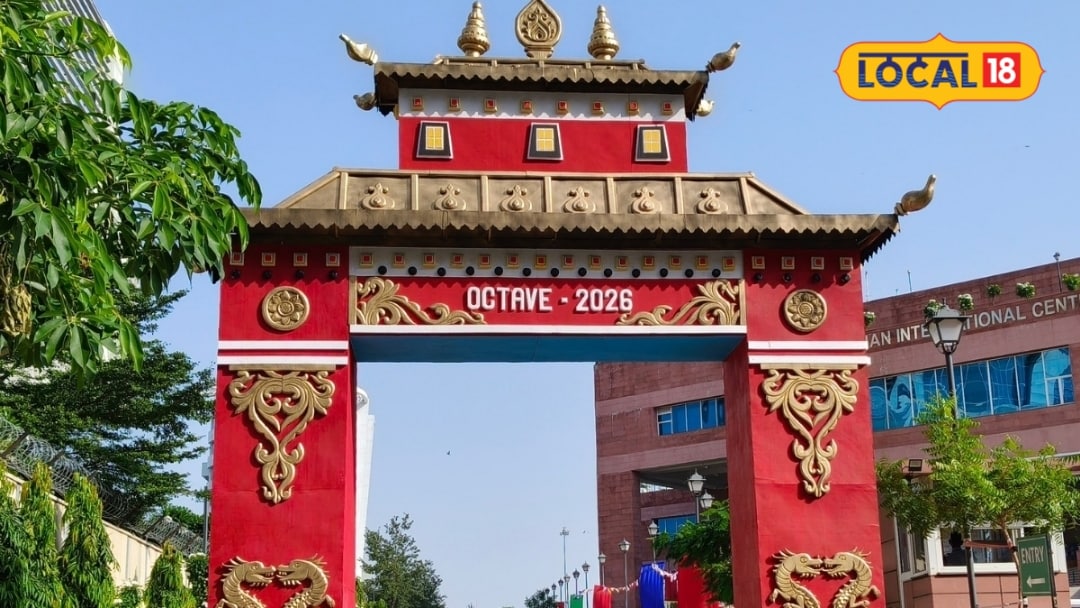
In a monumental development for art and culture enthusiasts, the prestigious cultural festival 'Octave 2026' is officially returning to the vibrant city of Jaipur after a significant gap of ten years. This comprehensive four-day cultural extravaganza is scheduled to be hosted from October 1 to October 4 at the prominent Rajasthan International Center, marking a major milestone for cultural exchange in the region and bringing rare artistic traditions back to the forefront.
Tracing the historical context, the Octave festival has long served as a vital bridge connecting the diverse and mesmerizing traditions of northeastern India with the rest of the country. Over the past decade, art aficionados across Rajasthan have eagerly awaited the return of this festival, which historically provided an immersive window into the lifestyles, music, and heritage of the easternmost states, thereby fostering national integration and mutual appreciation.
Delving into the ground reality and structural logistics of the upcoming event, the four-day festival is meticulously organized to accommodate representations from all eight participating states of the northeastern region. The comprehensive schedule includes extensive exhibitions, live performances, and artisan showcases, reflecting the massive scale and rigorous planning required to manage delegations, traditional displays, and visitor footfall over the designated dates.
Gathering perspectives from cultural stakeholders, organizers, and community representatives, the enthusiasm surrounding the return of the festival is exceptionally high. Prominent cultural patrons and local artisans have expressed immense optimism, noting that such large-scale events not only celebrate indigenous artistry but also provide vital commercial and exposure platforms for traditional craftsmen, weavers, and performers from remote parts of the country.
Examining the broader regional impact, the ripple effects of this mega-cultural event are expected to extend beyond the capital city, touching neighboring administrative districts including Kotputli-Behror. Local educational institutions, art students, and tourism stakeholders in the surrounding areas are anticipated to benefit from the influx of cultural tourism, academic workshops, and heightened public interest in classical and folk preservation.
On the administrative and organizational front, specialized committees have been constituted to oversee the seamless execution of the festival at the Rajasthan International Center. Stringent logistical measures, security protocols, and hospitality arrangements are being finalized by local authorities and event coordinators to ensure that the international and domestic delegations experience world-class facilities throughout the four-day schedule.
Looking forward toward the future outlook and public expectations, the inaugural day on October 1 is projected to draw thousands of visitors, dignitaries, and cultural enthusiasts. As preparations advance rapidly toward the final timeline, the overarching objective remains focused on celebrating India's rich pluralistic heritage, establishing lasting cultural ties, and setting a high benchmark for future inter-state artistic collaborations.