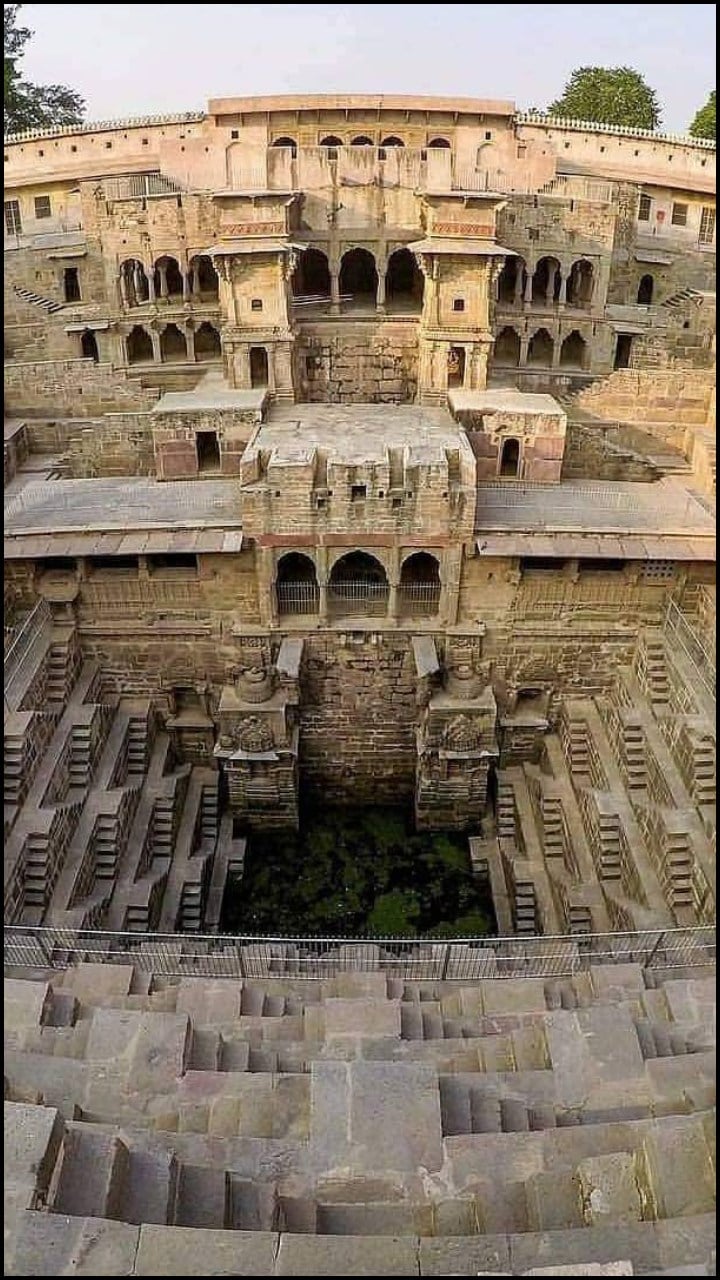
Historically, these stepwells served as vital community lifelines, functioning not only as dependable water harvesting structures during times of drought but also as important social and cultural gathering hubs. Over the generations, urban expansion and rural neglect transformed these magnificent structures into neglected dumping grounds. The ecological deterioration of these sites has directly impacted local groundwater recharge mechanisms and compromised the aesthetic landscape of historical trails across the region.
Addressing the gravity of the situation, the judicial order explicitly mandates the total eradication of all forms of garbage, debris, and solid waste choking the water basins of the eight identified historical structures. Furthermore, local authorities are strictly directed to establish designated buffer zones around each stepwell perimeter to permanently prevent future commercial and residential encroachments. These boundaries will act as protected shields against unauthorized construction and unregulated land usage.
Local heritage conservationists, community elders, and civil society representatives have overwhelmingly welcomed the judicial directive, emphasizing that immediate mechanical and manual cleanup operations are long overdue. Residents living in the vicinity of these historical stepwells have frequently voiced their concerns regarding foul odors, vector-borne disease outbreaks, and the complete loss of civic dignity surrounding these monuments. Public stakeholders have urged municipal bodies to execute the tribunal's orders with absolute transparency and uncompromised urgency.
To ensure flawless compliance and continuous monitoring, the National Green Tribunal has directed the formation of a high-powered joint committee comprising officials from four distinct administrative departments. This inter-departmental task force will shoulder the responsibility of conducting regular physical inspections, evaluating progress reports submitted by local civic agencies, and taking punitive actions against any entities violating environmental norms or encroaching upon the newly established buffer zones.
Looking forward, the execution phase of these conservation directives will test the administrative efficiency and coordination capacity of the newly formed four-department committee. As civil authorities begin the massive logistical task of clearing debris and establishing protective perimeters, citizens and heritage experts remain hopeful that these ancient architectural marvels will finally regain their lost glory, functioning once again as pristine symbols of environmental sustainability and cultural pride.