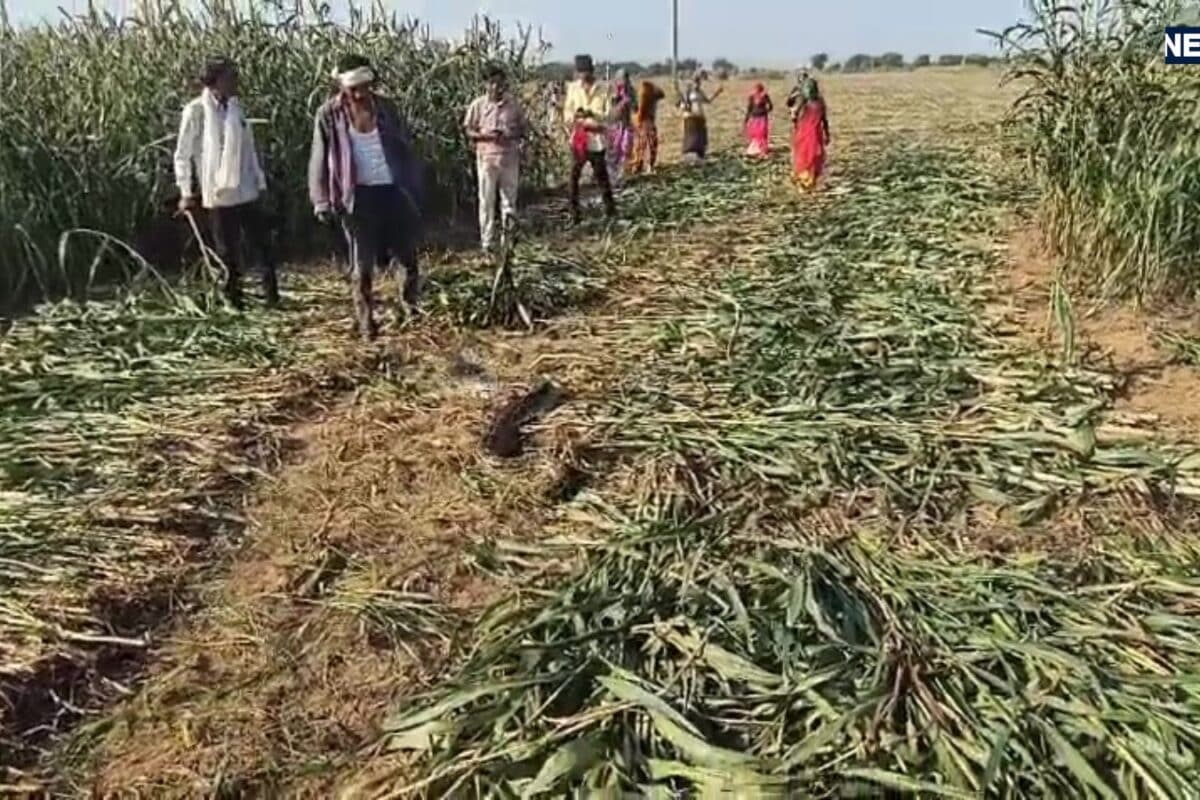
A wave of panic and intense curiosity swept through the rural landscape of Dausa district when a massive python was discovered sheltering in an agricultural field. The reptile, measuring an impressive 12 feet in length, had taken up residence in the region for two consecutive days before its presence came to light. The incident unfolded during routine farming operations, disrupting normal daily activities and drawing immediate attention from the local farming community.
Agricultural fields in rural Rajasthan frequently serve as temporary transit routes or resting places for local wildlife, particularly during seasonal harvesting periods when human activity intensifies. As farmers and labourers enter their fields for crop collection, encounters with indigenous fauna occasionally occur. However, the discovery of a reptile of such monumental proportions is a rare and startling event that immediately alters the dynamics of daily agricultural labour in the affected villages.
The situation escalated when female agricultural labourers, engaged in harvesting pearl millet crops in the area, stumbled upon the colossal snake resting within the vegetation. Recognizing the potential danger posed by the presence of a predator weighing in excess of 40 kilograms, the workers immediately raised an alarm. Word of the discovery spread rapidly across the village, prompting a massive gathering of curious onlookers and concerned residents who rushed to the site to witness the unusual spectacle.
Despite the gathering crowds and the inherent tension surrounding the presence of such a large wild animal, community members maintained a cautious distance while awaiting professional intervention. Local leaders and farmers recognized the importance of avoiding aggressive actions against the protected reptile, choosing instead to prioritize the safety of both the villagers and the wildlife by immediately reporting the matter to the appropriate governmental authorities.
The ecological implications of such wildlife encounters highlight the delicate coexistence between expanding rural settlements and native fauna within the broader region. As agricultural boundaries continue to interact with natural habitats, local administration and environmental departments face the ongoing challenge of managing human-wildlife interactions smoothly. Ensuring community safety while preserving indigenous species remains a critical priority for local authorities overseeing rural districts.
Prompted by urgent calls from the villagers, a specialized team from the forest department was swiftly dispatched to the location to assess the gravity of the situation. Upon arrival, forest personnel established a secure perimeter to manage the swelling crowd of spectators and initiated a careful tactical approach to secure the heavy reptile without causing injury to the animal or the gathered citizens.
Following a prolonged and cautious operation requiring considerable effort and technical expertise, the forest department successfully secured the 40-kilogram python. The reptile was safely transferred into specialized transport equipment and scheduled for relocation to a secure, natural forest habitat far from human habitation, thereby concluding a tense multi-day episode for the residents of the area.