
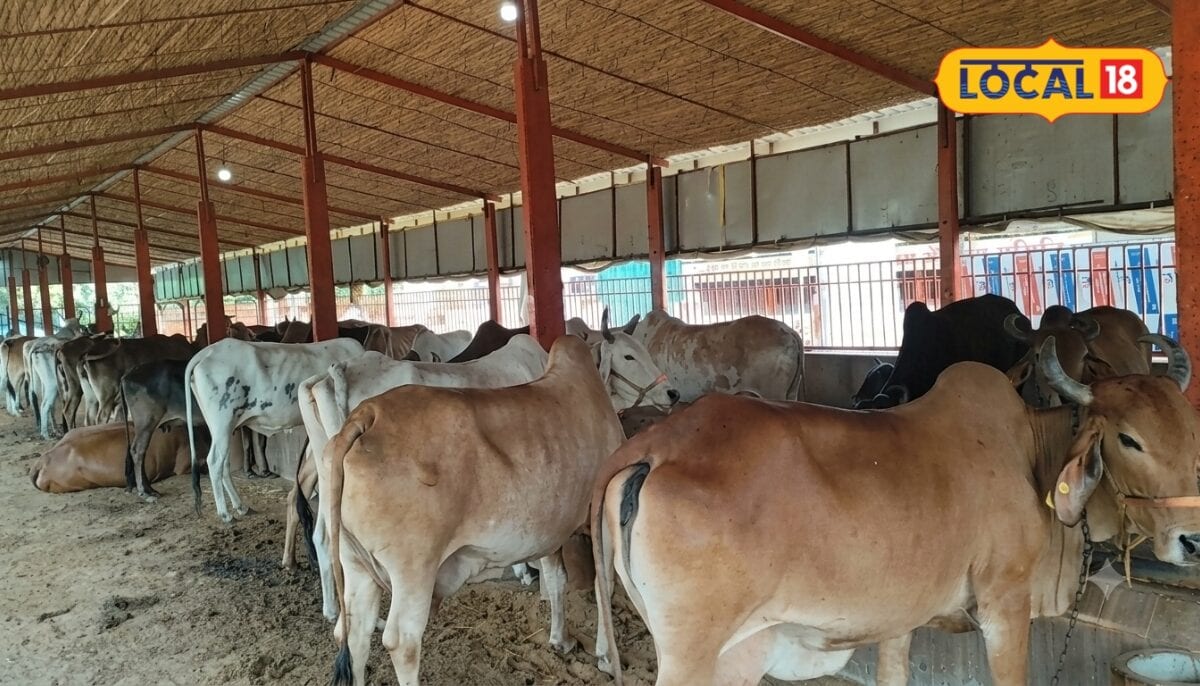
Livestock owners across Rajasthan are grappling with a renewed and severe health crisis as Lumpy Skin Disease continues to pose a significant threat to cattle, particularly cows and buffaloes. The viral affliction has triggered widespread anxiety within agricultural and dairy-dependent communities throughout the region. Local authorities and agricultural extension networks are closely monitoring the epidemiological spread of the infection as rural livelihoods face unprecedented pressure.
According to veterinary experts, the pathological root of this condition lies within the capripoxvirus family, which targets bovine species with high morbidity rates. The virus is primarily transmitted through vectors such as mosquitoes, flies, and ticks, making seasonal environmental conditions a critical factor in the dissemination of the disease. Understanding this vector-borne transmission mechanism remains vital for designing effective containment strategies at the village and district levels.
On-the-ground observations indicate that infected animals exhibit distinct and distressing clinical symptoms that severely deteriorate their physical condition. Veterinarian Vishal Prajapati noted that the primary clinical manifestations include a sudden onset of high fever, followed by the development of firm, hard nodules across the entire skin surface. Additional physical complications involve a drastic reduction in daily milk yield and progressive physical weakness, which deeply distresses dairy farmers who depend on steady milk production for their sustenance.
The financial and logistical stakes for rural families are exceptionally high, as dairy farming forms the backbone of the rural economy in many parts of Rajasthan. Farmers have expressed deep concern over the potential economic losses resulting from decreased milk yields and the high cost of medical intervention for affected livestock. Local dairy cooperatives and community leaders are actively engaging with veterinary departments to ensure that accurate information reaches every household.
The regional impact within veterinary jurisdictions across Rajasthan underscores the urgent need for a coordinated community response. Given the rapid transmission rates facilitated by flying vectors, localized containment efforts often prove insufficient without broad regional synchronization. District-level agricultural bodies are working to map infection clusters and deploy necessary medical supplies to rural outposts where livestock dependency is absolute.
Administrative oversight and proactive veterinary measures are currently being intensified to counter the spread of the capripoxvirus. Veterinary professionals are urging all livestock owners to adopt preventive protocols, which include timely administrative vaccinations, rigorous cleaning of animal shelters, and comprehensive pest control measures. These structural interventions are deemed essential for breaking the transmission cycle of the vector-borne pathogen.
Looking ahead, the primary focus of veterinary departments remains centered on mass immunization campaigns and public awareness drives across rural Rajasthan. Public health officials emphasize that early detection and immediate reporting of symptoms to qualified professionals can significantly improve recovery rates. Continued vigilance, sustained sanitation practices, and adherence to professional medical advice will determine the long-term stabilization of the livestock sector against this viral threat.