
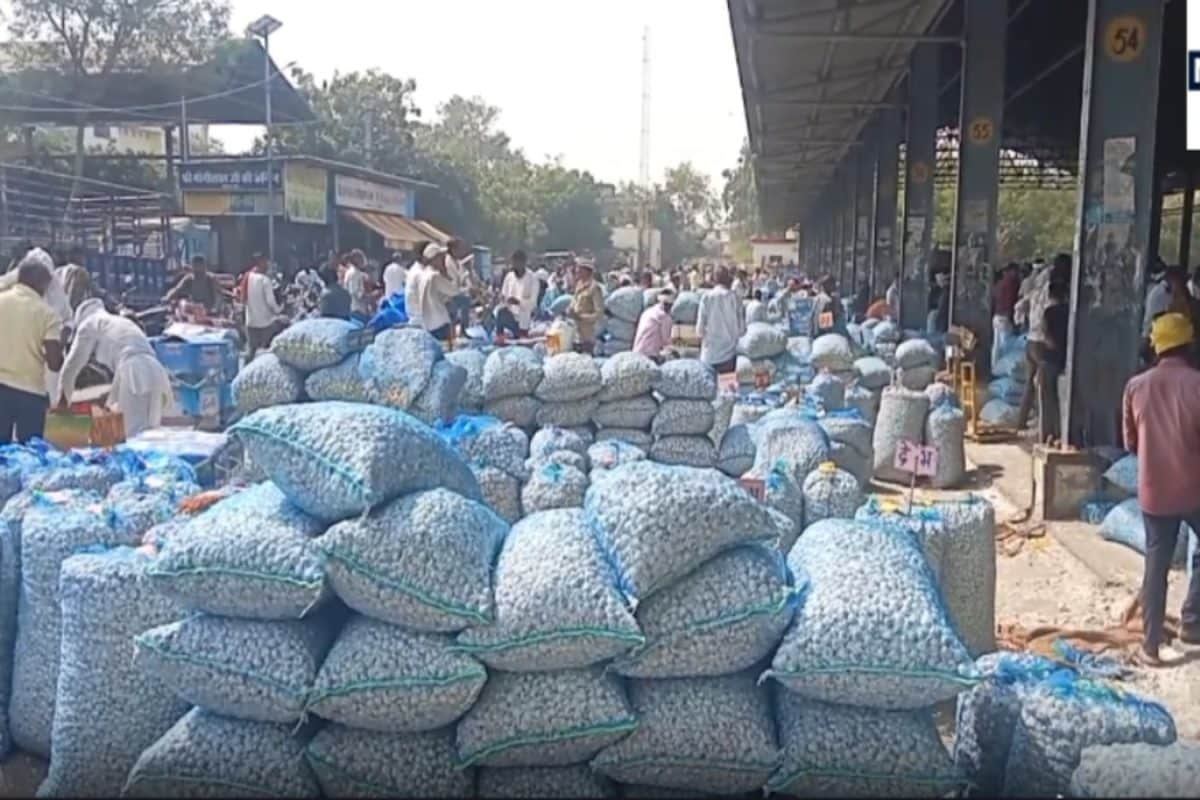
The agricultural markets of Rajasthan are currently experiencing a historic surge in commodity valuations, most notably centered around the high-value spice trade originating from the Hadoti region. At the focal point of this commercial activity is the Bhamashah Mandi in Kota, which has emerged as a premier trading hub for produce that is drawing intense commercial interest from across the nation. Traders, commission agents, and agricultural producers are converging on the trading floor as transactions reach unprecedented financial scales, fundamentally altering the seasonal economic landscape for rural producers.
Historically, the Hadoti region has maintained a formidable reputation for cultivating superior agricultural commodities, with garlic standing out as a primary cash crop that dictates regional prosperity. The favorable agro-climatic conditions intrinsic to the districts comprising Hadoti have consistently yielded crops characterized by high oil content, strong pungency, and exceptional shelf life. These inherent botanical qualities have historically positioned local harvests favorably within domestic commodity exchanges, setting the stage for the current high-valuation episodes that are rippling through the marketplace.
Observational data from the trading floors indicates that the marketplace is currently flooded with robust supplies, recording daily arrivals of approximately 9 thousand bags of garlic at the Bhamashah Mandi alone. Despite this substantial volume entering the supply chain simultaneously, basic economic principles of supply and demand are being outpaced by voracious commercial appetite. Premium lots featuring superior bulb size, color, and moisture content are commanding phenomenal valuations, scaling peaks of up to 22,000 rupees per quintal during competitive bidding sessions.
Market analysts and agricultural economists point toward a synchronized web of inter-state demand as the primary catalyst behind these astronomical pricing milestones. Commercial syndicates and wholesale distributors representing diverse distant territories—specifically Punjab, Gujarat, Maharashtra, and West Bengal—have maintained an aggressive procurement stance within the Bhamashah Mandi. This widespread geographical footprint of buyers underscores the indispensable role that Hadoti's agricultural output plays in fulfilling nationwide culinary and industrial requirements during the current season.
While the immediate geographical impact is concentrated around the primary trading centers of Kota and the surrounding Hadoti districts, the financial ripple effects extend deeply into auxiliary rural economies, including areas aligned with the broader agricultural corridors of Rajasthan. Farming households that weathered challenging input costs and unpredictable weather patterns earlier in the agricultural cycle are now realizing substantial returns on their investments. This influx of capital into rural households is expected to stimulate local commerce, debt alleviation, and preparatory investments for subsequent sowing seasons.
Regulatory oversight and mandi administration committees are closely monitoring the continuous influx of produce to ensure transparent auction procedures, efficient weighment protocols, and timely financial settlements between buyers and sellers. Administrative measures have been reinforced within the Bhamashah Mandi premises to manage the heavy logistical congestion caused by the daily arrival of nearly 9 thousand bags of agricultural produce. These administrative interventions aim to safeguard the interests of both marginal farmers and bulk traders, maintaining order amidst intense trading activity.
Looking ahead, market participants anticipate that the bullish trend in garlic valuations will persist as long as inter-state requisition orders from states like Punjab, Gujarat, Maharashtra, and West Bengal remain unexhausted. Agricultural extension agencies are advising producers to maintain strict quality standards during post-harvest handling to capitalize fully on the prevailing high market rates. As trading operations continue at a brisk pace, the current season is well on its way to cementing a landmark chapter in the economic history of the region's agricultural trade.
