
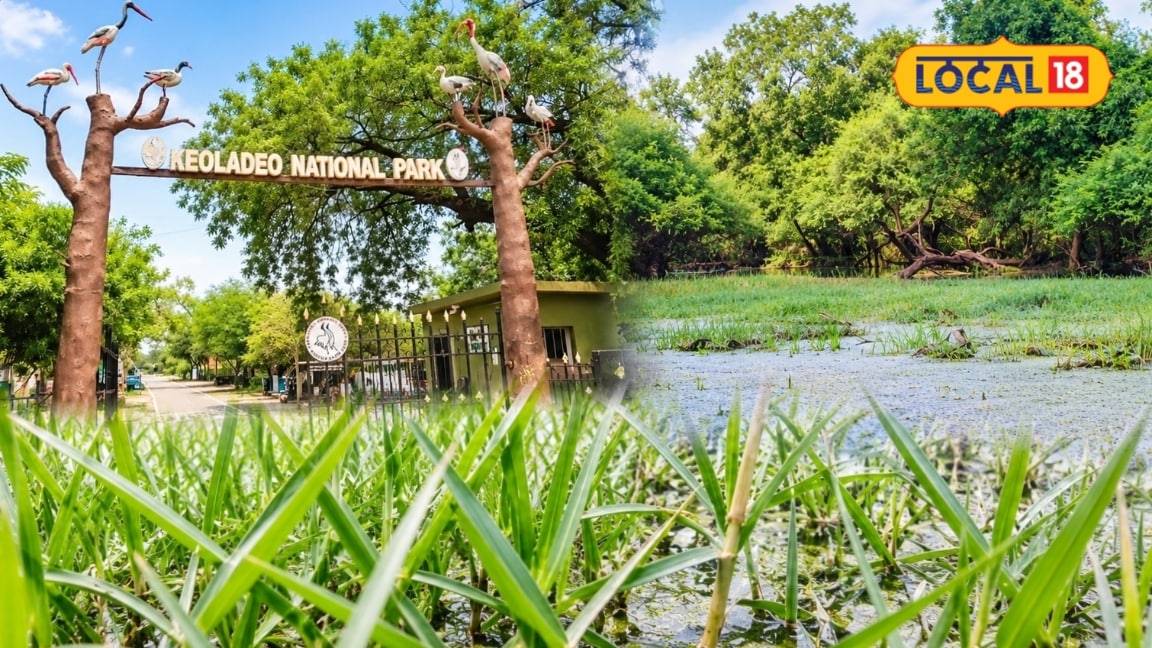
During the biting cold of the winter season, the internationally acclaimed Keoladeo National Park situated in Bharatpur transforms into a vibrant sanctuary for avian life. Thousands of migratory birds undertake arduous journeys across continents to reach the safety and hospitable wetland environment of this renowned park. The arrival of these international feathered guests marks a significant annual ecological event, drawing ornithologists, nature enthusiasts, and tourists from diverse geographical locations to witness the breathtaking natural spectacle.
At the heart of this seasonal migration is a unique ecological bond between the visiting fauna and the specific aquatic habitat maintained within the park boundaries. While the geographical expanse provides a secure resting ground away from freezing northern territories, the native wetland flora provides the critical sustenance required by these long-distance flyers. The historical preservation of this habitat has successfully maintained the delicate balance necessary to support complex migratory patterns year after year.
Among the primary ecological features of the protected water bodies, a rare aquatic vegetation locally identified as Aicha grass stands out as the ultimate culinary magnet for the avian visitors. This specialized vegetation grows naturally within the shallow lakes and marshlands of Keoladeo National Park, possessing nutritional qualities that perfectly match the dietary requirements of the incoming species. The abundant availability of Aicha grass ensures that the birds successfully regain their physical stamina after enduring exhausting transcontinental flights.
Wildlife experts, environmental scientists, and park management authorities frequently emphasize the irreplaceable value of this indigenous flora in sustaining the local biodiversity. According to observational studies conducted within the reserve, the nutritional profile and palatability of Aicha grass make it the undisputed favorite among varied waterfowl and waders. Without the consistent proliferation of this vital resource, the ecological attractiveness of the park for high-altitude migrants would face severe sustainability challenges.
The profound ecological presence of Keoladeo National Park extends its influence well beyond immediate boundaries, creating a profound environmental and cultural resonance across adjacent districts including Kotputli-Behror. The thriving biodiversity inside the sanctuary serves as a regional benchmark for wetland conservation and wildlife protection, inspiring local communities to appreciate the interconnectedness of natural water bodies and migratory pathways. Regional awareness programs frequently highlight how healthy wetland ecosystems benefit the wider geographical zone.
Administrative oversight and dedicated conservation strategies implemented by forest authorities ensure that the delicate aquatic environment, including the growth cycles of Aicha grass, remains free from anthropogenic disruption. Continuous ecological monitoring allows officials to maintain optimal water levels and prevent invasive species from choking out beneficial native vegetation. These rigorous protective measures are vital for sustaining the habitat requirements of species arriving from distant northern realms.
Looking toward the future, conservation custodians and wildlife management committees remain committed to preserving the pristine ecological integrity of the protected lakes. Plans for ongoing habitat enhancement, scientific water management, and rigorous anti-poaching enforcement are continuously updated to safeguard the future of the sanctuary. Through these persistent administrative efforts, Keoladeo National Park will undoubtedly continue to welcome waves of migratory birds drawn by the incomparable allure of Aicha grass for generations to come.
