
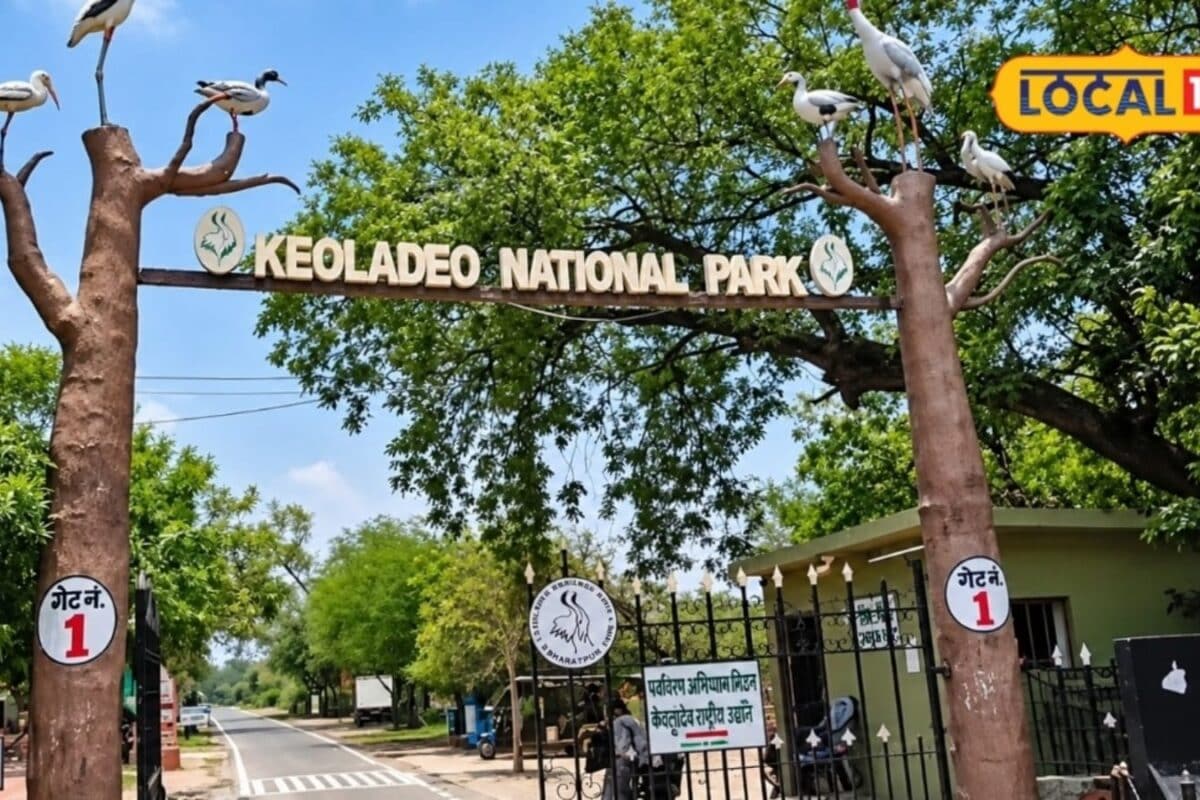
Keoladeo National Park in Bharatpur, traditionally known as Ghana, has established itself as an extraordinary global benchmark for wildlife preservation and ecological conservation within a strictly limited geographical footprint. Spanning approximately 28.73 square kilometers, this prestigious national park represents a meticulously balanced ecosystem where diverse forms of flora and fauna thrive harmoniously. The landscape is characterized by an intricate network of wetlands, expansive grasslands, dense shrublands, and diverse vegetation, creating customized natural habitats that cater comprehensively to the biological needs of numerous species.
Historically, the origin and evolution of Keoladeo National Park are deeply intertwined with the region's rich environmental heritage, transforming from a natural depression into a world-renowned waterfowl habitat. Over the decades, systematic ecological management and dedicated conservation strategies have cemented its reputation as a crucial sanctuary. The park is fundamentally recognized for its ability to sustain a magnificent biological spectrum that extends far beyond avian species, encompassing complex webs of reptiles, fish populations, intricate insect colonies, and diverse botanical varieties that together constitute a resilient natural world.
Examining the ground reality and physical metrics of the region, the 28.73 square kilometers of protected terrain witness vibrant ecological activity throughout the changing seasons. The mosaic of shallow water pools, terrestrial zones, and submerged forests supports high population densities of both indigenous wildlife and seasonal visitors. Researchers and field biologists continuously monitor these micro-habitats to measure water quality, vegetation density, and wildlife health, ensuring that the ecological carrying capacity of the 28.73 square kilometers is rigorously maintained without degradation or over-exploitation.
Stakeholders, including environmental scientists, ornithologists, and local conservationists, consistently voice profound appreciation for the intricate ecological web maintained within the park boundaries. Experts note that during the harsh winter months, the arrival of countless migratory birds from distant parts of the globe elevates the significance of Keoladeo National Park to international prominence. These avian guests, alongside resident fauna, transform the sanctuary into a living laboratory for researchers and a breathtaking destination for nature enthusiasts who travel from far and wide to witness the spectacle.
The broader regional impact of preserving such a critical biodiversity hotspot extends significantly across surrounding districts, reinforcing the ecological stability and water table security of the entire landscape. While the park is geographically anchored in Bharatpur, its status as a premier conservation model inspires educational institutions, eco-tourism networks, and regional development planners. Communities adjacent to the protected zone increasingly recognize the economic and environmental dividends yielded by maintaining a healthy, functioning ecosystem in their immediate vicinity.
Administrative oversight and institutional measures implemented by forestry and wildlife authorities focus heavily on mitigating contemporary environmental threats. In an era marked by accelerating climate change, unpredictable temperature fluctuations, shifting precipitation patterns, and fluctuating water availability, proactive management has become imperative. Authorities deploy advanced monitoring frameworks, water conservation techniques, and strict regulatory protocols to safeguard the fragile habitats within the 28.73 square kilometers against external ecological pressures and anthropogenic disruptions.
Looking toward the forward outlook, the sustained preservation of Keoladeo National Park demands unwavering vigilance, robust community engagement, and adaptive management strategies. As meteorological uncertainties continue to challenge natural reserves worldwide, the administrative framework governing Ghana is committed to enhancing water security and habitat resilience. Through continuous scientific research, strict habitat protection, and international cooperation, the stakeholders remain dedicated to ensuring that this magnificent sanctuary endures as an uncompromised pillar of environmental balance and biodiversity conservation for generations to come.