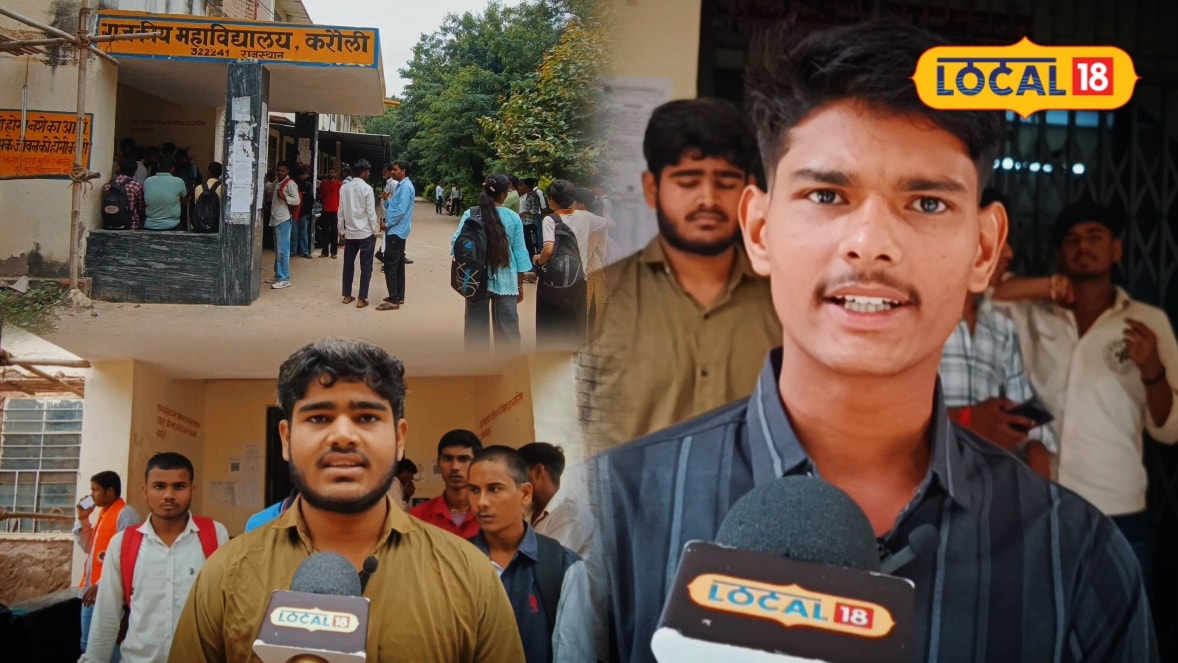
A severe wave of resentment and protest gripped the Government College in Karauli today as students locked the main gates in vehement opposition to an arbitrary administrative decision. The crisis unfolded when the authorized intake capacity for the National Cadet Corps (NCC) was abruptly slashed from 80 to 40 seats, directly impacting dozens of young aspirants. The unexpected reduction has shattered the long-cherished dreams of dedicated students who aspired to serve the nation through military and disciplined channels, leading to complete disruption of normal academic and administrative functioning at the campus.
The genesis of this controversy lies in a selection process that was conducted meticulously over a month ago. Initially, 80 candidates had successfully cleared a rigorous multi-tier evaluation system comprising physical endurance tests, written examinations, medical fitness screenings, and formal personal interviews. Believing their selection to be absolute, these candidates enthusiastically engaged themselves in institutional activities, looking forward to a structured journey of character building, leadership development, and patriotic service under the banner of the National Cadet Corps.
Following their selection, the affected 80 students underwent intensive training for 10 days, rigorously preparing themselves for institutional drills and national commemorations. The pinnacle of their initial journey was their proud participation in the prestigious 15 August Independence Day parade, where they marched in formation before the local community and dignitaries. The emotional and psychological investment made by these young individuals during this intensive training phase makes their subsequent disqualification a deeply distressing development for the entire student community.
The immediate crisis materialized when official directives issued by the Kota Battalion mandated the downsizing of the battalion unit, ordering the removal of 40 students from the officially recognized roster. This sudden administrative rollback left half of the selected cadets out in the cold, invalidating their weeks of hard work and dedication. The students argued that executing such a drastic cut after conducting selections and initial training constitutes a grave injustice, abruptly terminating pathways to disciplined public service without prior warning or adequate justification.
The repercussions of this sudden exclusion extend far beyond the immediate boundaries of the college campus, resonating deeply throughout the region. Youth development programs and disciplined youth organizations serve as vital pillars for community engagement and career pathways in the district. When institutional decisions abruptly reverse promising opportunities for local youth, it creates widespread disillusionment, undermining faith in administrative transparency and institutional planning among families who heavily invest in their children's futures.
In response to the escalating unrest, the local college administration has intervened, acknowledging the gravity of the situation and the genuine grievances raised by the protesting students. College authorities have initiated formal dialogues with higher administrative offices and the concerned battalion command, forcefully advocating for the immediate restoration of the original 80 seats. The institutional leadership maintains that penalizing deserving candidates after they have already proven their merit and participated in national day parades is entirely untenable.
Looking ahead, the resolution of this standoff depends entirely on the administrative flexibility and responsiveness of the higher military and educational authorities. While the college administration presses for a positive resolution to reinstate the ousted cadets, the students remain resolute in their peaceful agitation until their rightful positions are restored. The outcome of these high-level discussions will determine not only the immediate fate of these 40 young aspirants but also set a crucial precedent for institutional accountability in youth training programs.