
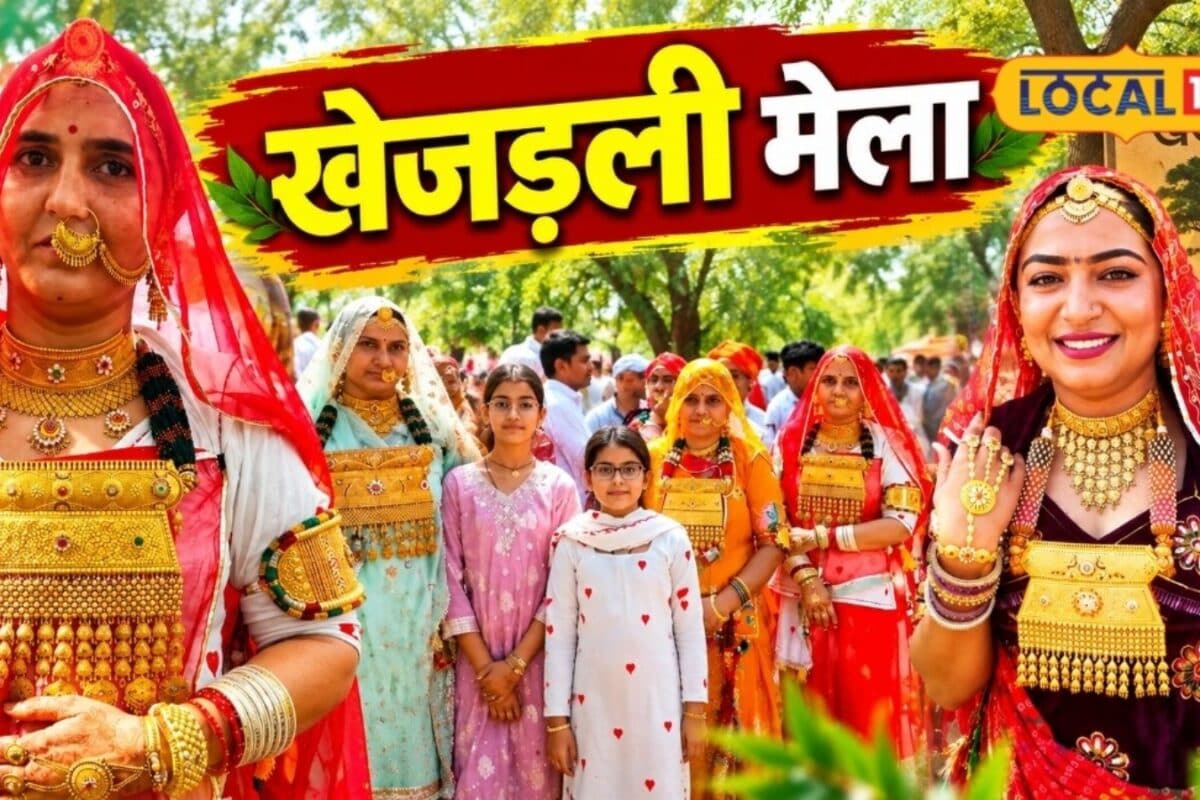
The historical village of Khedjali in Jodhpur district recently echoed with fervent chants and profound reverence as thousands gathered for the annual martyrdom fair. This grand cultural and historical congregation was organized to pay homage to the 363 brave martyrs who made the ultimate sacrifice nearly three centuries ago. The atmosphere at the venue blended solemn remembrance of environmental protection with vibrant traditional pageantry, drawing participants from across the region to honor an unparalleled legacy of ecological conservation.
The roots of this profound observance extend deeply into the annals of history, originating 296 years ago when members of the local community fiercely defended the sacred Khejri trees with their lives. Historical records and local traditions dictate that these 363 individuals willingly embraced death to prevent the felling of trees that sustained their ecosystem and spiritual beliefs. This supreme act of sacrifice remains one of the earliest and most monumental recorded instances of grassroots environmental activism and forest preservation in human history.
A striking and widely discussed highlight of the recent fair was the remarkable display of traditional wealth and cultural pride by local women. Participants arrived at the sacred site adorned in gold and silver jewelry collectively valued at over one crore rupees. This dazzling showcase underscored not only the economic prosperity and cultural continuity within the community but also the deep-seated reverence families hold for the annual commemoration, treating the martyrdom fair as a paramount occasion for familial and social pride.
Stakeholders, community elders, and local leaders who addressed the gathering emphasized the timeless relevance of the 363 martyrs' sacrifice in contemporary ecological discourse. Discussions at the fairgrounds revolved around the urgent need to propagate environmental consciousness among the younger generations, drawing a direct line between the historical defense of Khejri trees and modern climate challenges. Merchants, artisans, and community representatives noted that the fair serves as a vital economic and social nexus for the entire district.
While the primary focal point of the gathering remains deeply rooted in Jodhpur, the resonance of the Khedjali martyrdom extends far beyond regional boundaries, inspiring communities across neighboring areas including Kotputli-Behror. The cultural ethos of prioritizing ecological preservation over personal survival resonates deeply throughout Rajasthan, shaping regional identity and community values. Local observers from surrounding districts frequently travel to Jodhpur to participate in and learn from the meticulous traditions maintained during this annual observance.
Administrative authorities and local panchayat representatives collaborated closely to ensure the smooth conduct of the massive gathering, deploying necessary security, crowd management, and civic amenities. Given the immense concentration of valuable ornaments worn by attendees and the sheer volume of visitors, local law enforcement maintained a vigilant presence throughout the duration of the fair. Official measures were successfully implemented to guarantee public safety while allowing the cultural and religious festivities to proceed without interruption.
Looking toward the future, community leaders and cultural preservation committees have outlined ambitious plans to expand educational outreach regarding the 363 martyrs for upcoming generations. Preparations are already underway to enhance infrastructure around the memorial site to accommodate the steadily growing number of pilgrims and tourists attending the annual event. As the memory of the 296-year-old sacrifice continues to inspire reverence, the Khedjali martyrdom fair remains an enduring symbol of ecological bravery and cultural resilience.