
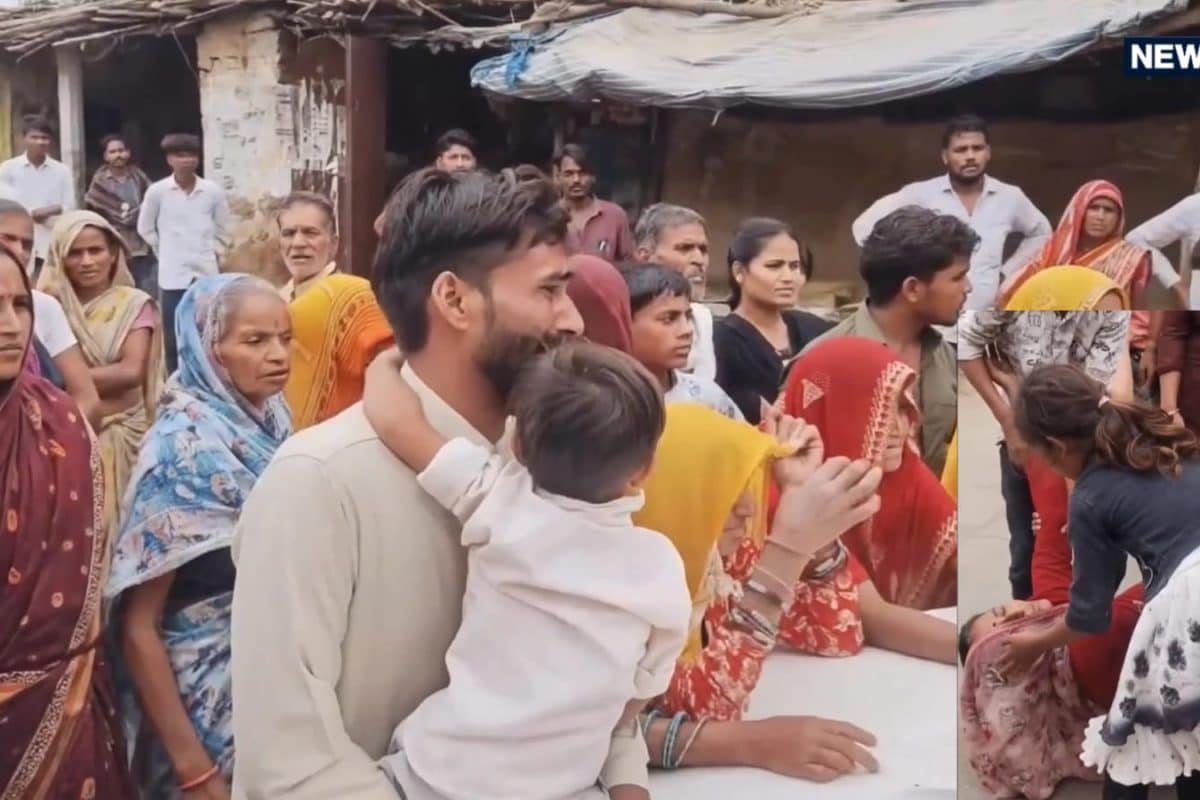
In an astonishing turn of events within the ongoing rural electoral calendar of Rajasthan, a high-profile oversight has gripped the political landscape of Jhalawar district. During the heat of the current Panchayat elections, a prospective mayoral candidate found her political ambitions abruptly cut short not by a rival politician or an adverse ballot count, but by a fundamental administrative omission. The candidate, Manbhar Bai, representing the electoral aspirations of Sumer Gram Panchayat, became so thoroughly immersed in the grueling physical demands of aggressive grassroots campaigning that she completely failed to execute the single most critical legal requirement for contesting an election: submitting her official nomination papers.
The electoral framework governing local self-government institutions in Rajasthan dictates a rigorous, time-bound protocol designed to ensure absolute transparency and statutory compliance. Prospective candidates must formally file their nomination papers before a designated returning officer within a strictly monitored timeframe. Following this mandatory submission, election authorities conduct exhaustive scrutinies of these documents to verify eligibility, credentials, and compliance with statutory parameters before eventually publishing the final list of verified contenders. For Manbhar Bai, the ambition to serve her community at the helm of Sumer Gram Panchayat was palpable, yet the intricate mechanics of election law required more than mere local popularity.
According to eyewitness accounts and local political observers within Jhalawar district, the days leading up to the administrative deadline were characterized by intense activity. Manbhar Bai and her dedicated supporters established a rigorous daily itinerary, traversing narrow lanes and dusty village paths to meet voters directly. This traditional door-to-door campaign strategy was executed with unwavering enthusiasm, as she sought to consolidate her voter base and project herself as the most viable leader for Sumer Gram Panchayat. The visual imagery of her campaign—marked by enthusiastic gatherings, public appeals, and the relentless pursuit of community endorsement—created an aura of imminent electoral success.
However, this intense concentration on external outreach created a massive blind spot regarding the internal bureaucratic machinery of the election commission. While political rallies and public meetings were being aggressively prioritized, the indispensable task of completing the paperwork was pushed entirely into the background. In the electoral arena, enthusiasm and community goodwill, while necessary for victory, cannot substitute for the formal legal documentation mandated by the state election authorities. By the time the realization of the administrative deadline dawned upon the campaign team, the official clock had already run out, effectively sealing her fate and halting her political ambitions in their tracks.
The repercussions of this unusual administrative failure extend far beyond the immediate disappointment faced by Manbhar Bai and her supporters in Sumer Gram Panchayat. Within Jhalawar district, the incident has triggered widespread discussions regarding the necessity of pairing grassroots political strategies with meticulous legal and administrative preparedness. Local analysts and community elders point out that contesting local government elections involves navigating a complex web of regulatory frameworks, where missing a single administrative deadline nullifies months of painstaking groundwork. The administrative apparatus relies heavily on strict adherence to schedules, leaving zero margin for human error or emotional oversight during high-pressure election cycles.
As the election machinery in Jhalawar district continues to advance toward the subsequent phases of polling and verification, the local election office maintains its focus on upholding statutory timelines without exception. The oversight involving Sumer Gram Panchayat highlights the critical role played by returning officers and election monitors in enforcing strict compliance rules, ensuring that the electoral process remains orderly, predictable, and legally sound. Administrative guidelines are uniformly applied across all jurisdictions, and any failure to meet foundational requirements results in immediate disqualification, regardless of a candidate's local stature or public visibility.
Ultimately, the episode in Jhalawar district stands out as a monumental cautionary tale for future candidates participating in grassroots democracy. It underscores the vital balance that every aspiring public servant must maintain between engaging directly with the electorate and fulfilling rigid bureaucratic obligations. For Sumer Gram Panchayat, the electoral landscape has shifted dramatically, leaving the local political contest open to other contenders who successfully navigated both the campaign trail and the administrative paperwork. The incident will long be remembered across Jhalawar as a stark reminder that in the theater of democracy, following the rulebook is just as important as winning the hearts of the voters.
