
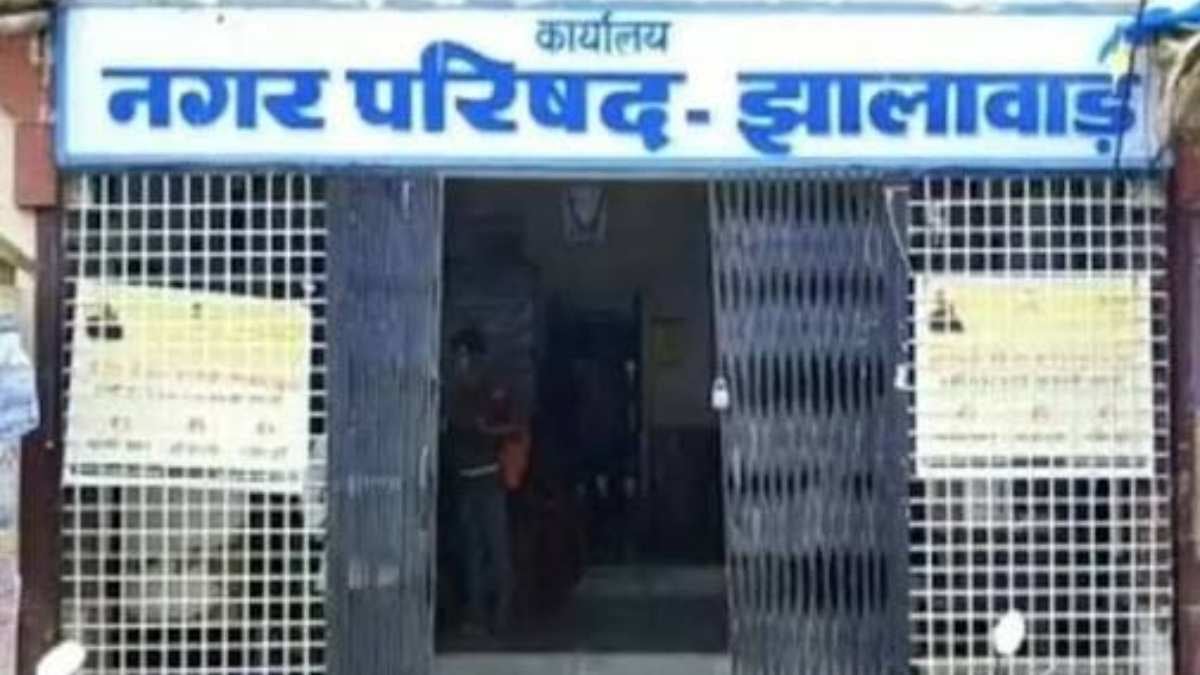
Political activities in Jhalawar reached a significant milestone on Wednesday as the administration officially received three prominent nominations for the highly coveted post of Chairperson within the Jhalawar Municipal Council. The electoral contest has officially transitioned into its most critical phase, drawing immense attention from regional leaders, local residents, and political analysts across the entire district. As the administrative machinery oversees the rigorous verification processes, all eyes remain fixed on the upcoming electoral dynamics that will ultimately determine who assumes leadership of the civic body.
The current municipal composition traces its roots to the recently concluded local body elections, which witnessed intense grassroots campaigning across the urban pockets of Jhalawar. Local governance structures hold profound significance for urban development, sanitation management, and infrastructural enhancement within the municipality. The historical voting patterns and civic engagement observed during the ward elections set a formidable baseline for the current administrative transition, establishing a clear mandate from the urban electorate that now culminates in the election of the chairperson.
A rigorous examination of the electoral outcome reveals distinct numerical realities that heavily influence the ongoing contest. Out of the total 43 wards that constituted the electoral battleground, the Congress party demonstrated remarkable electoral dominance by securing a decisive victory in 29 wards. Conversely, the Bharatiya Janata Party managed to win 13 wards, establishing a notable opposition presence within the municipal chamber. These precise statistical metrics create a complex arithmetic framework for the mayoral election, dictating the strategic calculations of both major political formations.
The broader implications of this municipal showdown extend far beyond the immediate confines of the Jhalawar municipal offices, resonating deeply throughout the surrounding regional framework. Effective urban administration directly impacts local commerce, public service delivery, community welfare programs, and infrastructural modernization projects that govern daily life in the region. Local traders, community leaders, and working-class citizens are closely monitoring these political developments, recognizing that the incoming chairperson will wield substantial influence over developmental budgets and civic policy implementation.
To ensure absolute transparency and adherence to statutory regulations, local administrative authorities have instituted comprehensive protocols for the handling of the nomination papers and the subsequent voting procedures. Election officials are strictly monitoring every stage of the electoral timeline, ensuring that all legal parameters, code of conduct guidelines, and procedural formalities are impeccably fulfilled. This robust oversight guarantees that the democratic process unfolds in a peaceful, orderly, and unbiased environment befitting a premier civic institution.
Looking ahead, the political horizon in Jhalawar remains charged with anticipation as the timeline progresses toward the final voting and result announcement. The interplay between the Congress party's numerical strength and the determined challenge mounted by the Bharatiya Janata Party guarantees a compelling political spectacle in the days to come. As councillors prepare to cast their decisive ballots, the entire community awaits the emergence of a new civic leader who will steer the municipal council toward its future developmental milestones.