
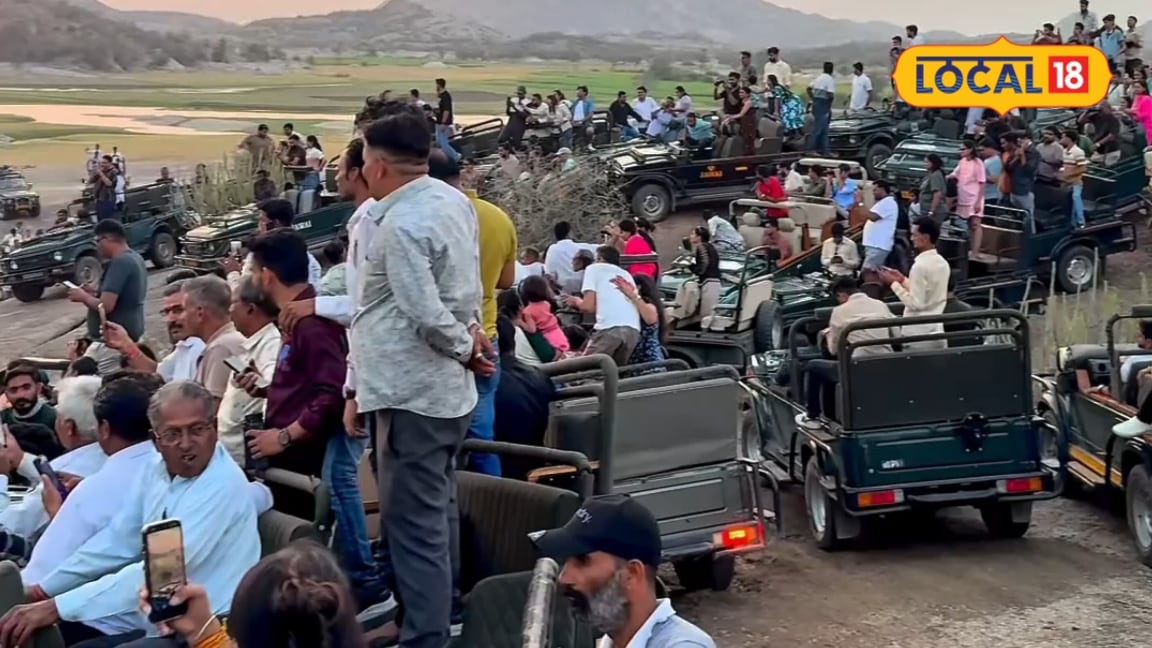
During the recent Diwali holidays, the wildlife enclave of Jawai in Palai has witnessed an unprecedented surge in visitors, drawing tourists from Gujarat, Maharashtra, Punjab and Haryana who come to experience the region’s renowned leopard and hill safaris. This influx has positioned Jawai as a prominent destination on the national tourism map.
Historically, Jawai was a modest forested area, largely overlooked by mainstream tourism. Over the past decade, concerted efforts by local authorities and conservation groups have promoted the region’s unique biodiversity, turning it into a sought-after safari spot. The Diwali season, traditionally a peak period for travel, amplified this trend.
While specific visitor counts for the holiday period are not publicly disclosed, reports indicate a significant rise in tourist footfall from the four mentioned states. The increased patronage has translated into higher revenue for local businesses, including guides, transport operators and hospitality providers, thereby injecting fresh capital into the community.
Stakeholder perspectives have been largely positive, though no direct quotations are available in the current report. Local guides express satisfaction with the growing demand for their services, and community members note the benefits of increased employment opportunities. Conversely, conservationists emphasize the need for balanced tourism to protect the leopard population.
For the Kotputli-Behror district, the tourism boom has stimulated ancillary sectors such as agriculture, retail and cultural events. The influx of visitors has also prompted the development of new infrastructure, including improved roads and visitor centres, which are expected to have long‑term benefits for residents.
In response, district officials have implemented stricter wildlife protection protocols, increased patrols, and introduced visitor education programmes to ensure sustainable tourism practices. These measures aim to safeguard the leopard habitat while maintaining the economic gains derived from tourism.
Looking ahead, authorities plan to extend safari operating hours, introduce guided night tours, and collaborate with state tourism boards to promote Jawai on international platforms. The expectation is that, with continued investment in conservation and infrastructure, Jawai will solidify its status as a premier wildlife destination for years to come.
