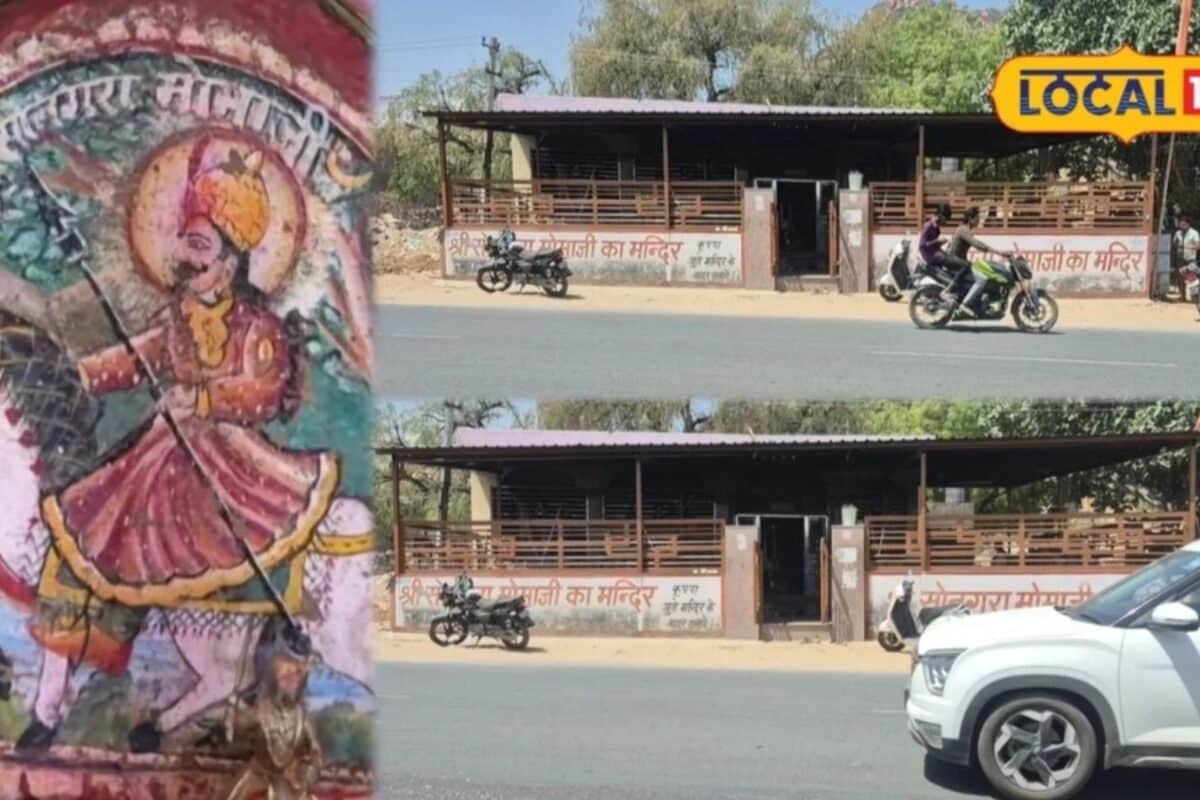
In the expansive and culturally rich landscape of Jalore, a fascinating and deeply revered tradition continues to command the unwavering attention of every traveler passing through a specific stretch of road. At the revered shrine of the revered folk deity Mamaji, an unwritten rule dictates that every single passing vehicle must sound its horn. This distinct practice has transformed an ordinary thoroughfare into a site of profound spiritual and cultural significance, where modern transportation intersects seamlessly with ancient folklore.
The historical roots of this unique tradition trace back centuries, entwined inextricably with the legacy of the valiant monarch Veer Viramdev. According to historical lore and regional accounts, Veer Viramdev fought heroically in his final and decisive battle, displaying extraordinary valor before attaining martyrdom. Local tradition dictates that his torso fell precisely at the location where the Mamaji temple now stands, bestowing a sacred and formidable aura upon the ground that persists to the present day.
Examining the ground reality of this location reveals a daily ritual practiced universally by transport operators, private car owners, and commercial truck drivers alike. As vehicles approach the sacred precincts of the Mamaji temple, drivers instinctively reach for their horns, producing a chorus of sound that echoes across the landscape. This logistical and behavioral phenomenon is observed meticulously around the clock, transcending modern skepticism and binding diverse commuters in a shared cultural obligation.
Community members, local residents, and frequent travelers express a profound sense of awe and apprehension regarding the consequences of failing to observe this custom. According to widespread traditional belief, neglecting to sound the horn while passing the Mamaji temple invites unseen spiritual displeasure, potentially culminating in unfortunate mishaps, vehicular breakdowns, or severe accidents. Elders and local custodians emphasize that this simple auditory gesture serves as a mark of supreme respect to the divine guardian.
The cultural resonance of this tradition extends far beyond immediate local commutes, influencing the psychological well-being and driving habits of individuals navigating the Jalore region. Commercial transporters and regular commuters view the ritual not as a mere superstition, but as an essential psychological reassurance that instills confidence and mindfulness on potentially hazardous stretches of road, thereby reinforcing community solidarity through shared heritage.
While modern infrastructure development and traffic management typically discourage unnecessary horn blowing to mitigate noise pollution, civil authorities and transport departments maintain a respectful tacit understanding regarding the Mamaji temple. Recognizing the deeply held religious sentiments and the cultural fabric associated with Veer Viramdev, local authorities have refrained from imposing strict silence zone regulations directly over this specific section, allowing the traditional practice to coexist with contemporary transit.
Looking forward, the enduring legacy of the Mamaji temple in Jalore continues to captivate anthropologists, historians, and travelers alike, serving as a living testament to how ancestral memory shapes modern behavior. As generations change, the collective commitment to honoring Veer Viramdev through this distinct auditory ritual remains steadfast, ensuring that the historical valor and spiritual guardianship associated with the site will endure for decades to come.