
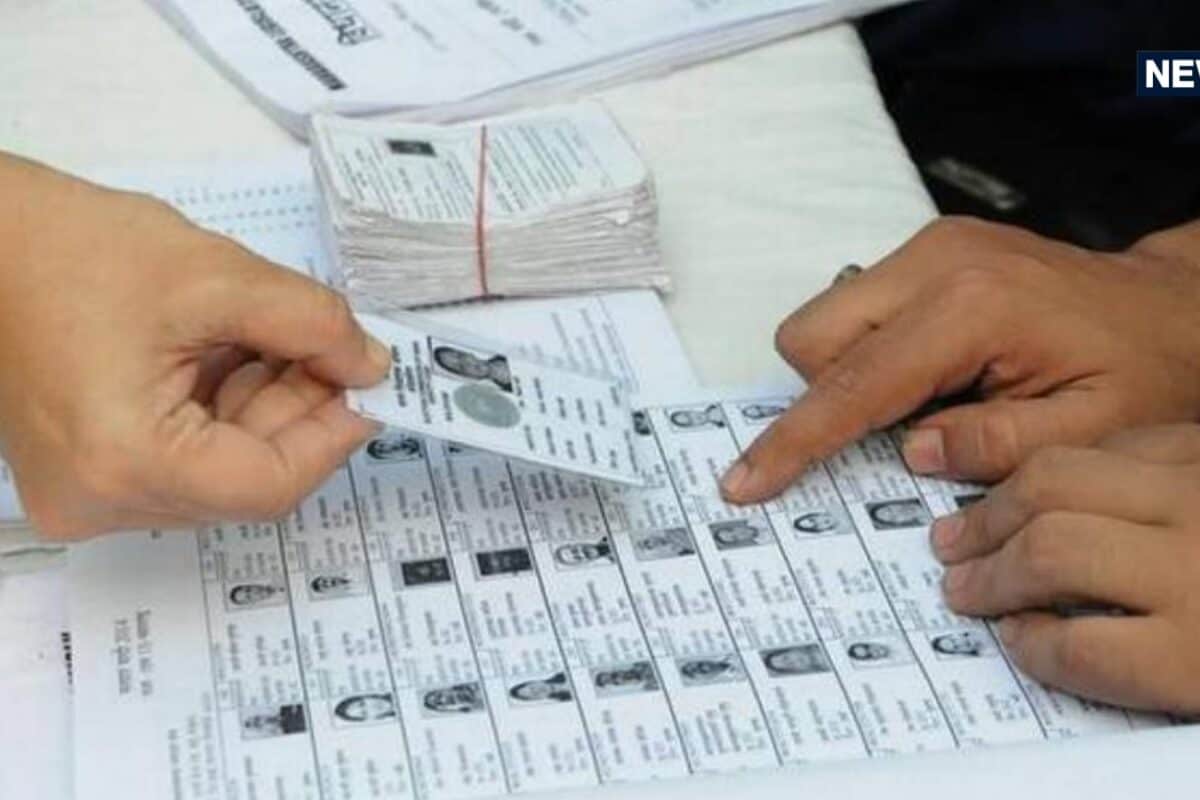
This policy shift stems from a long‑standing debate over the exclusivity of the voter ID card in Indian elections. Historically, the Election Commission of India mandated the voter ID as the sole proof of identity for casting a vote, a rule that has occasionally led to disenfranchisement of citizens who misplaced or never received the card. Legal challenges and civil‑society advocacy over the past decade have pressured authorities to broaden the spectrum of acceptable documents, culminating in the present inclusive framework.
The eleven documents now deemed valid are: Aadhaar card, Voter‑ID (Voter‑ID for those who already possess it), bank or post‑office photo passbook, health‑insurance smart card or Ayushman Bharat health card, driving licence, PAN card, Indian passport, photo‑pension document, government or public‑sector service ID, identification issued to Members of Parliament and state legislators, and the UDI (Unique Document Identification) card. Each document must bear a clear photograph and be an original copy, not a photocopy or digital printout. Moreover, the issuance date must precede the date on which the local‑body election’s public notice was released, ensuring that newly‑created documents cannot be fabricated solely for electoral purposes.
Although the directive originates from Jaipur, its ripple effects are felt in the neighbouring Kotputli‑Behror district, where a significant number of residents travel to the capital for work, education and medical services. Residents of Kotputli who own any of the approved documents can now comfortably vote in Jaipur’s municipal polls without fearing rejection at the booth. This is expected to boost voter turnout from the district’s diaspora, potentially influencing the overall electoral dynamics, especially in wards bordering the district’s limits where demographic composition is mixed.
To operationalise the new rule, the election machinery has launched a multi‑pronged awareness campaign. Information pamphlets in Hindi and English are being distributed at community centres, banks and post offices. Training sessions for poll officials focus on recognising each of the eleven document types, detecting forgeries, and handling queries from voters. Additionally, a helpline staffed by senior election officers has been set up to answer real‑time concerns about document eligibility.
Looking ahead, the first phase of voting is scheduled for 10 October, with subsequent phases to follow in a staggered manner. Officials anticipate a smoother voter flow, reduced queues, and higher participation rates, particularly among marginalized groups. Continuous monitoring will be undertaken to assess the efficacy of the expanded ID list, and a post‑election review is planned to determine whether the approach should become a permanent feature of municipal elections across Rajasthan.