
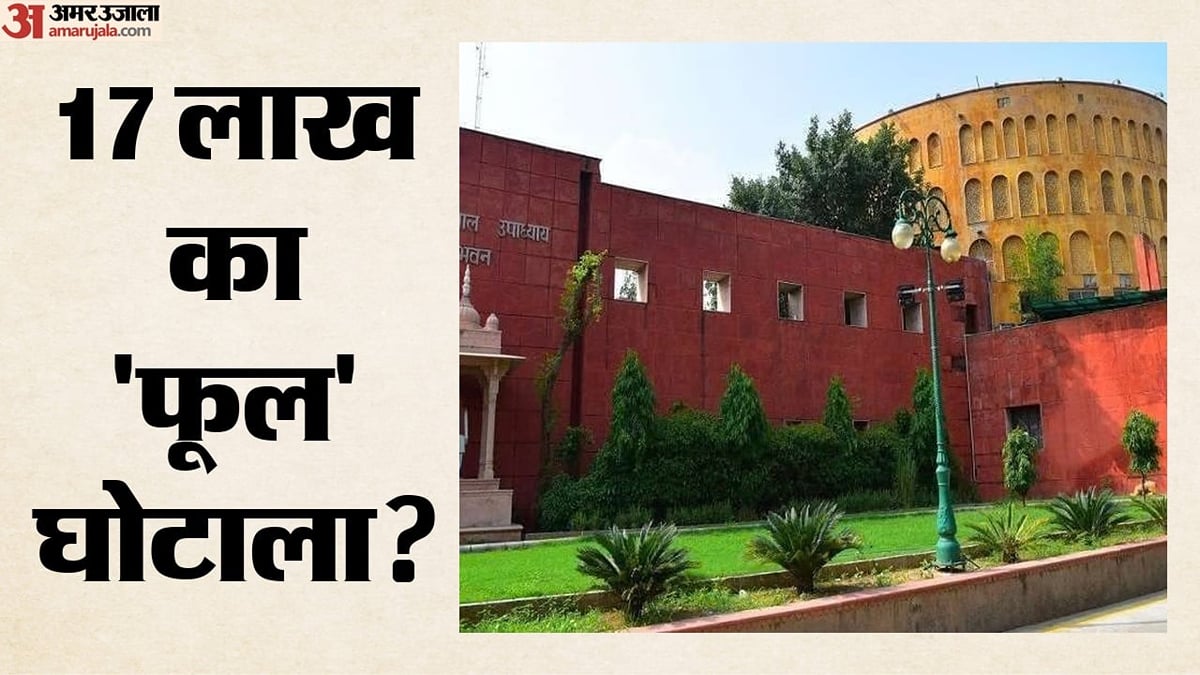
In a development highlighting administrative oversight and public expenditure practices, a major procurement controversy has surfaced within the Jaipur Municipal Corporation. Departmental records indicate that the corporation's horticulture branch disbursed over 17 lakh rupees across an eight-month period solely for the procurement of floral garlands. The entire series of orders was placed with a single private firm to cater to 35 official events, raising serious concerns regarding competitive bidding standards and financial propriety within the civic body.
The horticulture branch of the Jaipur Municipal Corporation is primarily responsible for maintaining municipal parks, managing urban green spaces, and coordinating official arrangements for civic ceremonies in the state capital. Under standard financial regulations governing local bodies, public procurements must adhere to established tendering thresholds, transparent price discovery, and equitable vendor participation. However, the concentration of substantial floral purchases within a compressed timeframe has drawn significant attention to the internal checks and balances operating within the branch.
A closer examination of the financial figures underscores the scale of the reported expenditure over the eight-month timeframe. Across 35 separate municipal functions hosted in Jaipur, the aggregate billing for decorative garlands exceeded 17 lakh rupees. The recurring allocation of these purchase orders to one specific commercial entity, without apparent vendor diversification or competitive rotation, has raised critical questions among financial observers regarding administrative compliance and expenditure management.
Civic commentators, taxpayers, and administrative analysts have expressed concern regarding the alignment of such ceremonial costs with public interest priorities. Representatives from local resident groups noted that revenue collected through civic taxes ought to be prioritized for essential urban infrastructure, road repair, and sanitation services. Stakeholders are emphasizing the necessity of rigorous independent audits to ascertain whether prevailing procurement guidelines were rigorously followed by the issuing authorities.
The broader implications of this expenditure debate extend beyond the capital city, serving as a cautionary administrative benchmark for neighboring regions such as the Kotputli-Behror district. Municipal boards and local administrative bodies across northern Rajasthan frequently mirror the operational frameworks of the Jaipur Municipal Corporation. Consequently, irregularities in capital procurement highlight the urgent need for standardized e-tendering practices and strict fiscal monitoring across all regional administrative tiers.
From an administrative standpoint, standard governance protocols mandate that internal auditing teams and financial controllers review all related vouchers, sanction notes, and requisition registers. Official investigations typically assess whether emergency purchasing powers were improperly invoked or if orders were split to circumvent higher-level administrative approvals. Institutional oversight will determine the authorization chain responsible for clearing the payments totaling 17 lakh rupees to the vendor.
As public scrutiny intensifies surrounding the horticulture branch's procurement decisions, civic authorities face increasing pressure to enforce corrective administrative measures. Future policy frameworks are expected to introduce capped limits on ceremonial expenditures and require mandatory open tendering for institutional supplies. The eventual findings of the departmental review will play a pivotal role in restoring public confidence and reinforcing fiscal discipline across municipal operations.
