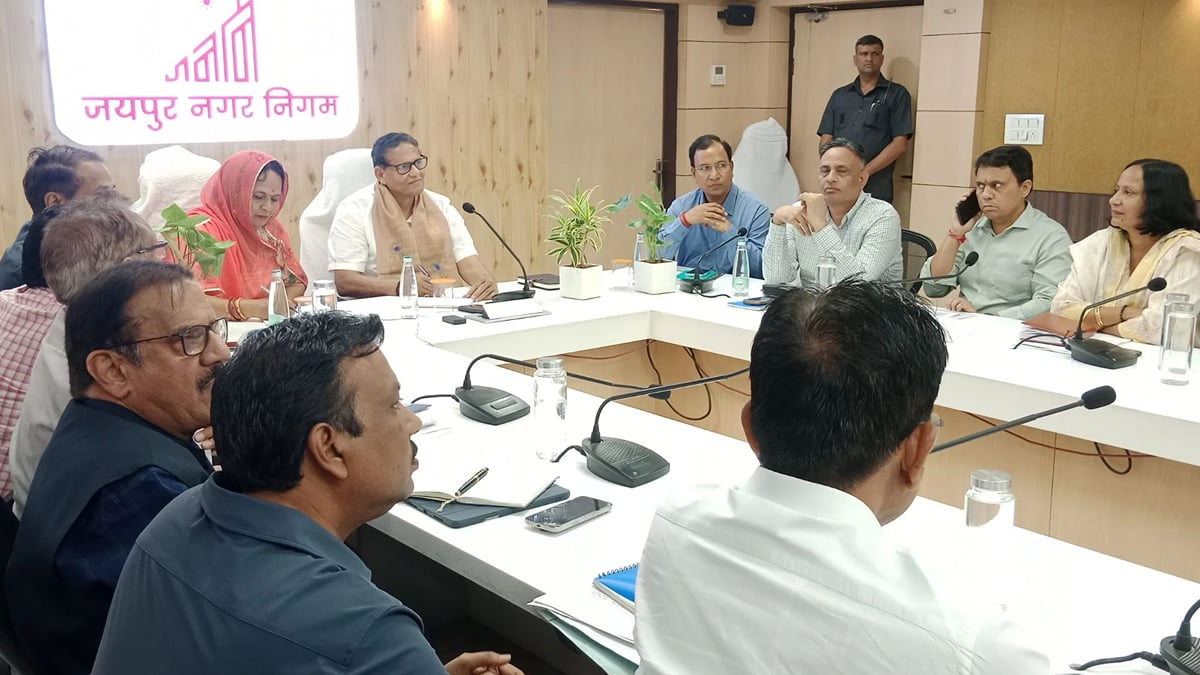
In a significant administrative development within the capital of Rajasthan, Jaipur Municipal Corporation Mayor Sunil Kothari formally convened his very first marathon review meeting following the assumption of his official responsibilities. This high-level institutional gathering brought together key department heads, administrative functionaries, and municipal officials to critically assess the ongoing developmental projects, routine civic maintenance tasks, and regulatory frameworks operating across the metropolitan area.
The administrative structure of the urban local body has historically faced complex operational hurdles, ranging from resource allocation disparities to departmental delays in public grievance redressal. Recognizing these structural challenges, the mayoral office initiated this exhaustive review to establish greater accountability, optimize municipal workforce deployment, and eliminate procedural redundancies that frequently impede efficient urban governance in the capital city.
A core focus of this intensive institutional evaluation centered on the detailed performance auditing of more than fifteen distinct branches functioning under the umbrella of the Jaipur Municipal Corporation. Each departmental unit was subjected to rigorous scrutiny regarding its financial expenditures, revenue generation capabilities, infrastructural maintenance schedules, and the specific status of pending public applications or developmental proposals currently awaiting bureaucratic clearance.
During the exhaustive proceedings, various department representatives presented comprehensive progress reports outlining their operational achievements and persistent logistical constraints. Municipal authorities deliberated extensively on methods to fortify inter-departmental coordination, ensuring that public works departments, sanitation divisions, revenue collection units, and enforcement directorates operate with synchronized efficiency to better serve the urban populace.
While the primary jurisdiction of the municipal corporation remains centered within the urban boundaries of Jaipur, administrative decisions originating from these high-level reviews hold considerable regional resonance for surrounding districts, including Kotputli-Behror. Enhanced administrative diligence, improved regulatory enforcement, and streamlined urban planning standards at the state capital frequently establish governance benchmarks that influence regional municipal bodies throughout the wider geographical expanse.
In response to the multifaceted administrative challenges highlighted during the departmental assessments, the mayoral leadership outlined a series of strict procedural guidelines aimed at improving civic compliance and institutional transparency. Officials were explicitly directed to expedite pending files, enhance monitoring mechanisms against unauthorized developments, and maintain zero tolerance for administrative apathy or operational inefficiency across all municipal zones.
Looking ahead, the municipal administration has laid out a stringent timeline for subsequent follow-up reviews to measure tangible improvements resulting from this initial marathon meeting. Public stakeholders, urban planners, and local residents maintain cautious optimism that this assertive administrative approach will translate into visible enhancements in urban infrastructure, sanitation standards, and overall civic service delivery across the municipal corporation.