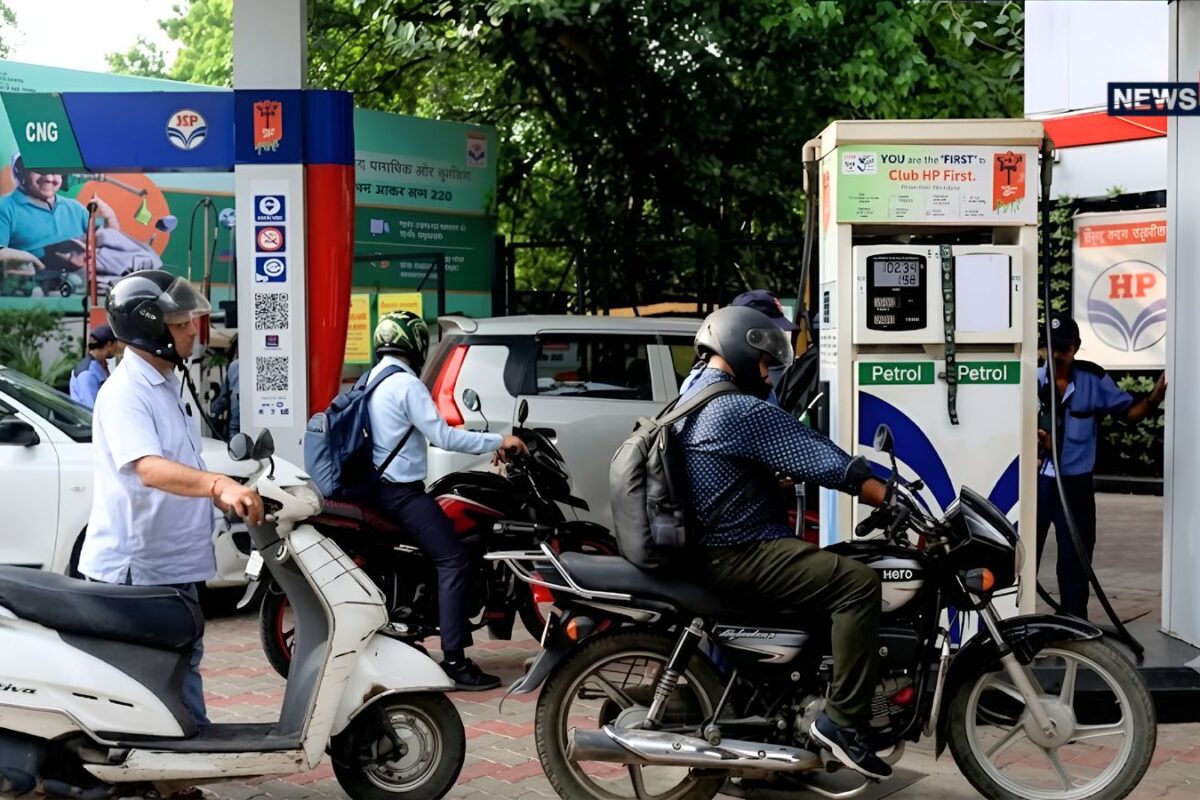
A fresh wave of financial distress has hit consumers and commuters across Jaipur as private sector petroleum companies continue to escalate their retail rates. Following earlier hikes by private fuel networks and Nayara Energy, Geo-BP has implemented a substantial price escalation, raising petrol by 5 rupees and diesel by 3 rupees per liter. This significant upward revision has directly impacted vehicular mobility and household budgets within the region, creating a stark contrast between private pricing strategies and public sector pricing models.
The current pricing trajectory of private fuel retailers reflects broader global and domestic market adjustments, though the timing coincides awkwardly with the ongoing festive season. Historically, private energy providers have exercised pricing autonomy to offset operational costs, logistics expenditures, and inventory fluctuations. However, sudden spikes of this magnitude place immense immediate pressure on everyday motorists, commercial transport operators, and daily commuters who rely heavily on uninterrupted vehicular movement for their livelihood.
A rigorous examination of the ground reality reveals that Geo-BP's revised tariff structure has pushed the retail price of petrol to a lofty 117.65 rupees per liter, while diesel now stands at 100.78 rupees per liter in Jaipur. These specific numbers highlight the widening economic divide between fuels distributed by private entities and those managed by state-owned enterprises. Motorists visiting private pumps are now forced to absorb a considerable financial penalty, prompting many vehicle owners to actively seek out alternative refueling locations.
Stakeholder perspectives across the transport and retail sectors indicate deep frustration regarding the lack of uniform pricing across different fuel brands. Local commuters, commercial taxi drivers, and goods transport operators have voiced strong concerns over the rising cost of operations. While private operators cite supply chain variables and corporate pricing policies, citizens argue that such steep increments during high-demand celebratory periods are exceptionally burdensome, forcing them to re-evaluate their monthly transportation expenses.
The ramifications of these private fuel price hikes extend beyond metropolitan Jaipur, subtly influencing regional commerce across adjacent districts and rural-urban corridors. Transport logistics forming the backbone of local trade are experiencing compressed profit margins as higher diesel rates inflate freight charges. Small businesses and agricultural transporters operating near the periphery of the capital are feeling the secondary economic squeeze, underscoring how metropolitan fuel trends ripple through the entire regional economy.
Administrative oversight and regulatory scrutiny remain focused on how market competition operates within the petroleum sector, even though retail pricing of petrol and diesel is technically deregulated. While direct intervention by local district authorities is legally constrained regarding private corporate pricing, consumer forums and trade associations are closely monitoring the situation. Public advocacy groups continue to urge transparency from private fuel companies to ensure that consumers are not subjected to arbitrary or disproportionate financial burdens.
Looking toward the forward outlook, market analysts predict that retail fuel dynamics will remain volatile as long as private companies decouple their pricing from public sector undertakings. Public sector oil marketing companies have maintained their existing price lines, acting as a crucial stabilizer for the consumer base. As the festive season progresses, motorists in Jaipur are expected to increasingly crowd state-run retail outlets, steering clear of private pumps until market forces or competitive pressures induce a reversal or stabilization of these elevated fuel rates.