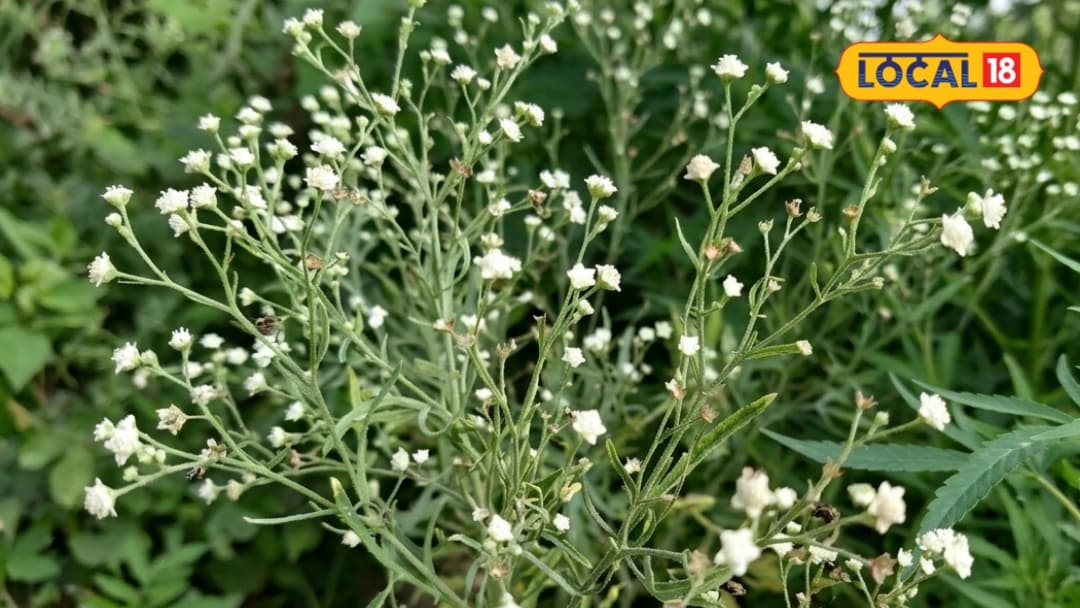
The rapid and aggressive spread of the white-flowered invasive weed commonly known as Gajar Ghas has emerged as a critical environmental and public health crisis across the Sikar region. Agricultural scientists and environmental experts have expressed grave concern over the unchecked proliferation of this aggressive botanical hazard, which is steadily encroaching upon agricultural fields, vacant plots, and residential peripheries. The situation demands immediate attention from both local authorities and the farming community to prevent long-term ecological and economic damage.
Historically originating from America, this resilient weed has adapted aggressively to local agro-climatic conditions, establishing deep roots across various terrains without encountering natural predators. Over the decades, its footprint has expanded dramatically, transforming from a localized nuisance into a pervasive agricultural plague. The lack of adequate initial containment strategies has allowed the weed to colonize extensive tracts of cultivable land, outcompeting native vegetation and severely compromising soil health and moisture retention.
According to comprehensive agricultural assessments, the sheer reproductive capacity of this weed makes it exceptionally dangerous. A single mature plant is capable of producing up to 25,000 seeds, which are easily disseminated by wind, water, and human activity across vast distances. Agricultural authorities note that heavy infestations of this invasive species can drastically suppress agricultural productivity, resulting in a reduction of crop yields by up to 40 percent, thereby inflicting severe financial distress on local farming households.
Medical experts have also highlighted the severe public health hazards associated with prolonged exposure to the plant. Dr. Abhilasha Ranwa has explicitly warned that physical contact with the weed or inhalation of its pollen can trigger severe dermatological disorders, chronic allergies, and respiratory ailments such as asthma. The vulnerability of agricultural workers and children playing near infested areas remains a matter of utmost concern for local healthcare providers and community leaders.
The regional impact of this botanical menace extends deeply into the rural economy and community life, affecting agricultural livelihoods across the wider region including Kotputli-Behror and surrounding districts. Farmers find themselves spending additional resources on manual weeding and crop protection, eroding profit margins during already challenging seasons. The omnipresence of the weed has degraded the aesthetic and sanitary conditions of rural landscapes, impacting daily community activities.
Addressing the crisis requires coordinated administrative intervention and stringent statutory oversight. Agricultural specialists Dinesh Jakhar and Ramchandra Bajia have emphasized that the weed must be systematically eradicated before it reaches the flowering stage. Experts strongly advise citizens to wear protective gloves during removal to prevent skin irritation and allergic reactions, ensuring safe handling of the toxic vegetation.
Looking forward, mitigating the threat necessitates sustained public awareness campaigns and mandatory community participation. Experts and administrators recommend organizing synchronized sanitation drives at the village panchayat level to clear infested zones systematically. Through continuous monitoring, timely community action, and structured administrative support, the region can hope to curtail the destructive spread of Gajar Ghas and safeguard both agricultural output and public health.